Introduction to the Roundup Controversy
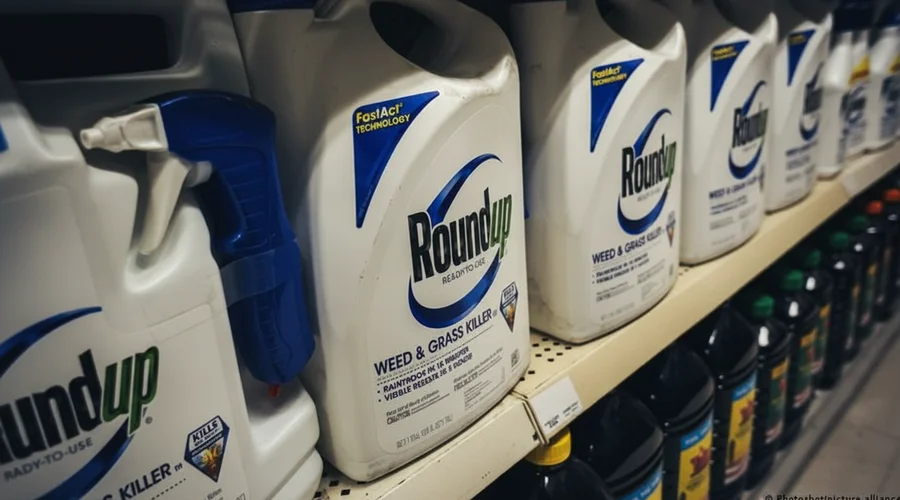
Bayer AG, the German pharmaceutical and life sciences company, has been embroiled in extensive litigation concerning its widely used herbicide, Roundup. The core of these legal disputes revolves around claims that Roundup, specifically its active ingredient glyphosate, causes cancer and that Bayer failed to adequately warn consumers about these alleged risks. This situation has led to thousands of lawsuits across the United States, placing significant financial and reputational pressure on the company since its acquisition of Monsanto, Roundup's original manufacturer, in 2018.
The controversy gained substantial public attention following a 2015 assessment by the International Agency for Research on Cancer (IARC), a branch of the World Health Organization, which classified glyphosate as “probably carcinogenic to humans.” This classification, while not universally accepted by other regulatory bodies, became a cornerstone for many plaintiffs’ arguments in subsequent legal proceedings.
The Landscape of Litigation and Regulatory Perspectives
The legal landscape for Bayer has been characterized by a series of trials, some resulting in multi-million dollar verdicts against the company, and others where Bayer has successfully defended its product. A critical aspect of the lawsuits has been the assertion that Bayer, and previously Monsanto, deliberately obscured information about Roundup's potential health risks. Plaintiffs often point to internal company documents, sometimes referred to as the 'Monsanto Papers,' which they argue demonstrate efforts to influence scientific discourse and regulatory decisions.
Conversely, Bayer and its supporters emphasize that regulatory agencies in many countries, including the U.S. Environmental Protection Agency (EPA) and the European Food Safety Authority (EFSA), have consistently concluded that glyphosate is unlikely to pose a cancer risk to humans when used according to label instructions. The EPA, for instance, reaffirmed its position in 2020 that glyphosate is not a carcinogen, a stance that Bayer frequently cites in its defense. This divergence between the IARC's classification and the conclusions of national regulatory bodies creates a complex environment for both legal interpretation and public understanding.
The Role of Warning Labels and Federal Preemption
A significant point of contention in the lawsuits has been the absence of a cancer warning on Roundup's label. Plaintiffs argue that Bayer had a duty to warn consumers of the alleged risks. However, Bayer has contended that federal law, specifically the Federal Insecticide, Fungicide, and Rodenticide Act (FIFRA), preempts state-level requirements for additional warnings. Under this doctrine of federal preemption, if a federal agency like the EPA has approved a label, states cannot impose different or additional labeling requirements.
This argument has been central to Bayer's strategy, particularly in its appeals to higher courts. The company has sought to leverage the EPA's approval of Roundup's label as a shield against state tort claims related to inadequate warnings. The question of federal preemption has been a recurring theme in appeals, with Bayer hoping that a definitive ruling in its favor would significantly reduce its exposure to future liability and potentially overturn previous adverse verdicts.
Supreme Court Decisions and Future Implications
Bayer has repeatedly sought intervention from the U.S. Supreme Court, hoping for a ruling that would establish federal preemption as a definitive defense in the Roundup cases. A key moment came when the Supreme Court was asked to review a case involving a California man who alleged Roundup caused his non-Hodgkin lymphoma. The Court's decision not to hear the appeal in June 2022 was seen as a setback for Bayer, as it left lower court rulings against the company intact and allowed similar lawsuits to proceed.
However, the legal landscape remains fluid. Bayer continues to pursue various legal avenues, including proposing settlement frameworks and challenging individual verdicts. The company has allocated substantial funds to address the litigation, including a multi-billion dollar provision for settlements and future claims. The ongoing legal battles underscore the intricate interplay between scientific assessment, regulatory oversight, and product liability law. The ultimate resolution of these cases will not only impact Bayer financially but also set precedents for how companies are held accountable for product safety and labeling in the face of evolving scientific understanding and differing regulatory opinions.
Source: Original Article