Widespread Power Loss Across Cuban Nation
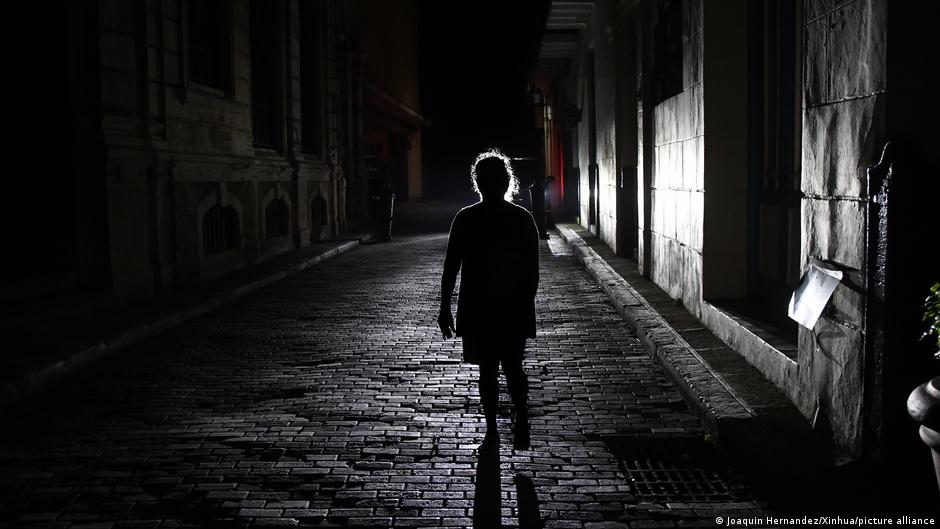
On Friday, Cuba experienced a comprehensive failure of its national electrical system, leading to a nationwide blackout. This event followed a similar outage earlier in the week, which commenced on Monday and concluded on Tuesday. The state-owned electricity provider, Unión Eléctrica (UNE), communicated via social media platform X (formerly Twitter) that the "total collapse of the national electric system" occurred at approximately 4:30 p.m. local time. The Ministry of Energy subsequently announced the activation of protocols aimed at initiating the recovery process, though an immediate explanation for Friday's incident was not provided by Cuban authorities.
This recent blackout represents the ninth nationwide power disruption since 2024 and the fourth within 2026 alone, highlighting persistent issues within the country's energy sector. The previous outage on Monday was attributed by authorities to fluctuations in voltage and insufficient electricity generation. Efforts to restore power after the Monday incident led to most of the country being reconnected by late Tuesday, only to face another system-wide failure days later.
Underlying Factors Contributing to Cuba's Energy Crisis
Cuba's electrical infrastructure has been described as dilapidated, a condition exacerbated by several contributing factors. A primary concern is a six-month fuel blockade imposed by the United States. This blockade has significantly hampered the island nation's ability to secure the necessary oil imports to power its generating stations.
The current energy difficulties are not new to Cuba. The country has been contending with electricity shortages for an extended period, with the situation notably intensifying following the US decision in January to halt oil supplies. This policy, enacted during the administration of then-US President Donald Trump, was reportedly aimed at pressuring Cuba's communist government. The move coincided with the US's actions regarding Venezuelan President Nicolas Maduro, leading to his effective replacement by acting President Delcy Rodriguez. Venezuela had historically been a crucial supplier of oil to Cuba.
Since the implementation of the US fuel blockade, only one oil tanker has successfully docked in Cuba, carrying a cargo that, according to estimates, could only cover approximately two weeks of the nation's energy requirements. This limited supply underscores the severity of the fuel deficit.
The Broader Context: US Embargo and Economic Challenges
The fuel blockade operates within the larger framework of a decades-long US economic embargo against Cuba. Havana has consistently attributed its infrastructure woes and economic struggles to the impact of this embargo. Conversely, Washington maintains that Cuba's economic difficulties, including the state of its energy infrastructure, are primarily a result of what it describes as mismanagement by the Cuban government.
Estimates suggest that Cuba requires more than 100,000 barrels of oil per day to adequately meet its national energy demands. The inability to consistently secure this volume of fuel, coupled with an aging and vulnerable electrical grid, creates a precarious situation for the country's power supply.
The recurring blackouts have profound implications for millions of Cubans, disrupting daily life, economic activities, and essential services. The frequency and scale of these power failures underscore the urgent need for sustainable solutions to address the fundamental challenges facing Cuba's energy sector.
Source: Cuba suffers second nationwide blackout in five days