
Context of Increasing Violence
A recent court verdict in Germany has brought into sharp focus the escalating issue of aggression directed towards railway employees. The case involved the fatal assault of a train conductor, highlighting a disturbing trend of increased hostility within the public transport sector.
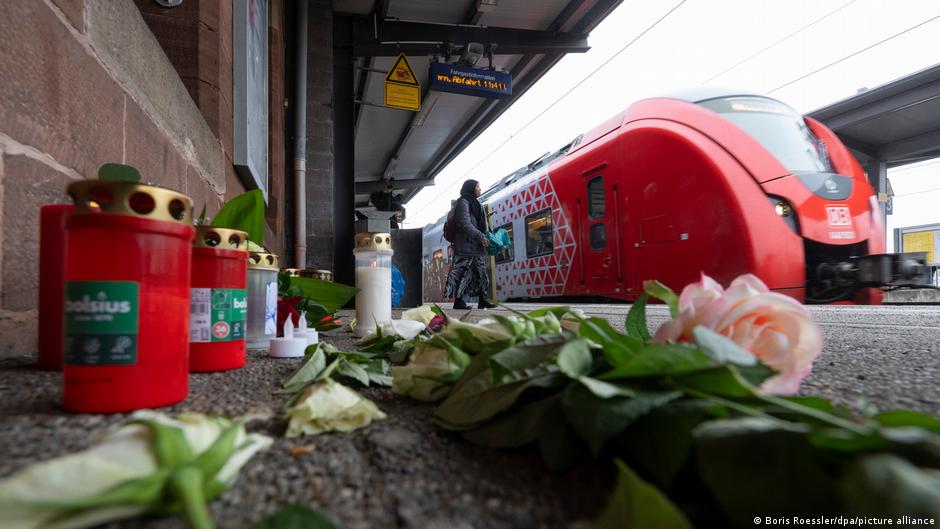
The Zweibrücken Regional Court concluded a trial five months after a 36-year-old train conductor, Serkan Calar, died following an altercation during a routine ticket inspection. The 24-year-old defendant, who was traveling without a valid ticket and refused to provide identification, struck Calar in the head. Calar succumbed to a brain hemorrhage two days later. The court found the defendant guilty of assault resulting in death and imposed a 10-year prison sentence. Surveillance footage from the train was presented as evidence during the proceedings.
The victim's family, through their attorney Yalcin Tekinoglu, expressed that the verdict felt insufficient and indicated their intention to seek a review by the Federal Court of Justice. Tekinoglu emphasized that the family's primary concern extends beyond a harsher sentence; they aim for the verdict to convey a resolute message against the growing violence faced by public transport workers.
Statistical Overview of Incidents
Testimony from a Federal Police officer during the trial revealed that the defendant had been removed from another high-speed train earlier on the same day due to "verbally aggressive behavior." The officer characterized this as a typical occurrence, underscoring the widespread nature of such incidents.
Recent data from the Interior Ministry further corroborates this trend. In the initial five months of the current year, 1,630 railway employees and 4,672 federal police officers were victims of criminal offenses. This marks a significant rise in incidents. Last year, the daily average for physical attacks on railway employees stood at five; this figure has now increased to eight per day. These statistics point to a troubling normalization of threats and assaults against those working on Germany's rail networks.
Societal Factors Contributing to Aggression
Leon Walter, a violence researcher at Bielefeld University, suggests that the surge in aggression on trains is not an isolated phenomenon but rather a reflection of broader societal tensions. He notes that similar increases in hostility are reported by professionals in healthcare, emergency services, and law enforcement. Walter attributes this to the elevated stress levels many individuals experience in their daily lives, with violence sometimes becoming a "last resort" for some.
The confined environment of a train, particularly during a ticket inspection, can exacerbate these tensions, creating what Walter describes as a "perfect storm." Individuals prone to aggressive behavior, when confronted without a valid ticket, may feel trapped and unable to de-escalate the situation, occasionally leading to violent outbursts. Furthermore, train conductors often become targets for passenger frustration stemming from the increasing delays experienced on Deutsche Bahn services, as they are the most accessible point of contact for disgruntled travelers.
Measures for Enhanced Safety and Support
The rise in aggressive behavior is also impacting staff retention, with Deutsche Bahn facing challenges in recruiting and retaining train crew members. Walter points out that workplace violence is a significant factor, leading many employees to contemplate alternative careers. There is also a perceived lack of adequate support and training for staff in handling conflict situations.
In response to the fatal incident, Evelyn Palla, head of Deutsche Bahn, has implemented measures to enhance safety. Customer-facing employees now have the option to be equipped with body cameras, a measure previously limited to regional trains but now expanded to long-distance services, onboard catering staff, and personnel in DB Lounges. The objective is to improve the documentation of assaults, as body cameras are believed to have a preventive effect, deter violence, and assist in evidence collection. This initiative is part of a broader "Action Plan for Greater Safety on the Rails," which also includes hiring 200 additional security personnel and refining an emergency button system that allows employees to discreetly alert control centers during dangerous situations.
Importance of Staff Training and Policy Reform
Walter emphasizes the critical role of comprehensive staff training in conflict management. He highlights that the manner in which train attendants handle confrontational situations is paramount. A key principle, according to Walter, is that "a passenger should never be touched or restrained." He also advocates for giving conductors the autonomy to decline ticket checks if they perceive a situation to be escalating dangerously. Walter's research indicates that many employees feel compelled to proceed with inspections regardless of the risks, underscoring a need for employers and lawmakers to establish clear regulations prioritizing safety above all else.