European Union Strengthens Stance Against BPA in Food Contact Materials
The European Union (EU) is set to enforce a comprehensive prohibition on Bisphenol A (BPA) in all food packaging and containers, with the new regulations taking effect from July 2026. This measure represents a significant escalation in the EU's efforts to mitigate public exposure to the industrial chemical, which has long been identified as an endocrine disruptor capable of interfering with the human hormonal system. The upcoming ban extends beyond previous restrictions on BPA in baby bottles and thermal paper receipts, encompassing a broad spectrum of products from single-use food wraps to reusable plastic water bottles, lunch boxes, and various kitchenware items.
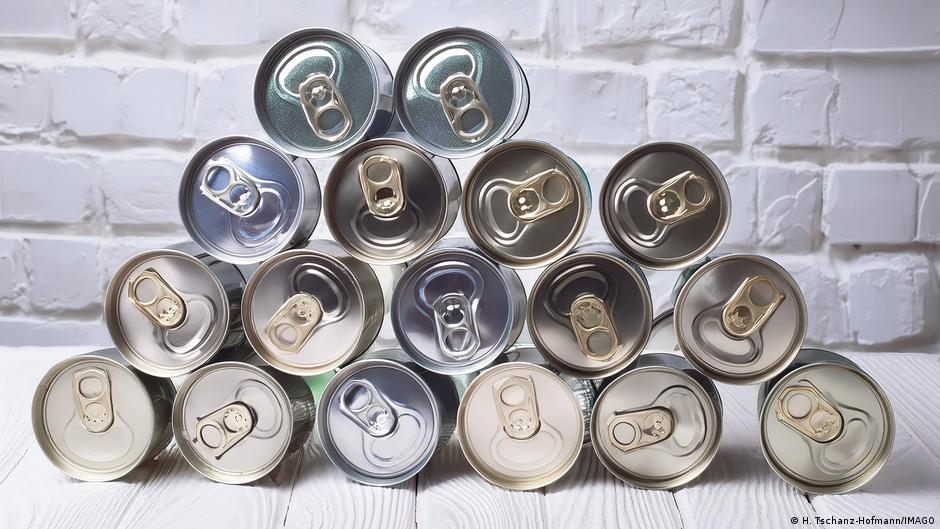
BPA is a fundamental component in the production of polycarbonate, a rigid, transparent plastic, and epoxy resins. These resins are commonly utilized as internal coatings for food and beverage cans, serving to prevent corrosion of the metal and subsequent leaching into the contents. Additionally, BPA can be found in plastic films, printing inks, and adhesives. Data from BUND, a prominent German environmental non-governmental organization, indicates that approximately 410,000 metric tons of BPA-containing products are distributed annually in Germany alone, underscoring the chemical's pervasive presence in consumer goods.
Understanding the Health Implications of BPA Exposure
When BPA-containing materials come into contact with food, small quantities of the substance can migrate into edibles and beverages. The European Food Safety Authority (EFSA) has highlighted BPA's potential to pose health risks to individuals across all age demographics. Research suggests that BPA may disrupt certain immune system functions, potentially contributing to the development of asthma and various autoimmune diseases. Furthermore, evidence indicates a possible correlation between BPA exposure and an elevated risk of cardiovascular disease, diabetes, and obesity.
However, the most extensively documented concern surrounding BPA centers on its capacity to interfere with the endocrine system. This interference may adversely affect both male and female fertility, alter the timing or progression of puberty, and has been linked to specific types of cancer. The estrogenic properties of BPA have been recognized for decades, with the chemical having been explored as a synthetic estrogen substitute as early as the 1930s. Interestingly, researchers at the time ultimately opted for diethylstilbestrol (DES), an estrogen derivative with a similar molecular structure, to address pregnancy complications. DES was subsequently banned in 1971 after it was found to increase the risk of breast cancer and childbirth complications in mothers, and vaginal and cervical cancer in their daughters.
Widespread Human Exposure and Regulatory Responses
Studies conducted by the European Environment Agency (EEA) have revealed the widespread presence of BPA in the human population, with traces detected in the urine of 92% of adult participants across 11 European countries. A similar study by a US national health agency in 2003–2004 found BPA traces in 93% of over 2,500 individuals examined. While the United States does not have a nationwide ban on BPA in food packaging, it has prohibited the chemical in baby bottles and sippy cups since 2012, and in infant formula packaging since 2013. Some US states have also banned BPA in thermal paper, and California mandates warning labels on products with high BPA levels.
In response to growing health concerns, the EFSA has drastically reduced the tolerable daily intake (TDI) for bisphenol A from 4 micrograms to an exceptionally low 0.2 nanograms per kilogram of body weight, establishing a level deemed safe for lifelong exposure. Beyond BPA, other bisphenols like BPF and BPS, which exhibit similar effects, are prevalent in numerous everyday products, including dental fillings and synthetic fiber underwear. BPA is also found in the environment, in air, dust, and water. However, the most significant pathway for human exposure to these chemicals is through food and beverage containers. Pregnant women are particularly vulnerable, as BPA can cross the placenta and affect the fetus.
Navigating the Transition and Minimizing Personal Exposure
Despite the EU's forthcoming ban being the most stringent globally to date, certain exceptions and transition periods are in place. For instance, food products already in BPA-containing packaging may continue to be sold until existing stock is depleted, partly to prevent unnecessary food waste. A transition period extending until 2028 has also been established for specific applications where suitable BPA alternatives are not yet readily available, such as for cans lined with BPA-based coatings used for acidic foods. These linings are crucial for preventing acid-induced corrosion of the metal and subsequent contamination of the contents.
BPA can also leach into drinking water, particularly when epoxy resins have been used to coat the interior of water pipes during renovation. Over time, these linings can degrade, releasing BPA into the water supply. Consequently, it is generally advisable to avoid drinking warm tap water, as the risk of BPA exposure is considerably lower with cold water. Showering with hot water, however, does not pose a similar risk.
Consumers can adopt several precautions to minimize their exposure to BPA. While there is no EU requirement to label products containing BPA coatings, and 'BPA-free' labels do not guarantee the absence of other bisphenols, informed choices can be made. Preparing fresh meals from scratch, opting for glass jars over canned goods, and using kitchen utensils made from wood, glass, or stainless steel instead of plastic are recommended practices. Avoiding microwave-safe plastic dishes and seeking out 'bisphenol-free' labels when purchasing plastic items are also prudent. Furthermore, it is advisable not to heat food directly in cans, especially during activities like camping. While a fiber-rich diet is known to bind to and help remove certain toxic substances from the body, such as PFAS chemicals, whether it offers similar protection against bisphenols remains an area requiring further scientific investigation.
Source: Original Article