EU Parliament Supports Digital Euro Negotiations
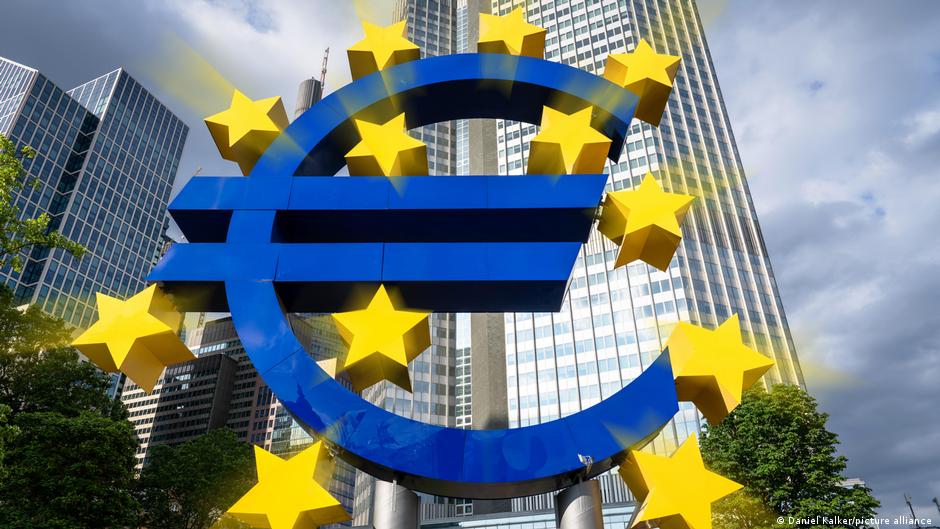
The European Parliament has recently given its endorsement to resume discussions concerning the establishment of a digital version of the euro. In a significant vote, 416 delegates supported the initiative, with 169 opposing and 22 abstaining. This decision paves the way for lawmakers to engage with member states later this month to delve deeper into the concept. The ambitious timeline set by the EU parliament and member nations targets a final agreement by the close of 2026, potentially enabling the European Central Bank (ECB) to introduce the digital euro by 2029.
Strategic Importance: Reducing Reliance on External Payment Systems
A primary motivation behind the push for a digital euro is the desire to diminish the European Union's dependence on dominant U.S.-based payment systems, including Visa, Mastercard, Apple Pay, and Google Pay. Data from the ECB indicates that a substantial majority—almost two-thirds—of card payments within the eurozone are currently processed by non-European entities, predominantly Visa and Mastercard. Furthermore, a significant gap exists in the payment infrastructure, with 13 out of 21 eurozone countries lacking a domestic card scheme for everyday transactions, whether in physical stores or online. The digital euro is envisioned as a strategic tool to address this imbalance and strengthen the bloc's financial autonomy.
Operational Framework of the Digital Euro
The proposed digital euro is designed to hold an equivalent value to physical cash and banknotes. To utilize this digital currency, individuals would be required to establish an account with a financial institution, such as a bank, or a public service provider, like a post office. Funds could then be transferred or deposited into this account. The digital euro would facilitate payments in various scenarios—in retail outlets, online, and between individuals—through diverse methods including cards, mobile applications, or phones. A key promise from EU officials is the robust protection of user privacy, ensuring the confidentiality of individuals engaging in digital euro transactions. Moreover, an offline mode is planned, aiming to offer a level of privacy comparable to that of cash transactions.
Addressing Concerns: Not a Replacement for Cash
Despite the introduction of a digital currency, EU officials have consistently emphasized that the digital euro is intended to be an alternative, not a mandatory replacement for existing payment methods. Fernando Navarrete Rojas, an EU lawmaker and a lead negotiator for the parliament, explicitly refuted speculation that the digital euro could serve as a 'tool of control,' underscoring its commitment to 'the highest privacy standards.' Alessandro Giovannini, an advisor to the digital euro director at the ECB, reinforced this perspective, stating that the digital euro would expand consumer choice and uphold their freedom to select preferred payment methods in an increasingly digital world. He clarified, 'It wouldn't replace anything. Cash would still be available, and people could use existing private payment methods.'
Potential Challenges and Safeguards
Experts highlight a critical challenge: ensuring the digital euro does not function as a full-fledged cash bank account. Such a scenario could potentially lead to a significant outflow of deposits from European banks, particularly during periods of financial instability or a bank run, as consumers might opt to transfer their savings into the digital euro. To mitigate this risk, careful design and implementation will be essential to prevent unintended consequences for the banking sector.
Enhancing Financial Resilience and Autonomy
The digital euro is also presented as a mechanism to enhance financial resilience in challenging circumstances. Officials cite instances, such as an International Criminal Court judge losing access to payment services due to sanctions, as examples where a sovereign digital currency could provide a reliable alternative. Giovannini articulated this ambition, stating, 'The digital euro is 'a chance to end a dependence we have lived with for too long.'' The initiative underscores a broader strategy to bolster the EU's financial independence and offer its citizens and businesses a secure and versatile payment instrument.
Source: Original Article