Overview of the New EU Air Passenger Rights
The Council of the European Union has officially endorsed a new package of reforms aimed at bolstering the rights of air passengers across the bloc. These measures, which previously received approval from the European Parliament, are set to take effect in mid-2027. The new regulations will be applicable to all flights departing from EU airports, as well as to incoming flights operated by airlines based within the EU. The overarching goal is to streamline the process for passengers seeking compensation and to clarify their entitlements during travel disruptions.
The reforms introduce several key provisions intended to improve the travel experience and address common inconvencies. One significant change concerns family seating arrangements: children under the age of 14 will now be guaranteed a seat next to a parent without incurring additional reservation fees. Similarly, pregnant individuals and those with reduced mobility will also be able to sit alongside a travel companion without extra charges for seat selection. This aims to alleviate a frequent point of frustration and unexpected cost for families and those requiring assistance.
Administrative aspects of ticketing are also being revised. Airlines will be mandated to correct minor spelling errors in passenger names on tickets without imposing a fee. Furthermore, carriers will be required to provide printed boarding passes to checked-in passengers at no additional cost, catering to those who may not have access to digital alternatives or prefer physical documents. To enhance transparency in booking, airlines, intermediaries, and booking platforms will be obligated to display all-inclusive fares, encompassing cabin baggage, by default. This change is designed to facilitate easier and more accurate price comparisons for consumers, preventing hidden costs from emerging later in the booking process.
Another notable amendment addresses situations where passengers miss the outbound segment of a return ticket. Under the new rules, these passengers will retain the right to use the return flight without penalty, a departure from previous practices where missing one leg could invalidate the entire ticket. Additionally, passengers who are involuntarily downgraded to a lower class of travel than originally booked will be entitled to automatic refunds, ensuring fair compensation for the change in service.
Clarified Rules for Flight Disruptions and Compensation
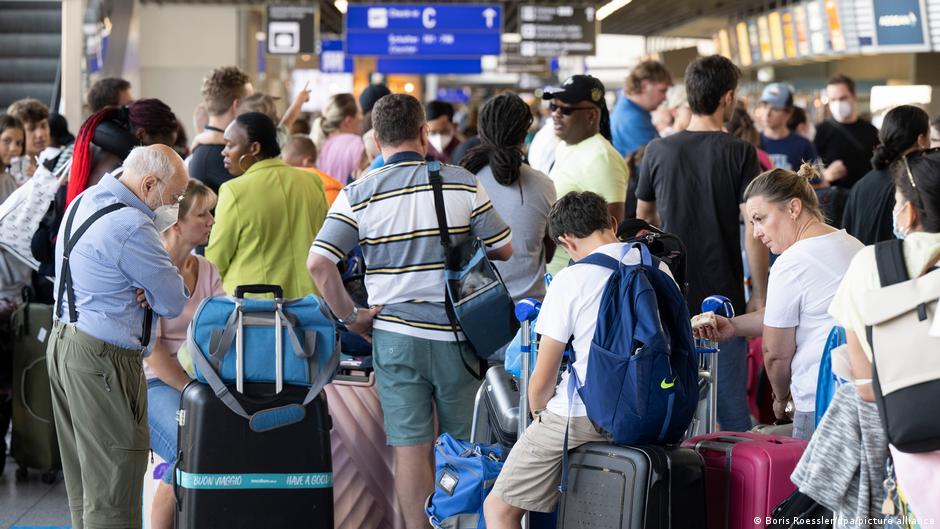
While the core principles regarding passenger compensation for delayed or canceled flights remain largely consistent—passengers are still eligible for some form of refund if a flight is delayed by at least three hours and the airline is deemed responsible—the reforms introduce clearer guidelines for making claims and delineate circumstances under which airlines are not liable. Airlines will not be held accountable for disruptions stemming from factors beyond their control, such as unruly passenger incidents, adverse weather conditions, natural disasters, or strikes by airport or ground-handling personnel.
However, a central focus of the new legislation is to simplify the compensation claims process and provide greater clarity on passenger rights during travel disruptions. Key procedural improvements include:
- Airlines must provide passengers with written information detailing their rights within 96 hours following the conclusion of their journey.
- Passengers will have an extended period of nine months to file a compensation claim.
- Upon receiving a claim, airlines will have 30 calendar days to either pay the compensation or provide a clear explanation for their refusal.
In the event of significant travel disruptions, such as lengthy delays, passengers will also be entitled to specific amenities:
- After a two-hour delay, passengers must be offered refreshments.
- Following a three-hour delay, a meal must be provided.
- Meals will continue to be offered every five hours thereafter, with a maximum of three meals per day.
- Should an overnight stay become necessary due to disruption, passengers are entitled to free accommodation in a hotel, along with complimentary transportation to and from the lodgings.
These comprehensive updates reflect an ongoing effort by the European Union to safeguard consumer interests and ensure a more predictable and equitable experience for air travelers. The reforms aim to provide a more robust framework for passenger protection, fostering greater transparency and accountability within the aviation sector.
Source: Original Article