Introduction to European Defense Ambitions
The European Union has long articulated a strategic objective to enhance its defense autonomy, aiming to reduce its historical reliance on the United States for security and military capabilities. This ambition has gained renewed urgency in recent years, prompted by evolving geopolitical landscapes and a desire for greater self-sufficiency. However, the path towards achieving this independence is fraught with complexities, encompassing technological gaps, financial constraints, and political divergences among member states. The aspiration involves developing indigenous alternatives to cornerstone American military systems, including sophisticated air defense platforms, long-range missiles, advanced combat aircraft, and critical satellite communication networks.
Challenges in Technological Development and Procurement
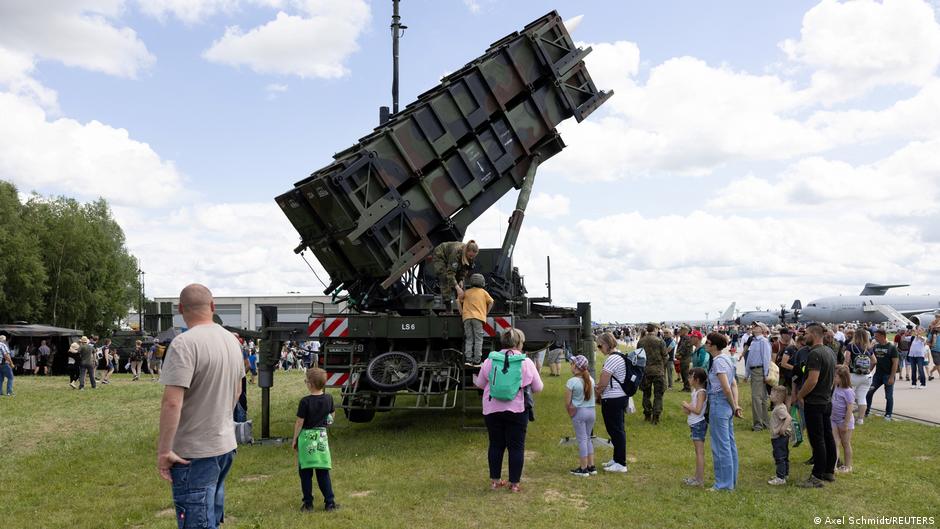
One of the primary obstacles facing the EU's defense autonomy initiative is the immense challenge of developing and procuring advanced military technology that can rival existing American systems. For instance, creating a European counterpart to the U.S. Patriot missile defense system or the Tomahawk cruise missile requires significant investment in research and development, protracted testing phases, and coordinated industrial efforts across multiple nations. The complexity of these systems means that developing them from scratch is not only costly but also time-consuming, often extending over decades. Existing European projects, such as the Franco-German Future Combat Air System (FCAS) and the British-led Global Combat Air Programme (GCAP), represent efforts to develop next-generation fighter jets. These initiatives aim to produce alternatives to American platforms like the F-35, but they are still in their early stages and face their own sets of developmental and collaborative hurdles.
Furthermore, the procurement processes within the EU are often fragmented, with individual member states frequently opting for readily available, proven, and often American-made equipment rather than waiting for nascent European projects to mature. This preference is driven by immediate operational needs, interoperability requirements with NATO, and sometimes by the perceived cost-effectiveness and reliability of established systems. Such purchasing decisions can inadvertently undermine the market for nascent European defense industries and slow down the collective progress towards strategic autonomy.
The Role of Financial Investment and Industrial Capacity
Achieving defense independence demands substantial and sustained financial investment. While EU member states have increased their defense spending in recent years, the cumulative investment often falls short of what is required to build a fully independent defense industrial base capable of producing a comprehensive range of high-end military equipment. The fragmentation of defense budgets and industrial capabilities across 27 member states means that resources are often spread thinly, rather than consolidated into large-scale, efficient projects. This contrasts with the United States, which benefits from a unified defense budget and a highly integrated defense industrial complex.
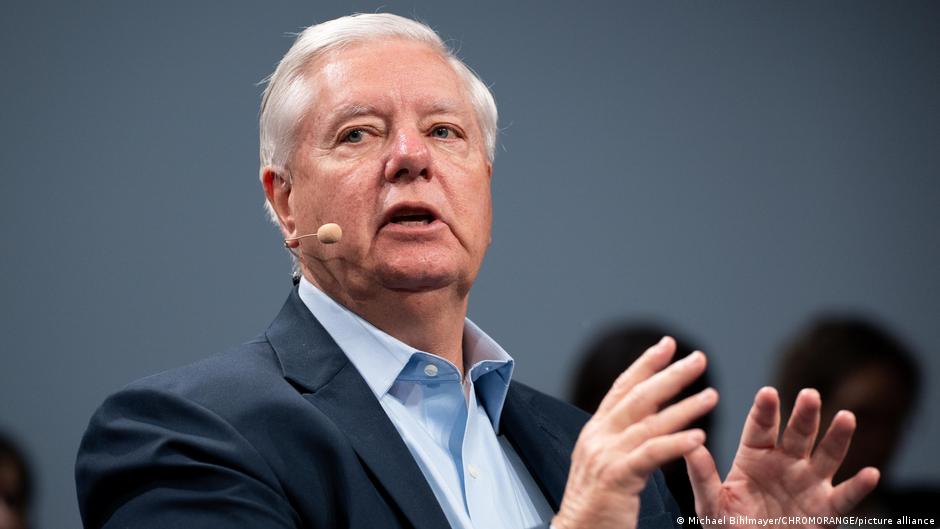
"The ambition to reduce reliance on the U.S. is clear, but the practicalities of coordinating investment, overcoming technological hurdles, and aligning national interests present a formidable task for the European Union."
Moreover, building up industrial capacity involves not just manufacturing capabilities but also a robust supply chain, skilled workforce, and advanced research infrastructure. Many European defense companies, while highly capable in specific niches, often lack the breadth and scale of their American counterparts, particularly in highly specialized areas such as advanced avionics, stealth technology, or space-based assets crucial for modern warfare. Efforts like the European Defence Fund (EDF) aim to foster collaborative defense research and development, but these initiatives are still relatively new and require time to yield significant results.
Strategic Implications and Geopolitical Context
The pursuit of defense autonomy by the EU is not merely a technical or economic endeavor; it carries significant strategic and geopolitical implications. A more independent European defense posture could reshape transatlantic relations, potentially leading to a more balanced partnership with the United States. However, it also raises questions about NATO's future role and the allocation of responsibilities within the alliance. While European leaders emphasize that greater autonomy would complement, not undermine, NATO, the practical implementation requires careful navigation to avoid duplication of efforts or diluting collective defense capabilities.
The ongoing conflict in Ukraine has underscored the importance of robust defense capabilities and the need for rapid replenishment of military stocks. This crisis has highlighted both the strengths of transatlantic cooperation and the vulnerabilities arising from over-reliance on external suppliers. For example, the dependence on Starlink for satellite internet services in certain operational contexts illustrates the critical role of private American companies in key areas of modern warfare infrastructure. Developing European equivalents in secure satellite communication, cyber defense, and other critical domains is essential for true strategic autonomy.
Conclusion: A Long Road Ahead
In conclusion, while the European Union's ambition to reduce its defense reliance on the United States is a clear and persistent goal, the journey towards achieving full strategic autonomy is complex and challenging. It necessitates overcoming significant technological gaps, mobilizing substantial and coordinated financial investments, fostering a robust and integrated defense industrial base, and navigating intricate political and strategic considerations among member states. While progress is being made on several fronts, the deep-seated nature of existing dependencies and the scale of the undertaking suggest that the EU's defense capabilities will likely continue to be intertwined with those of the United States for the foreseeable future. The pursuit of autonomy is an ongoing process of evolution, marked by incremental advancements and persistent efforts to build a more independent and resilient European security architecture.
Source: Original Article