Widespread Fuel Scarcity Grips Russia
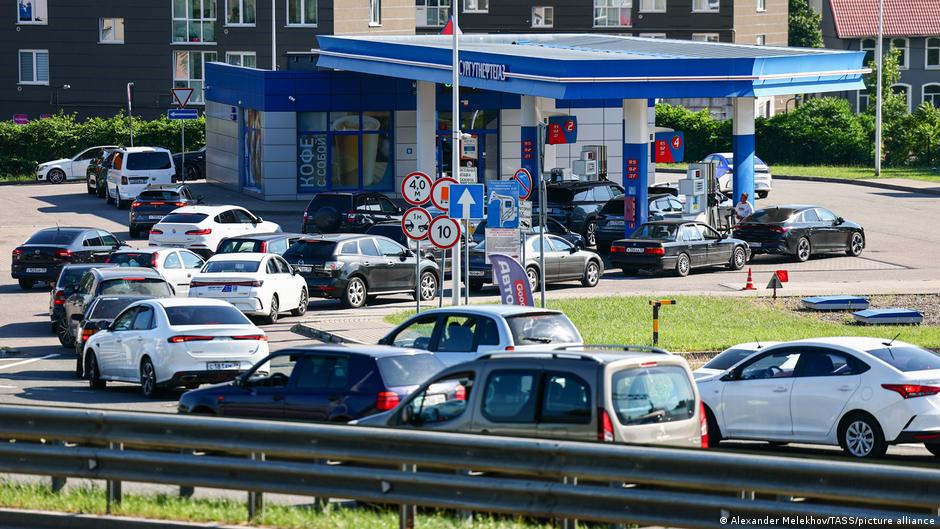
Residents across Russia are contending with significant disruptions to their daily routines as fuel shortages escalate, reportedly fueled by ongoing Ukrainian drone strikes on the nation's oil refineries. Reports from various regions indicate that motorists are enduring lengthy waits at gas stations, with some queues stretching for hours and even days, creating considerable inconvenience and tension among the populace.
The severity of the situation has led individuals to traverse considerable distances in search of operational gas stations, often spending nights in their vehicles to secure a spot in line. This environment has occasionally resulted in heated exchanges and altercations among frustrated drivers.
Escalating Drone Campaign Targets Russian Oil Infrastructure
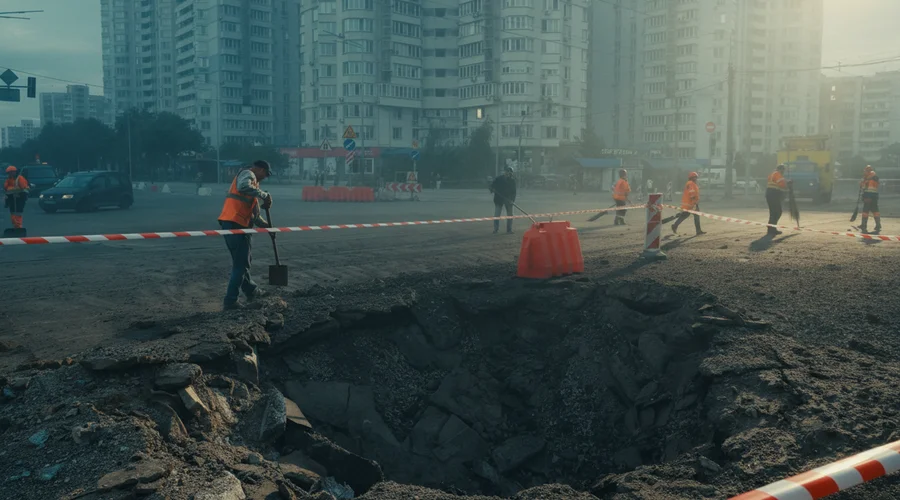
In recent months, Ukraine has intensified its drone operations, specifically targeting Russia's oil refining capabilities. A notable incident on July 6 involved an attack on the Omsk refinery, located approximately 2,500 kilometers (1,550 miles) from the Ukrainian border. This strike forms part of a broader campaign that has reportedly impacted Russia's ten largest oil refineries, spanning from the Leningrad region to Omsk, exacerbating the nationwide fuel crisis.
Daily Life Altered by Fuel Crisis
The scarcity of fuel is profoundly affecting the lives of many Russians. Accounts from various regions describe gas stations ceasing operations, while the few that remain open draw immense queues. A resident of Gelendzhik recounted her three-day struggle to refuel her vehicle, which included spending a night in her car, ultimately without success. She described the situation as a 'fight for survival,' attributing the crisis not only to shortages but also to resellers allegedly purchasing fuel at regular prices and then offering it at inflated rates.
Social media reports suggest that the city of Chita, in Russia's Transbaikal region, is particularly affected, with drivers reportedly waiting up to 36 hours for fuel. Some motorists have run out of gasoline while queuing, necessitating them to push their vehicles. There are also claims of individuals selling their positions in line for substantial sums, reportedly up to 35,000 rubles (approximately €400 or $460).
These challenges are compelling many to modify their transportation habits. Carpooling for errands and school runs has become more common, and public transportation is seeing increased usage. An Irkutsk resident, after repeated failed attempts to refuel, opted for buses and taxis. However, even these services are experiencing ripple effects, with reports from the newspaper Kommersant indicating that taxi drivers are reducing their working hours and declining longer trips, leading to a rise in fares.
Unconventional Alternatives and Government Response
In some rural areas, residents are exploring unconventional transportation solutions. The Telegram channel Mash reported a surge in demand for workhorses, citing horse breeders. These animals are being utilized for various agricultural tasks, including forestry and haymaking. Similarly, bicycle sales have seen a sharp increase, with CDEK.Shopping reporting a 131% rise in June compared to May, highlighting their growing role as an alternative to cars.
Adding to the complexity, some gas stations are reportedly prioritizing 'special vehicles,' which, according to the independent Russian outlet 7x7, include government officials' cars. Journalists from 7x7 documented instances in at least four regions where fuel was exclusively sold to individuals possessing official government identification.
Official Stance vs. Public Perception
Despite the evident challenges, the Kremlin has largely denied a systemic fuel shortage, attributing the issues to panic buying and speculative activities. Deputy Prime Minister Alexander Novak stated that while nationwide fuel demand has increased by 20-30%, supply disruptions are localized to specific stations. He maintained that sufficient fuel is available and that the problem could be resolved through restructuring.
Regional authorities echo similar sentiments. Governors of the Krasnodar, Irkutsk, and Pskov regions have suggested that retailers have contributed to public panic. Pskov Governor Mikhail Vedernikov commented on the widespread anxiety, noting that people fear losing mobility for work and family obligations. He also highlighted concerns among taxi drivers, small businesses, and farmers about potential income loss and crop failures, all of which contribute to heightened demand.
Conversely, some social media users and political figures accuse authorities of downplaying the crisis. Nina Ostanina, a member of the Duma, criticized the silence from agricultural ministers and deputy prime ministers, particularly ahead of the harvest season, warning of potential grain shortages that could have severe consequences under international sanctions.
Shifting Public Sentiment and War Support
Amidst these domestic challenges, there are indications of shifts in public opinion. A poll by the Russian Public Opinion Foundation (FOM) conducted in June showed a decline in President Vladimir Putin's approval rating from 74% to 69% within a single week, marking the lowest point since the onset of the full-scale conflict with Ukraine. Concerns about the national economic situation, particularly rising prices and living costs, are also growing.
However, this shift in sentiment does not directly translate into calls for an immediate cessation of hostilities. A June poll by the independent Levada Center indicated an increase in support for Russia's military actions in Ukraine, rising to 30% from 24% in March 2026. Simultaneously, the percentage of respondents advocating for peace negotiations decreased to 60%, a seven-percentage-point drop since February 2025. Sociologists at the Levada Center noted that such a sustained decline in support for peace talks had not been observed for a four-month period since late 2023 and early 2024.
Source: Original Article