Educational Disruption in Gaza
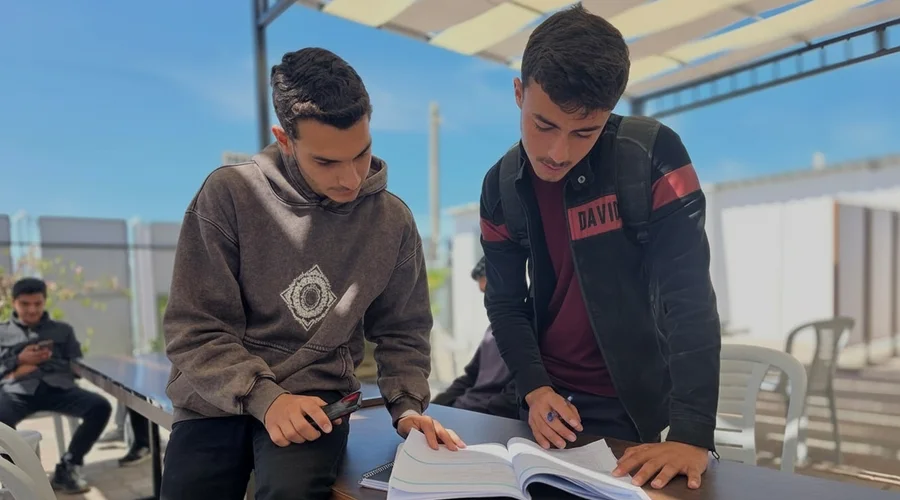
For more than three academic years, the educational landscape in Gaza has been severely impacted by the ongoing conflict. The sustained hostilities have disrupted traditional learning environments, leading to widespread closures and damage to educational institutions. This situation has compelled many students to seek alternative pathways for their academic pursuits, with a notable increase in those opting for universities outside the region.
The protracted nature of the conflict has meant that a return to pre-conflict educational norms remains elusive. While some institutions have attempted to adapt by expanding online teaching methodologies, these efforts often face significant logistical and infrastructural hurdles, including unreliable electricity and internet access. Consequently, the quality and accessibility of education within Gaza have been profoundly affected, creating a pressing need for students to look elsewhere for uninterrupted academic progress.
The Appeal of International Education
The decision to study abroad is often a complex one, driven by a combination of factors. For Gazan students, the primary motivation frequently stems from the desire to continue their education in a stable and conducive environment. Universities in various countries have become destinations for these students, offering a chance to resume studies that have been repeatedly interrupted. These institutions provide not only academic continuity but also opportunities for personal and professional development that are currently limited within Gaza.
Reports indicate that a diverse range of fields, from engineering and medicine to humanities and social sciences, are being pursued by these students. The international exposure gained from studying abroad can also be beneficial, providing new perspectives and fostering cross-cultural understanding. For many, it represents a critical step towards building a future that might otherwise be unattainable in their home territory.
Challenges Faced by Students Abroad
While studying abroad offers a lifeline for many, it is not without its own set of challenges. Financial constraints often pose a significant barrier, as tuition fees, living expenses, and travel costs can be substantial. Scholarship programs and international aid initiatives play a crucial role in enabling these students to access higher education, but the demand often outweighs the available support.
Furthermore, cultural adaptation and language barriers can present difficulties for students adjusting to new environments. The emotional toll of being away from family and friends, especially during a period of conflict in their homeland, can also be considerable. Despite these obstacles, the determination to acquire an education often outweighs these hardships, reflecting a deep commitment to learning and future prospects.
The Role of Online Learning and Future Prospects
Within Gaza, educational institutions are attempting to mitigate the impact of the conflict through various means, including the expansion of online teaching. This approach, while offering some flexibility, is often hampered by the aforementioned infrastructural challenges. The effectiveness of online learning is also dependent on access to appropriate technology and a stable learning environment, which are not always guaranteed for students in the region.
Looking ahead, the long-term implications of the current educational crisis are significant. A generation of students faces potential gaps in their learning, which could have lasting effects on their future opportunities and the overall development of the region. The continued emigration of students for educational purposes, while beneficial for the individuals involved, also raises questions about the brain drain effect and the capacity for future rebuilding within Gaza.
Efforts by international organizations and educational bodies to support Gazan students, both within the territory and abroad, remain critical. These initiatives aim to provide not only immediate educational relief but also to lay the groundwork for a more robust and resilient educational system in the future, should conditions allow. The aspiration for a return to normalcy in education remains a key goal, but for now, international pathways offer a vital alternative for many.
Source: Original Article