
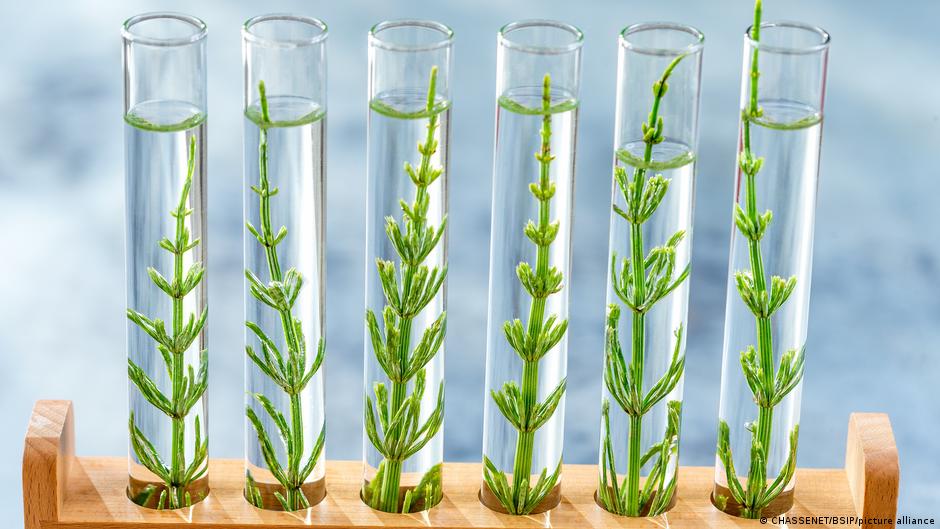
Introduction to Gene-Edited Crops in the EU
Recent policy shifts within the European Union have significantly altered the regulatory landscape for crops produced using modern gene-editing technologies. This development marks a pivotal moment for the agricultural sector, as it introduces new possibilities for crop development while simultaneously raising questions about the long-term implications. Proponents of these technologies emphasize their potential to revolutionize farming practices, offering solutions to challenges posed by climate change and global food security. Conversely, critics express concerns regarding the incomplete understanding of these novel methods and their potential impact on ecosystems and human health. The debate encapsulates a broader tension between technological innovation and precautionary principles, as policymakers strive to balance agricultural advancement with environmental stewardship.
The Evolution of Genetic Modification Regulations
Historically, the EU has maintained a stringent regulatory framework for genetically modified organisms (GMOs), largely driven by public skepticism and a precautionary approach. Traditional GMOs, which often involve introducing foreign DNA from unrelated species, have been subject to rigorous testing and labeling requirements. The newer gene-editing techniques, such as CRISPR (Clustered Regularly Interspaced Short Palindromes), differ fundamentally. Instead of inserting foreign genes, these methods typically involve precise alterations to an organism's existing DNA, often mimicking natural mutations that could occur through conventional breeding over much longer periods. This distinction has been central to the recent regulatory reevaluation, as some argue that gene-edited crops, particularly those without foreign DNA insertions, should not be subject to the same strict regulations as traditional GMOs.
Arguments for Gene-Editing in Agriculture
Supporters of gene-editing technologies highlight their potential to address some of the most pressing issues facing contemporary agriculture. One primary argument centers on climate change adaptation. Gene editing can accelerate the development of crops that are more resilient to extreme weather conditions, such as droughts, floods, and heatwaves, or that exhibit increased resistance to pests and diseases, thereby reducing the need for chemical pesticides. This could lead to more stable yields and greater food security in a changing climate. Furthermore, these techniques can enhance nutritional content, improve crop quality, and reduce post-harvest losses, offering significant economic benefits to farmers and consumers alike. The precision of gene editing also allows for targeted improvements, potentially reducing off-target effects often associated with older genetic modification methods. Advocates also point to the speed at which these changes can be implemented, offering a faster response to emerging agricultural challenges compared to traditional breeding methods that can take decades.
Concerns and Criticisms
Despite the optimistic outlook presented by proponents, a significant segment of the scientific community and environmental groups voice reservations. A core concern revolves around the potential for unintended consequences. While gene editing is precise, the full scope of its long-term effects on the intricate biological systems of plants and their interactions with the environment is not yet fully understood. Critics argue that even small, targeted changes could have unforeseen impacts on plant physiology, allergenicity, or the broader ecosystem, including biodiversity. There are also questions about the potential for gene flow from edited crops to wild relatives, which could alter natural plant populations. Furthermore, some critics express skepticism about the socio-economic implications, fearing that these technologies could further concentrate power within large agrochemical corporations, potentially marginalizing small farmers and reducing agricultural diversity. The debate also touches upon ethical considerations, with some questioning the fundamental alteration of natural organisms, regardless of the method used.
Regulatory Adjustments and the Path Forward
The recent easing of regulations by the EU reflects a recognition of the distinct nature of certain gene-editing techniques compared to traditional GMOs. This move aims to foster innovation within the European agricultural sector, allowing farmers to access tools that are already being utilized in other parts of the world. However, the exact scope and implementation of these new regulations are still subject to ongoing discussion and refinement. The challenge for policymakers is to strike a balance between facilitating scientific advancement and ensuring robust safety assessments. This involves developing clear guidelines that differentiate between various gene-editing applications, establishing appropriate monitoring mechanisms, and fostering public trust through transparent communication. The future of European agriculture may increasingly depend on how effectively it navigates this complex intersection of scientific innovation, ethical considerations, and public policy.
Source: CRISPR gene-editing for crops: Precision tool or new risk?