Deepening Fiscal Crisis in German Municipalities
Many cities and towns across Germany, particularly within the historic industrial heartland of the Ruhr Valley, are grappling with acute financial distress. This crisis is characterized by a dual challenge: a noticeable decline in tax revenues coupled with a substantial increase in social spending obligations. The city of Oberhausen exemplifies this predicament, facing a significant budget deficit and mounting debt.
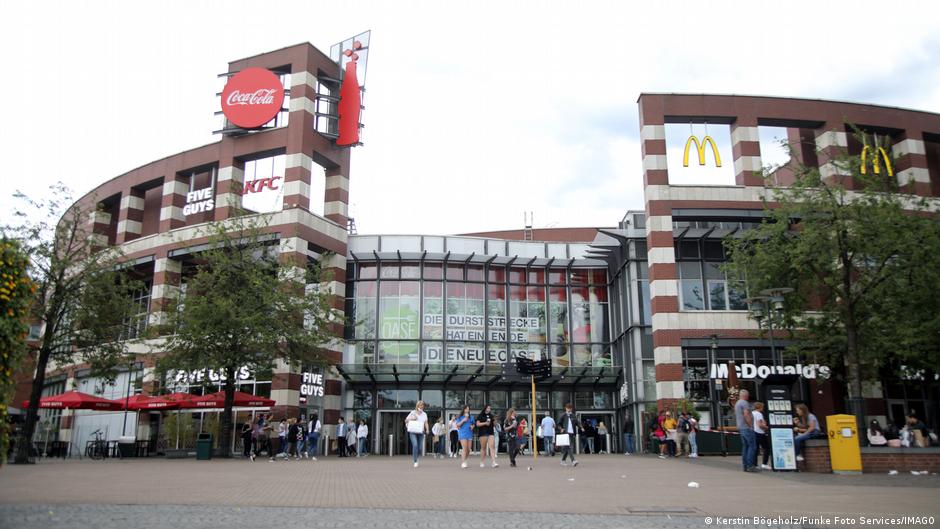
Oberhausen, once a powerhouse of steel production, has seen its economic landscape transform dramatically. While the Centro shopping and entertainment complex, constructed on former industrial land, has created numerous service sector jobs, these positions generally offer lower wages than the manufacturing roles they replaced. According to Oberhausen City Treasurer Apostolos Tsalastras, the average income in the city is now among the lowest nationally, contributing to a diminished gross domestic product. He notes that while the Centro has been a success in job creation, it has not adequately compensated for the city's financial shortfalls.
The Ruhr Region's Enduring Economic Transformation
The Ruhr Valley's economic trajectory has been shaped by profound historical shifts. Emerging as a vital industrial hub during the 19th-century coal-powered revolution, it played a critical role in Germany's wartime production. Post-World War II, the region was central to Germany's economic resurgence. However, the 1970s marked a turning point, as inflation and industrial overcapacity led to a sharp decline in raw steel production, resulting in widespread factory closures and persistent structural unemployment. Despite some remaining specialized industrial operations, such as turbine manufacturing, the scale of economic activity is a mere fraction of its former self.
Tsalastras highlights the long-term impact of these structural economic problems, stating that Oberhausen possesses no significant financial reserves or assets to liquidate. He emphasizes that the city has been implementing austerity measures for four decades, having already divested of most sellable assets. This situation places Oberhausen among the most indebted cities in Germany. Mayor Thorsten Berg of the SPD underscores the severity, pointing to youth welfare and long-term care payments as major financial burdens. He argues that municipalities are mandated to cover these costs without receiving adequate federal or state funding, creating a fundamental flaw in the system.
Rising Social Expenditure and Dwindling Revenue Streams
German municipalities are legally obligated to fund various social services, including housing costs for welfare recipients and assistance for individuals with disabilities. In Oberhausen, social services account for approximately 50% of the city's budget. The costs associated with long-term care are escalating as more elderly residents are unable to afford nursing home expenses, requiring municipal intervention. Similarly, youth welfare expenditures have surged, driven by an increasing need to remove children from challenging home environments, often linked to parental or child mental health issues. Treasurer Tsalastras also points to the lingering effects of the COVID-19 pandemic and the concerning impact of social media on these trends.
The primary revenue sources for municipalities include trade tax, property tax, and a 15% share of income tax. However, Germany's prolonged economic downturn, spanning seven years, has significantly eroded these tax revenues. Tsalastras, overseeing Oberhausen's finances since 2010, reports an annual budget of €1.2 billion, with a recurring revenue shortfall of approximately €100 million. By the end of 2025, Oberhausen's accumulated debt reached €2 billion, though a state government injection reduced it to €800 million.
Impact on Public Services and Cultural Programs
The financial constraints have necessitated severe cuts across various sectors. Cultural programs have been consistently underfunded, with the renowned Oberhausen theater operating on a reduced budget annually. Essential renovations to the theater are now being conducted while the venue remains open, requiring audiences to sit on the stage. To generate additional income, parking fees have been increased by 50%, and traffic enforcement has been intensified to collect more fines. The city administration is also facing a mandate to cut 5% of its workforce, which is anticipated to result in longer waiting times for citizens seeking government services. Tsalastras acknowledges the public's dissatisfaction but stresses the lack of viable alternatives.
Oberhausen's struggle mirrors a broader national trend, with an increasing number of Germany's 10,700 municipalities facing situations where expenditures outstrip revenues. By 2025, German local governments collectively accrued nearly €30 billion in new debt, pushing the total municipal debt beyond €200 billion. Projections indicate similar levels of new debt annually through 2028.
Political Implications and Calls for Reform
Mayor Berg expresses concern that the financial instability could undermine public trust in democratic institutions, potentially benefiting extremist parties like the far-right Alternative for Germany (AfD). This warning has resonated with state and federal leaders. Chancellor Friedrich Merz, of the center-right Christian Democratic Union (CDU), recently acknowledged the precarious financial state of municipalities and announced an agreement with state premiers to reorganize the distribution of public responsibilities. The new principle, effective September 1, stipulates that any new laws imposing financial obligations on municipalities or states must include provisions for their adequate remuneration. While Berg welcomes this decision, he emphasizes that it offers only limited relief, as it does not address the existing financial burdens. He advocates for substantial federal funding and greater municipal share of national tax revenues, along with complete debt relief, likening the situation to arduous collective bargaining negotiations.
Source: Original Article