Baerbock Highlights Diversity and Progress in German Football
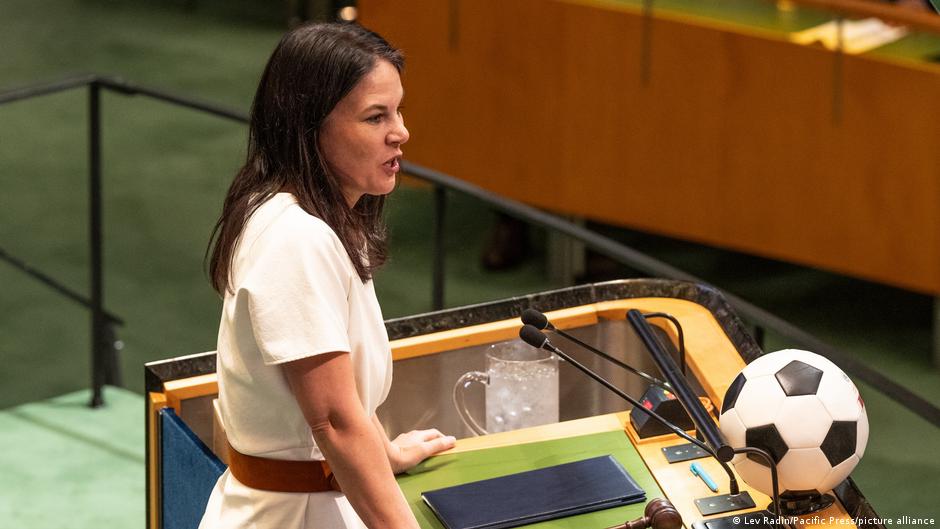
Annalena Baerbock, currently serving as the President of the United Nations General Assembly, has expressed her admiration for the German national football team, emphasizing its evolving diversity and its positive influence on younger generations. Speaking at an event at the newly inaugurated German House of Soccer, Baerbock, a known enthusiast of the sport, underscored the team's significant progress in recent years.
Her comments come as the German men's team competes in the 2026 World Cup, hosted across the United States, Canada, and Mexico. Baerbock, whose UN role is based in New York, has consistently followed Germany's national teams, having previously supported the women's team at the Euros in Switzerland and now keenly following the men's squad.
Honoring Footballing Figures
The event where Baerbock spoke also served as an awards ceremony, recognizing the contributions of former Bayern Munich forward Thomas Müller and goalkeeper Ann-Katrin Berger. Müller, celebrated as Germany's most successful player and currently with the Vancouver Whitecaps in the MLS, received an honorary prize. His amiable demeanor and off-field presence were cited as key factors in enhancing the international image of German football. Berger, a goalkeeper for Gotham City, was honored in the player category for her exceptional fighting spirit and determination on the field.
A Shifting Landscape of Representation
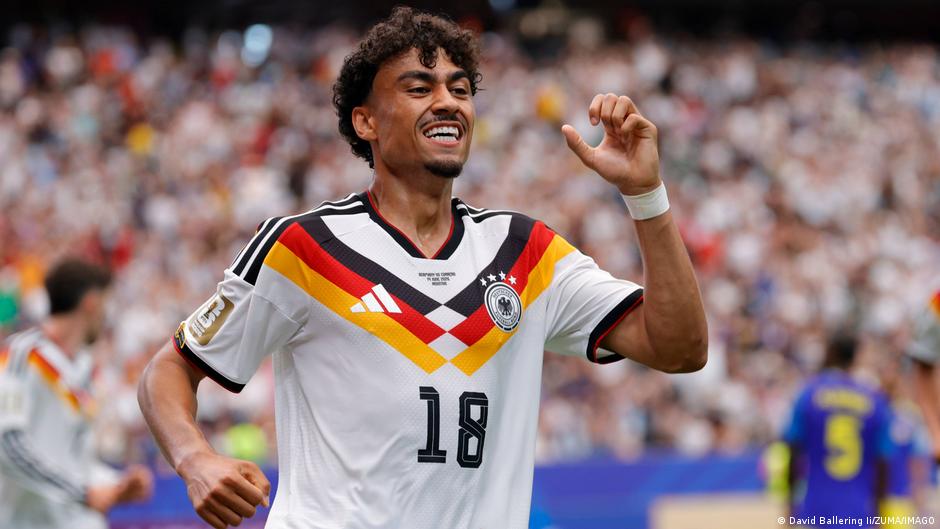
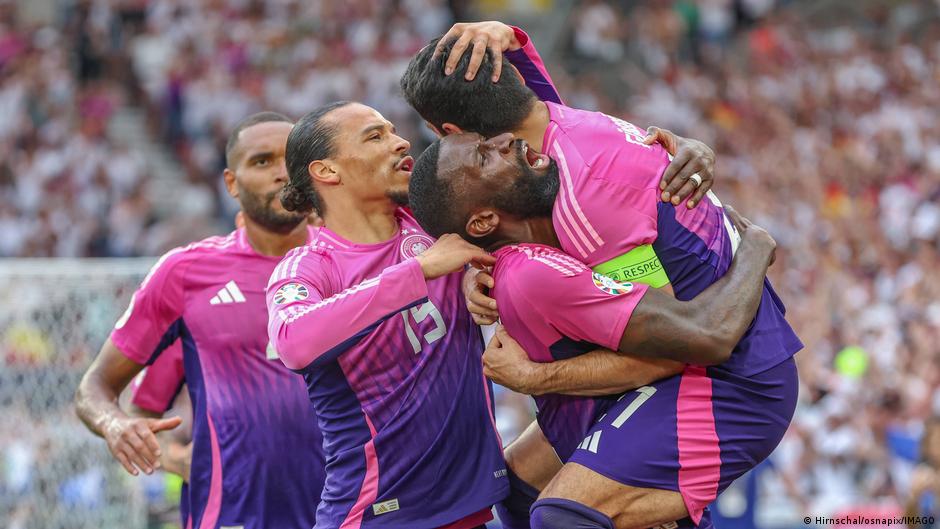
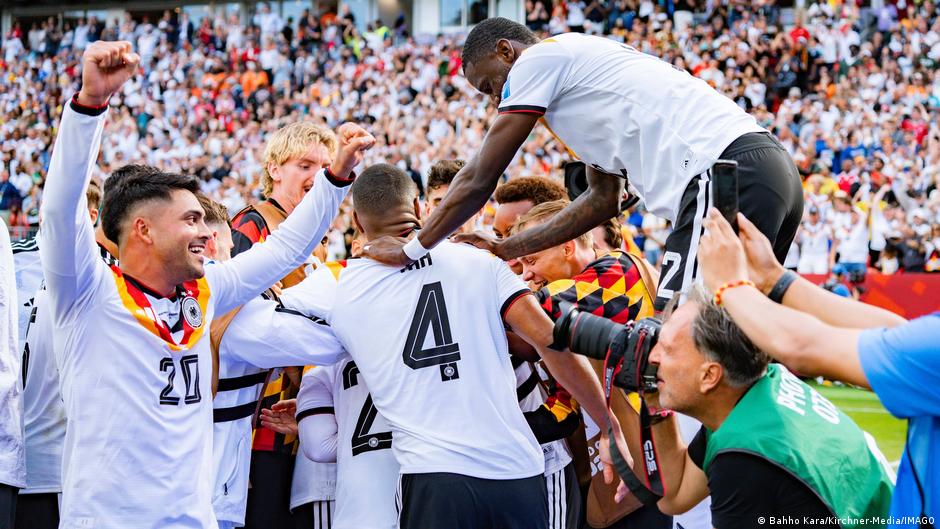
Baerbock highlighted the stark contrast between the current team's composition and that of previous eras, noting the significant increase in diversity. "Today we have great diversity in the team, which symbolizes a new generation of German players," Baerbock stated. She drew a parallel to the early 2000s, recalling the discussions surrounding Gerald Asamoah, one of the first players of African descent to represent the German national team. Asamoah, who debuted in 2001 under coach Rudi Völler, faced both widespread approval and racist remarks, sparking a national debate on what constituted a 'real' German, given his Ghanaian birth and subsequent move to Germany at age 12.
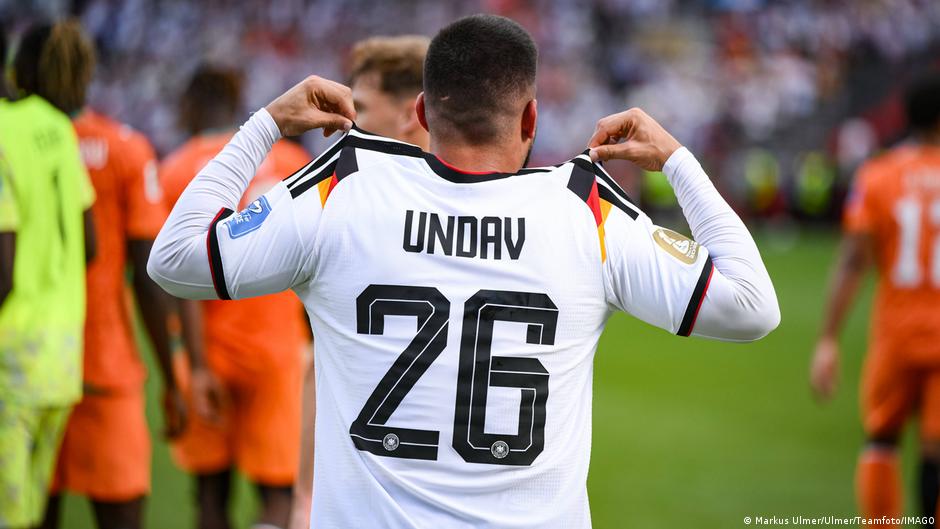
While Erwin Kostedde was the first Black player for the German national team, Asamoah's participation in the 2002 and 2006 World Cups was pivotal, paving the way for a new generation of players with African heritage, including prominent figures like Jerome Boateng, Jonathan Tah, Antonio Rüdiger, and Felix Nmecha. The current World Cup squad, managed by Julian Nagelsmann, reportedly includes 11 players out of 26 with an immigrant background, a demographic shift that has, notably, not generated the same level of public controversy as Asamoah's selection did decades ago.
Addressing Lingering Divides
Despite the overall acceptance of the team's diversity, some political factions, such as the Alternative for Germany (AfD) party and its supporters, have critically labeled the national team as the "rainbow squad," expressing disapproval of the emphasis on diversity and anti-discrimination efforts. Furthermore, a survey conducted by German public broadcaster WDR prior to Euro 2024 revealed that 21% of respondents expressed a desire for more white players on the team. This finding drew criticism from both national coach Julian Nagelsmann and team captain Joshua Kimmich.
Baerbock acknowledged these perspectives, asserting, "That shows how important anti-racism campaigns are. A team is also always a reflection of society." She underscored that the World Cup team's composition effectively mirrors Germany's diverse society, delivering a crucial message to young people: "You can make it anywhere. Sports—and football in particular—bring people together. On the pitch, everyone is equal, no matter where you are from, what your parents earn, or what language you speak. What matters is that you score and are a team player."
Team Spirit Over Individual Stardom
The former German foreign minister conveyed her optimism for the team's performance in the current World Cup, emphasizing the strength of their collective spirit. "We may not be the team most people have put their bets on, but we have a wonderful team spirit," Baerbock remarked. She concluded by highlighting the importance of cohesion over individual talent: "Sometimes it's more important to have the best team rather than the most famous superstar."
Source: Original Article