
Rising Sick Leave in Germany
In recent years, Germany has observed a significant increase in the average number of sick leave days taken by workers. This number now stands at almost 20 days annually per employee, marking a record high for the country. The increase has prompted discussions on the implications for the workforce and productivity.
Comparative Analysis with Europe
Despite the rising figures, Germany's rate of absenteeism does not top the list when compared to other European nations. Several countries in Europe report higher averages, indicating that Germany is not facing the most severe absenteeism issue on the continent.
Government's Response
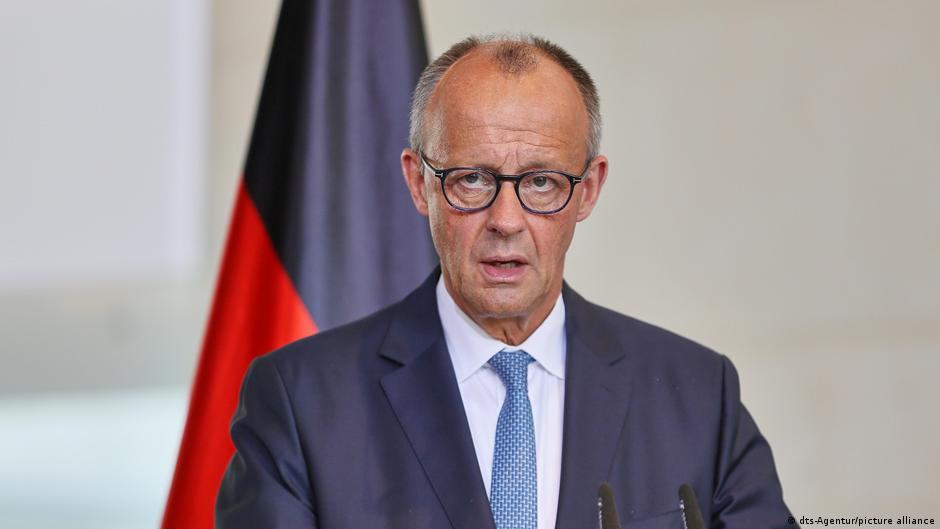
As this trend continues, Chancellor Merz's administration is taking measures to address the issue. The government is looking into possible causes and solutions to reduce the number of days lost to illness while maintaining employee health and well-being.
Factors Contributing to Absenteeism
Various factors contribute to the high rates of sick leave, including workplace conditions, the prevalence of infectious diseases, and the mental health of employees. The pandemic has further complicated the landscape, influencing both the physical and psychological aspects of health in the workplace.
Looking Ahead
Moving forward, Germany aims to balance the need for a healthy workforce with the demands of economic productivity. This involves promoting wellness initiatives, improving workplace conditions, and implementing effective health policies.
Source: Original Article