
Germany's Dual Challenge: Attracting Talent While Battling Brain Drain
Germany has long positioned itself as an attractive destination for skilled workers globally, driven by its robust economy and demand for specialized labor. However, a persistent issue has emerged: while the nation successfully draws in international talent, it often struggles to retain these individuals in the long term. This trend raises questions about the underlying reasons for their departure and what measures could improve retention rates.
Understanding the Dynamics of Emigration
Research conducted by the Institute for Employment Research (IAB) sheds light on the complex factors influencing migrants' decisions to leave Germany. Laura Gossner, a migration and international labor studies researcher at IAB, emphasized the importance of understanding emigration to effectively shape immigration policies. An online survey targeting individuals aged 18 to 65 who had moved to Germany before April 2025 and subsequently left, revealed that no single factor drives this phenomenon. Instead, a confluence of personal, social, and administrative challenges contributes to the decision to depart.
Family-related considerations, for instance, frequently play a pivotal role. Additionally, experiences of discrimination were cited by some respondents. Many of the identified contributing factors, such as bureaucratic hurdles, difficulties in finding suitable housing, and challenges with language acquisition, are areas where public policy interventions could potentially make a significant difference.
Demographics of Departure
Theresa Koch, also a researcher in migration and the international labor market at IAB, provided insights into the profile of individuals more likely to emigrate. According to her findings, emigrants tend to be younger, have spent less time in Germany, and are more likely to have partners and children residing abroad. Furthermore, they often exhibit lower proficiency in German but possess a stronger command of English. Approximately 60% of these individuals return to their home countries, while the remaining 40% relocate to other European nations such as Spain, Switzerland, Italy, and Croatia. This highlights Germany's competitive position in the global race for skilled labor, as noted by Yuliya Kosyakova, head of the research department for migration and the international labor market at the IAB.
Bureaucracy and Lack of Support: Key Deterrents
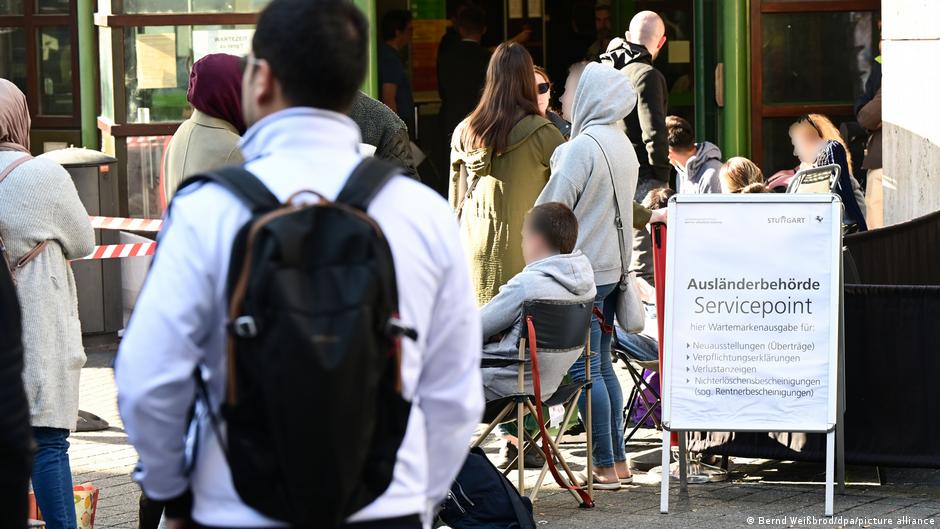
A recurring theme among emigrants' criticisms pertains to Germany's administrative processes. Lengthy processing times for naturalization applications, residence permits, visas, and the recognition of foreign qualifications are frequently cited as sources of frustration. Delays in receiving responses from authorities and high administrative fees further exacerbate these issues. Another significant area of concern is the perceived lack of adequate support for career development, whether from job centers, local authorities, or employers. These challenges collectively impede long-term planning, access to suitable employment, and the development of a sense of belonging within Germany.
Gossner explained that administrative procedures significantly influence how immigrants perceive their future in Germany. When these processes are seen as protracted, confusing, or inaccessible, it can negatively impact individuals' intentions to stay. She added that immigrants who view such procedures negatively are, on average, less likely to feel welcomed in the country.
The Crucial Role of Language and Qualification Alignment
Tilman Frank, chairman of the BVIFG federal association for recruiting skilled labor and managing director of TalentOrange GmbH, a company involved in recruiting healthcare and childcare workers, emphasized the importance of German language proficiency. He noted that inadequate language acquisition support is a primary reason for many skilled workers leaving shortly after arrival. Frank stressed that while people are sufficiently prepared for life in Germany, retention rates are very high, a lack of preparation, particularly in language, significantly increases the likelihood of their return home.
Frank highlighted the efforts of individuals from countries like Kenya, India, and Vietnam to establish themselves in Germany, often encouraged by their home governments or families. He advocated for government support for German language instruction in migrants' countries of origin, cautioning that attempts to immigrate without any German knowledge are unsustainable. He also pointed out a disconnect where international degree programs taught in English create an expectation of work opportunities in Germany that often do not materialize.
Another factor contributing to emigration is the misalignment between immigrants' qualifications and the roles they ultimately secure. Frank provided an example of individuals trained in acute hospital care in their home countries who end up working in nursing homes providing basic care in Germany, often without this difference being clearly communicated beforehand.
Towards a More Effective Retention Strategy
Policymakers are increasingly recognizing the imperative not only to attract international skilled workers but also to ensure their long-term integration and retention. Frank acknowledged some positive developments, such as the Federal Employment Agency's introduction of a faster and more reliable centralized system and the state of Hesse establishing a central immigration authority. Plans are also underway to create a federal 'Work and Stay' agency.
However, Frank also noted ongoing operational challenges, particularly staff shortages within public authorities, which continue to hinder systemic improvements. While digitalization efforts are progressing, they often occur slowly and through fragmented initiatives by individual states and municipalities, rather than as a comprehensive nationwide solution. Addressing these multifaceted issues will be crucial for Germany to solidify its position as a truly welcoming and enduring home for international skilled labor.
Source: Original Article