The Economic Landscape of Oberhausen
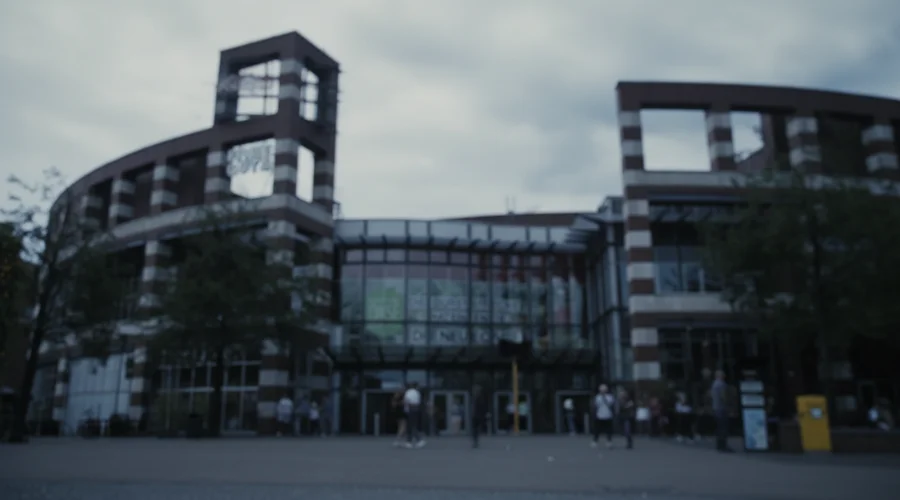
The city of Oberhausen, nestled in Germany's Ruhr Valley, exemplifies the financial struggles gripping many municipalities in the region. Once a titan of the steel industry, employing tens of thousands, the area has undergone a significant economic transformation. While modern developments like the Centro shopping and entertainment complex have brought new jobs, these are predominantly in the service sector, offering lower wages compared to the industrial roles they replaced. According to Oberhausen City Treasurer Apostolos Tsalastras, the average income in the city is now among the lowest in Germany, and its gross domestic product also ranks poorly nationwide.
The Ruhr Valley's industrial legacy, rooted in 19th-century coal and steel production, played a crucial role in Germany's economic development, including armament production during both World Wars and the post-war economic miracle of the 1950s. However, the 1970s marked a turning point, as inflation and overcapacity led to a dramatic decline in raw steel production, resulting in widespread plant closures and persistent structural unemployment. While some remnants of the steel industry persist, such as companies manufacturing turbines, their scale is minuscule compared to the region's past dominance. Tsalastras emphasizes that decades of economic decline have left Oberhausen with no financial reserves, capital investments, or salable assets, stating, "We've been saving for 40 years; we've already sold everything: We have nothing left."
Soaring Social Welfare Costs and Limited Revenue
Oberhausen is currently one of Germany's most indebted cities. Mayor Thorsten Berg of the Social Democrats (SPD) describes the situation as "truly dire," highlighting that major financial burdens stem from payments for youth welfare and long-term care. Municipalities are mandated to fund these services, often due to federal and state-level decisions, without adequate financial compensation. In Oberhausen, approximately 50% of the budget is allocated to social services. The costs associated with long-term care are rising as an increasing number of elderly individuals cannot afford nursing home expenses, compelling the city to step in. Similarly, expenditures for youth welfare have surged, driven by a growing need to remove children from challenging family environments, often linked to parental or child mental health issues. Treasurer Tsalastras also points to the lingering effects of the COVID-19 pandemic and the concerning impact of social media on these social challenges.
The primary revenue streams for German municipalities are trade tax, property tax, and a 15% share of income tax. However, a prolonged economic downturn, now spanning seven years in Germany, has significantly eroded these tax revenues. Tsalastras, who has managed Oberhausen's finances since 2010, reports an annual budget of €1.2 billion, with a revenue shortfall of approximately €100 million. By the end of 2025, Oberhausen's accumulated debt reached €2 billion, though a cash injection from the North Rhine-Westphalia state government reduced it to €800 million.
Cuts to Public Services and Infrastructure
In response to the severe financial constraints, Oberhausen has been forced to implement significant cuts across various sectors. Cultural programs have faced continuous budget reductions, with the city's renowned theater operating with diminished funds. Urgent renovations to the theater building are now being carried out while it remains open, requiring audiences to sit on the stage. Other measures include a 50% increase in parking fees and more frequent traffic checks to generate fine revenue. The city administration is also expected to implement further cuts, including a 5% reduction in jobs, which will likely lead to longer waiting times for citizens accessing government services. Tsalastras acknowledges the public's dissatisfaction but underscores the lack of alternatives.
The plight of Oberhausen mirrors a broader trend across Germany. A growing number of the country's approximately 10,700 municipalities are struggling with expenditures exceeding revenues. By 2025, German local governments collectively accumulated nearly €30 billion in new debt, pushing the total municipal debt beyond €200 billion—a historic record. Projections indicate a similar level of new debt annually through 2028.
Political Implications and Calls for Reform
Mayor Berg warns that without addressing these fundamental financial issues, efforts to safeguard democracy could be undermined, alluding to the rise of the far-right Alternative for Germany (AfD) party. This concern has resonated at both state and federal levels. Chancellor Friedrich Merz of the Christian Democratic Union (CDU) acknowledged the precarious financial situation of municipalities in late June. Following discussions with state premiers, an agreement was reached to reorganize the distribution of public responsibilities. Merz stated that, starting September 1, new laws will not be passed without ensuring appropriate remuneration for municipalities and states, adhering to the principle: "Whoever commissions the work pays for it."
While Mayor Berg welcomes this decision, he notes that it only offers limited relief, as it does not fundamentally alter the existing situation. He argues that the federal government must provide substantial financial support to effect meaningful change. Key demands from municipalities include an increased share of national tax revenue and complete debt relief. Berg compares these negotiations to collective bargaining, suggesting that persistent advocacy for the plight of municipalities will gradually lead to progress.
Source: Original Article