Overview of the Situation
Two journalists from The New York Times have reportedly received subpoenas in connection with articles they authored concerning the security aspects of the new presidential aircraft. This development has sparked discussion among press freedom advocates and legal experts, particularly given the broader context of media relations during the Trump administration.
The Core of the Reporting
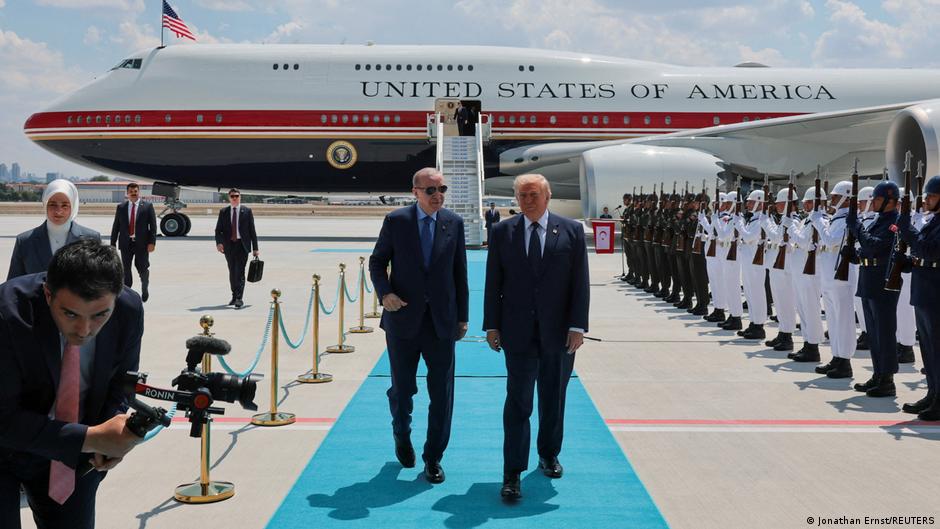
The articles in question focused on alleged security vulnerabilities associated with the new Air Force One planes, which were reportedly a gift from Qatar. Details within these reports purportedly outlined concerns regarding the aircraft's design and potential implications for presidential security. The specific nature of the information that prompted the subpoenas has not been fully disclosed, but it appears to relate to the sources and methods used in gathering the intelligence for these reports.
Journalists often rely on confidential sources to obtain information that is in the public interest, especially when reporting on sensitive matters such as national security. The protection of these sources is a cornerstone of journalistic ethics and is frequently defended as essential for a free and independent press. Subpoenas targeting journalists for their reporting can, therefore, be seen as attempts to compel the disclosure of such sources, which many argue could have a chilling effect on investigative journalism.
Implications for Press Freedom
The issuance of subpoenas to journalists in the United States invariably ignites debates about the First Amendment's protection of a free press. Critics of such actions often contend that they can intimidate reporters and their sources, potentially hindering the public's access to crucial information. The ability of the press to scrutinize government operations, including those related to national security, is considered vital for democratic accountability.
Historically, there have been numerous instances where administrations have sought to identify journalistic sources, often citing national security imperatives. However, press freedom organizations consistently argue that an overly aggressive approach can undermine the very principles of transparency and public oversight that underpin a democratic society. The balance between national security interests and the public's right to know is a complex and frequently contested area of law and public policy.
Previous Administration's Stance on Media
The Trump administration's relationship with the media was frequently characterized by tension and public criticism. Throughout his presidency, Donald Trump often labeled news organizations as 'fake news' and 'enemies of the people,' contributing to an environment where the role and credibility of journalists were routinely questioned. This historical context adds another layer to the current situation, as it informs the perception of actions taken against members of the press during that period.
Critics argued that the rhetoric employed by the administration could embolden actions that might restrict journalistic activities, such as the issuance of subpoenas. Supporters of the administration, conversely, might argue that such measures were necessary to protect classified information or national security interests. This divergence of views underscores the polarized nature of the media landscape during that time.
Legal and Ethical Considerations
From a legal standpoint, the First Amendment provides robust, though not absolute, protection for the press. Courts have often grappled with cases involving journalists' subpoenas, attempting to balance the public interest in a free press with other governmental interests, such as law enforcement or national security. Many states have 'shield laws' that offer some protection to journalists from being compelled to reveal their sources, but there is no federal shield law, making the situation more precarious for reporters covering federal issues.
Ethically, journalists are generally bound by codes of conduct that prioritize protecting confidential sources. Revealing a source can not only damage a reporter's credibility but also deter future sources from coming forward, thus impeding the flow of information to the public. The decision to comply with a subpoena or resist it often involves significant personal and professional risks for the journalists involved.
Potential Outcomes
The outcome of these subpoenas could range from the journalists being compelled to testify and reveal sources, to the subpoenas being quashed by a court. The legal proceedings could be protracted and may involve significant legal challenges from The New York Times and press freedom organizations. The resolution of this case will likely have implications for how similar situations are handled in the future, potentially setting precedents for the treatment of journalists reporting on sensitive governmental matters.
The broader impact could extend to how news organizations approach national security reporting, potentially leading to increased caution or, conversely, a renewed commitment to defending press freedoms. The unfolding of this legal challenge will be closely watched by those concerned with the intersection of media, government, and the law.
Source: Original Article