
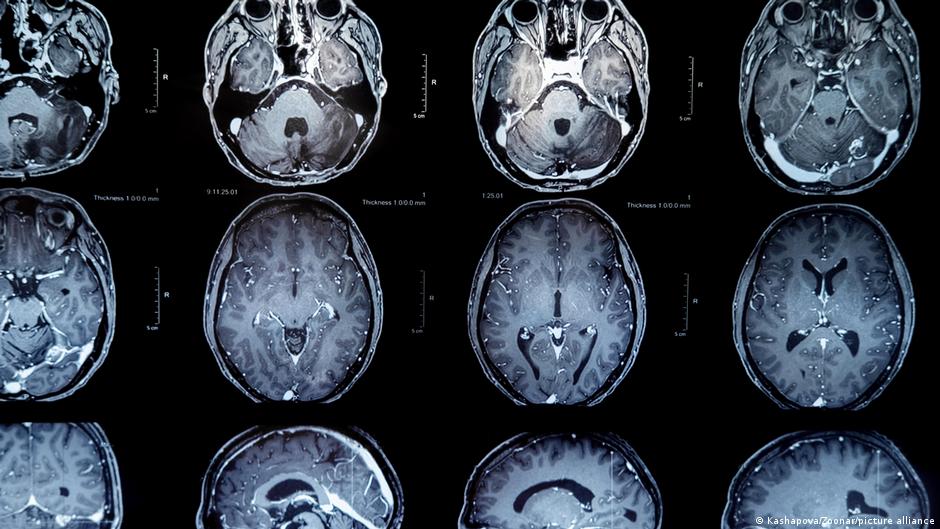
Advances in Brain Tumor Treatment
Brain tumors, particularly aggressive forms like high-grade astrocytomas, present significant challenges in medical treatment. Despite surgical intervention, followed by conventional therapies such as chemotherapy and radiation, these tumors frequently recur, leading to a grim prognosis for many patients. However, recent research into a novel therapeutic vaccine offers a new avenue of hope, suggesting the possibility of slowing disease progression and extending patient lifespans.
The Challenge of Aggressive Brain Tumors
Aggressive brain tumors are notoriously difficult to manage. Even when surgeons can operate, complete removal of the tumor is often not achievable due to their intricate location and invasive nature. For individuals diagnosed with these aggressive tumor types, the typical survival period post-diagnosis is often less than five years. This underscores the urgent need for more effective and enduring treatment strategies.
Breakthrough Study and Promising Outcomes
A collaborative research effort involving institutions such as the German Cancer Research Center, University Medical Center Mannheim, and Heidelberg University Hospital, has yielded compelling results. The study involved 33 patients who, in addition to standard treatments, received a novel vaccine. Eight years following the initial treatment, the research team published their long-term follow-up findings in the journal Nature, providing grounds for cautious optimism.
The study revealed that an impressive 66% of the participants were still alive after eight years. Furthermore, in 42% of these patients, the tumor had not re-emerged during this extended period. Dr. Michael Platten, a lead author of the study and director of the Department of Neurology at University Medical Center Mannheim, expressed surprise at the sustained absence of tumor recurrence in such a significant proportion of patients over such a prolonged timeframe.
Understanding Therapeutic Vaccines
Unlike conventional preventive vaccines, which aim to avert disease onset or mitigate its severity (such as those for measles or COVID-19), therapeutic vaccines function differently. Their primary goal is to actively eliminate existing tumors by stimulating the body's immune system. The vaccine developed by Dr. Platten's team specifically targets a unique genetic mutation found exclusively in certain brain tumors.
All 33 participants in the study had high-grade astrocytomas, which are aggressive brain tumors known for their high probability of recurrence after initial treatment. These tumors are among the most common types affecting the central nervous system, which encompasses both the brain and spinal cord. Astrocytomas are classified into four grades based on their aggressiveness, with grades three and four being particularly virulent. The vaccine specifically targets a shared genetic mutation present in these higher-grade tumors.
Targeting the Tumor's Weakness
The German Cancer Research Center explained that this specific genetic error leads to a substitution of an amino acid within the IDH1 enzyme. This alteration creates a novel protein structure, termed a 'neoepitope.' What makes this neoepitope a crucial target is its dual nature: it not only fuels tumor growth but is also recognized as foreign by the patient's immune system. This characteristic makes it an ideal candidate for immunotherapy.
The vaccine tested in the study was designed to activate the immune system in two distinct ways. It stimulated the production of T cells, which are immune cells capable of directly attacking abnormal cells. Concurrently, it also prompted the generation of B cells, responsible for producing antibodies specifically against the tumor. Dr. Platten articulated the vaccine's objective: to prevent tumor recurrence following the completion of conventional treatments like radiochemotherapy.
Expert Perspective and Future Outlook
Dr. Ulrich Herrlinger, director of neuro-oncology at University Hospital Bonn, who was not involved in the study, views these findings as a significant advancement for patients. He highlighted that high-grade astrocytomas typically have an 'almost 100% likelihood of returning, continuing to grow, and eventually becoming untreatable.' The precise causes of these tumors remain unknown, making research like Dr. Platten's even more vital. Dr. Herrlinger expressed optimism, stating that maintaining a permanently active immune system could offer long-term suppression of the tumor.
Despite the encouraging results, both Dr. Herrlinger and Dr. Platten advocate for cautious interpretation of the data, emphasizing that definitive conclusions cannot be drawn from a study involving only 33 patients. Consequently, a larger, controlled, randomized study is already in the planning stages. This follow-up study, projected to involve over 200 patients, is slated to commence in March 2027. Dr. Platten anticipates a period of approximately nine years before reliable results from this comprehensive study will be available. This larger trial will be crucial in determining the vaccine's true efficacy and whether booster shots can further enhance the immune response. Nevertheless, Dr. Platten maintains that the current study provides ample reason for cautious optimism, reminding us that hope is a valuable commodity for those battling serious illnesses.
Source: Original Article