Syria's Reinstatement at OPCW
The Organization for the Prohibition of Chemical Weapons (OPCW) has reinstated Syria's voting rights, citing a 'change in circumstances' as the primary reason for this decision. This marks a significant shift for Syria, which had been a member of the OPCW since 2013 but lost its voting privileges in 2021 due to unresolved issues regarding chemical weapons use.
Background on Syria's Membership
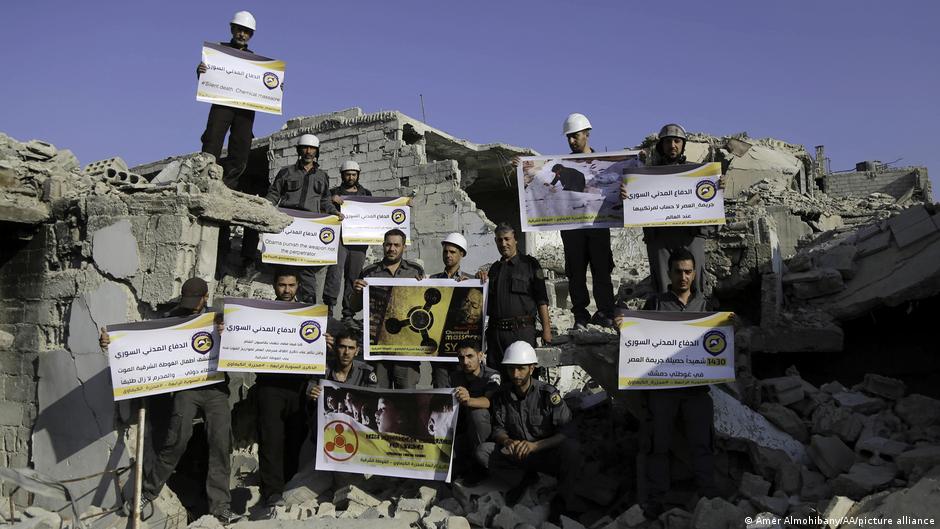
Syria's journey with the OPCW began in 2013 when it joined the organization amid international pressure to dismantle its chemical weapons arsenal. This step was part of a broader agreement to eliminate its chemical weapons following reports of their use during the ongoing conflict within the country. However, in 2021, the OPCW suspended Syria's voting rights after investigations found evidence of chemical weapons use that contradicted Syria's declarations.
Reasons for Reinstatement
The OPCW's decision to restore Syria's voting rights stems from what the organization describes as a 'change in circumstances,' although specific details regarding these changes were not disclosed in the announcement. The move suggests some level of compliance or progress on Syria's part in addressing the concerns previously raised by the OPCW.
Implications of the Decision
The reinstatement of Syria's voting rights at the OPCW could have several implications. It may indicate an improvement in Syria's cooperation with international norms concerning chemical weapons. Additionally, it allows Syria to participate more fully in discussions and decisions within the OPCW, potentially influencing future policies and actions of the organization.
International Reactions
Reactions to Syria's reinstatement are likely to be mixed. Some member states may view this as a positive step towards normalization and compliance, while others may remain skeptical, given the previous allegations and evidence of chemical weapons use. The decision underscores the complexities of international diplomacy and the challenges of ensuring compliance with arms control agreements.
Source: Original Article