Typhoon Bavi Makes Landfall in China After Regional Impact
Typhoon Bavi, a powerful storm that originated as a super typhoon, has left a trail of destruction across several Asian nations. After impacting the Philippines, Taiwan, and Japan, the typhoon made landfall in China's eastern Zhejiang province on a recent Saturday. This event marks the second significant typhoon to affect China within a little over a week, prompting extensive emergency measures and evacuations across the region.
Chinese state media reported that over 1.7 million individuals were evacuated in preparation for Bavi's arrival. Following its landfall, the typhoon is projected to continue its trajectory northwestward inland, with its intensity expected to gradually diminish. The widespread preemptive actions underscore the serious threat posed by such severe weather phenomena.
Significant Disruptions and Damage in Taiwan
Taiwan experienced substantial effects from Typhoon Bavi, with widespread power outages and necessary evacuations. According to reports from DW's Taiwan correspondent, Rik Glauert, the typhoon necessitated the relocation of more than 10,000 people from areas susceptible to landslides. Furthermore, an estimated 150,000 households were left without electricity as the storm passed.
In response to the severe weather conditions, authorities in Taiwan canceled over 1,100 domestic and international flights, leading to considerable travel disruption. Schools and offices were also closed for two days, effectively bringing much of daily life to a standstill. Although Bavi had been downgraded from its super typhoon status as it moved westward, its impact on the capital, Taipei, remained significant. Glauert noted that the city was battered by winds exceeding 100 kilometers per hour and received more than a meter of rainfall. These conditions resulted in fallen trees, damaged power lines, swollen rivers, and localized flooding across the capital, highlighting the typhoon's enduring force even after a reduction in its classification.
Power Outages and Travel Halt in Japan
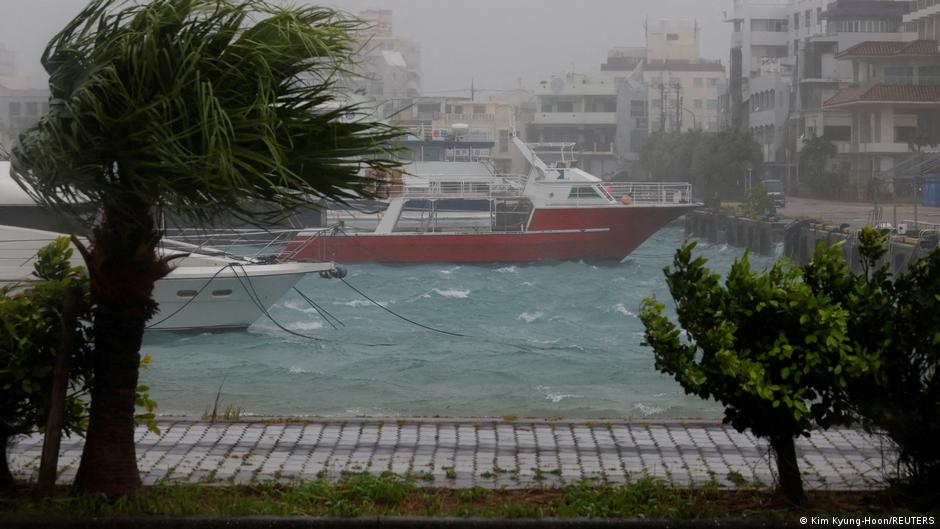
Japan's southern islands, particularly the Sakishima island chain within Okinawa prefecture, also bore the brunt of Typhoon Bavi's powerful winds and heavy rains. The storm brought sustained winds reaching 144 kilometers (90 miles) per hour, causing significant disruption and damage. More than 24,000 households in the affected areas experienced power outages, underscoring the typhoon's impact on critical infrastructure.
Transportation services were severely affected, with 345 flights canceled and ferry services suspended, particularly in popular tourist destinations like Ishigaki. These measures were crucial for public safety but resulted in considerable inconvenience for residents and travelers. The suspension of air and sea travel effectively isolated some of the islands during the storm's passage, demonstrating the extensive reach of Bavi's influence across the Japanese archipelago.
Deadly Landslides and Flooding in the Philippines
Before impacting China, Taiwan, and Japan, Typhoon Bavi, which originated as a super typhoon over the US Pacific territories of Guam and the Northern Marianas, first brought devastating floods and landslides to the Philippines. The southern island of Mindanao was particularly hard-hit, experiencing significant loss of life and widespread displacement.
The Philippine meteorological agency reported that at least 17 people died as a direct result of the storm, with an additional nine individuals reported missing. Among the fatalities, ten people perished in a landslide that occurred in the town of Malapatan, located in Sarangani province. Two more individuals drowned in Bukidnon province, while another five lost their lives in a landslide in Lanao del Sur. The agency also confirmed that at least four people sustained injuries in various landslide incidents.
The human toll extended beyond casualties, with over 500,000 people affected by the typhoon's destructive force. More than 11,000 individuals were forced to abandon their homes, seeking refuge from the widespread flooding and the threat of further landslides. The initial impact of Typhoon Bavi in the Philippines highlights the vulnerability of communities to extreme weather events and the urgent need for robust disaster preparedness and response mechanisms in the face of increasingly severe climatic patterns.
Source: Original Article