Supreme Court Upholds Birthright Citizenship, Easing Concerns for Indian Immigrants
The United States Supreme Court's recent affirmation of birthright citizenship has provided significant reassurance to thousands of Indian families residing in the US. This decision, which maintains that children born on American soil are citizens irrespective of their parents' immigration status, offers a degree of stability for a community often navigating complex and lengthy immigration processes. The ruling effectively blocks an executive order proposed by former President Donald Trump, which sought to deny automatic citizenship to children born to parents who were in the US illegally or on temporary visas.
For many Indian professionals, such as Rajesh, a software engineer who moved to the US from Bengaluru in 2016 on an H-1B visa, and his wife Neha, the ruling was a moment of profound relief. Their six-year-old daughter, Aanya, born in the US, retains her American citizenship, a fundamental right that had been subject to recent political debate. "It was a relief," Neha shared, expressing the anxiety that had surrounded the issue. Rajesh added, "We're happy our daughter's future is protected, but we're still living one visa renewal at a time." This sentiment highlights that while the birthright citizenship issue has been addressed, the broader challenges of immigration, particularly the protracted wait for employment-based green cards, persist for many.
The Indian Diaspora in the US: Demographics and Immigration Hurdles
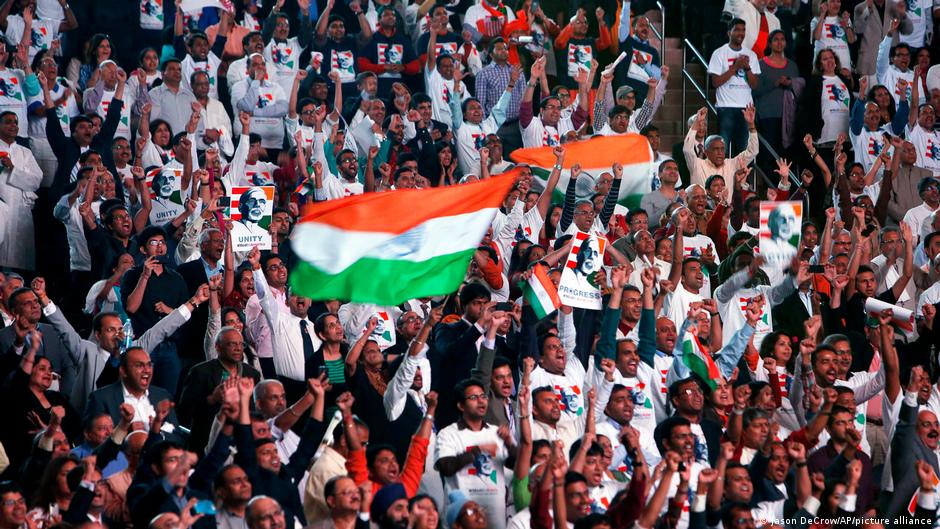
Indians represent the second-largest Asian-origin group in the United States, following Chinese Americans. According to a May 2025 Pew Research Center fact sheet, approximately 5.2 million people of Indian origin resided in the US in 2023, constituting about 21% of the country's Asian-origin population. This demographic is a significant recipient of H-1B visas, a program designed to allow US companies to employ skilled foreign workers. Despite their substantial contributions to the American economy and tax base, Indian professionals face some of the longest waiting periods for employment-based green cards due to per-country caps on permanent residency.
Chintan Patel, executive director of Indian American Impact, a civic and political advocacy organization, emphasized the ruling's significance. "The ruling is a profound affirmation of who belongs in America," Patel stated, noting that Indian and South Asian immigrant families were among those most directly impacted by the proposed changes to birthright citizenship. He highlighted the precarious position of these communities, who often face extensive visa backlogs and uncertain immigration timelines, with children frequently born in the US long before their parents achieve permanent residency.
Addressing One Challenge, Many Remain
While the Supreme Court's decision safeguards the citizenship of hundreds of thousands of children born to Indian parents on temporary work visas, granting them US passports and social security numbers, it only partially addresses the complex immigration landscape for these families. The core issue for many Indian professionals remains the substantial backlog for employment-based green cards. Estimates suggest over a million Indians are awaiting permanent residency, with some facing decades-long waits. This situation creates significant instability, as workers are often hesitant to change employers for fear of jeopardizing their status. Spouses may also encounter restrictions on employment, and children who arrived as dependents risk losing their legal status upon turning 21 if their parents have not yet secured permanent residency, a phenomenon known as "aging out."
Rajkrishna S. Iyer, a US immigration attorney specializing in employment and family-based immigration, underscored the constitutional principle affirmed by the ruling. "The ruling reinforces the longstanding constitutional principle that anyone born in the US is a citizen, irrespective of their parents' immigration status," Iyer explained. "For Indian H-1B families, it means their children continue to acquire US citizenship at birth."
The Political Divide and Misconceptions
The debate over birthright citizenship exposes a significant political fault line in American society. Critics of automatic birthright citizenship, including former President Trump and many conservatives, argue that it incentivizes what they term "birth tourism," where foreign nationals allegedly travel to the US solely to give birth and secure American citizenship for their children. However, Iyer clarified that this objection typically does not apply to H-1B visa holders, who are legal workers contributing to the tax base and are generally not perceived as a burden on public resources. He distinguished between individuals who circumvent the legal system and those, like H-1B holders, who enter the country lawfully.
Immigration lawyers also emphasize a crucial distinction: children born in the US cannot sponsor their parents for permanent residency until they reach the age of 21. This means birthright citizenship does not offer an immediate path to legal status for parents. Legal experts differentiate between rare instances of organized birth tourism and the circumstances of families who have lived and worked legally in the US for years on employer-sponsored visas. Karan Thukral, a lawyer based in New Delhi, noted that Indian professionals often find themselves caught in a debate primarily aimed at undocumented immigration. "The ruling removes one major layer of uncertainty for Indian H-1B families," Thukral stated. "It does not change the reality of decades-long green card waits or life on temporary visas."
A Reassurance, Not a Complete Resolution
The Supreme Court's decision, while providing crucial reassurance, does not signify the end of the legal and political battles surrounding birthright citizenship. Former Indian envoy to the US, Meera Shankar, views the ruling as a relief rather than a definitive resolution. She acknowledged that while it places children born in the US on firm legal footing, the broader environment for immigrants in the US under recent administrations has become less welcoming. This shift, Shankar suggested, might prompt highly skilled Indians to reconsider their choice of the US as a primary destination for their professional ambitions.
The ruling highlights the ongoing complexities and uncertainties within the US immigration system, particularly for skilled professionals who contribute significantly to the nation's economy. While their American-born children's citizenship is now secure, the path to permanent residency for the parents remains a long and arduous journey.
Source: Original Article