Overview of Recent Developments
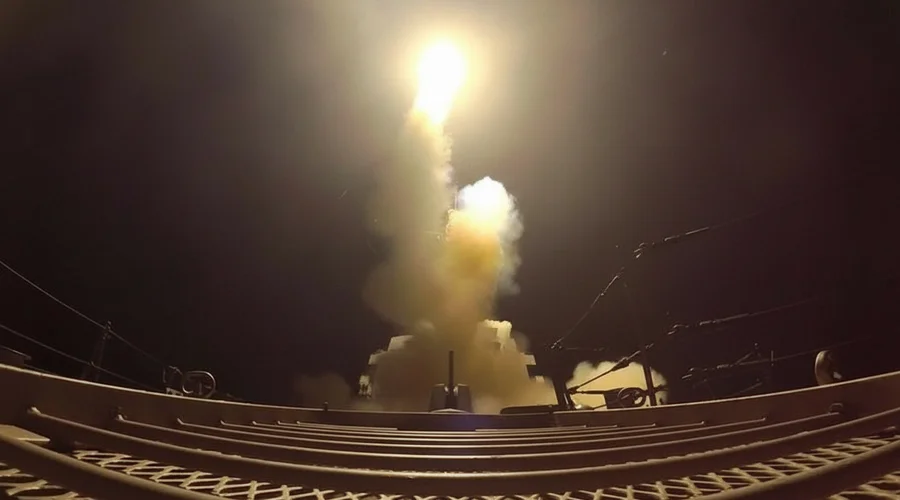
In a significant escalation of regional tensions, the United States military has confirmed it carried out fresh strikes in a strategic maritime area close to the Strait of Hormuz. These military operations, according to official US statements, were specifically designed to weaken Iran's capability to launch assaults on commercial vessels traversing this critical global shipping lane. The US asserts that these actions are a direct response to perceived threats to international maritime commerce and stability in the Middle East. This series of events follows a period marked by increased friction and retaliatory measures from both sides, with Iran reportedly targeting nations allied with the United States in the broader region.
Strategic Importance of the Strait of Hormuz
The Strait of Hormuz, a narrow waterway connecting the Persian Gulf with the Arabian Sea and the open ocean, holds immense geopolitical and economic significance. It is one of the world's most vital chokepoints for oil transit, with a substantial portion of the global petroleum supply passing through it daily. Any disruption to shipping in this strait can have profound implications for international energy markets and the global economy. Consequently, the presence and activities of naval forces from major powers, including the United States and Iran, are closely monitored, and any military action in its vicinity inevitably draws international attention and concern.
The current situation is characterized by a complex interplay of military maneuvers, diplomatic rhetoric, and economic pressures. The US has consistently articulated its commitment to ensuring freedom of navigation in international waters, including the Strait of Hormuz, viewing any threat to commercial shipping as a challenge to global economic stability. Conversely, Iran views the presence of US military assets in the region with suspicion, often interpreting it as an encroachment on its sovereignty and a destabilizing factor. This fundamental divergence in perspectives contributes significantly to the persistent tensions.
US Justification for Military Action
According to statements from the US military, the recent strikes were preemptive or defensive in nature, intended to 'degrade' Iran's operational capacity to interfere with or attack commercial ships. This objective suggests a strategy aimed at reducing Iran's ability to project power or exert influence over maritime traffic through hostile actions. Such actions could include the deployment of naval mines, missile attacks, or the use of fast attack craft against commercial tankers. The US has not specified the exact nature of the targets struck, but the general aim indicates a focus on infrastructure or capabilities deemed instrumental to Iran's potential for maritime aggression.
The terminology 'degrade' implies a strategic effort to diminish, rather than eliminate, certain capabilities. This approach might be intended to signal a firm response without necessarily escalating to a broader conflict. However, the very act of conducting strikes carries inherent risks of miscalculation or unintended escalation, particularly in a region as volatile as the Middle East. International observers are closely watching to see how these actions will influence the balance of power and the trajectory of diplomatic efforts, if any, to de-escalate the situation.
Iranian Retaliation and Regional Dynamics
In response to perceived provocations and military actions, Iran has reportedly engaged in retaliatory measures, targeting US allies in the region. These actions, while not always directly confronting US forces, serve to demonstrate Iran's capacity for asymmetric warfare and its willingness to respond to pressures. The nature of these retaliatory actions can vary widely, ranging from cyberattacks to support for proxy groups, or direct military actions against shipping or infrastructure belonging to US-aligned nations. Such responses underscore the interconnectedness of regional conflicts and the potential for a localized incident to ripple across the broader Middle East.
The involvement of US allies further complicates the regional security landscape. Nations like Saudi Arabia, the United Arab Emirates, and others in the Gulf Cooperation Council (GCC) are deeply invested in the security of maritime routes and are often caught in the crossfire of US-Iran tensions. Their security concerns and their responses to Iranian actions play a crucial role in shaping the regional dynamic. The US, in turn, often cites its commitments to these allies as a justification for its military presence and actions in the area.
International Implications and Future Outlook
The latest military actions near the Strait of Hormuz have drawn international attention, raising concerns about the potential for wider conflict. Global powers and international organizations are likely to call for restraint and de-escalation, emphasizing the need for diplomatic solutions to resolve the underlying issues. The economic ramifications of any prolonged instability in the Strait of Hormuz would be significant, affecting global energy prices and supply chains.
The situation remains fluid, with each action and reaction contributing to a complex and unpredictable environment. The long-term stability of the region hinges on the ability of all parties to navigate these tensions without resorting to further military escalation, while also addressing the root causes of mistrust and conflict. The international community continues to monitor these developments closely, hoping for a peaceful resolution that ensures the security of global commerce and regional stability.
Source: Original Article