United States Signals Intent for USMCA Revisions
The United States has announced its decision not to renew the US-Mexico-Canada Agreement (USMCA) in its current form, a move that is expected to trigger extensive negotiations with its North American trading partners. U.S. Trade Representative Jamieson Greer confirmed this development, stating that the U.S. intends to engage with Mexico and Canada to address deficiencies within the agreement and tackle existing trade deficits.
Despite the non-renewal by the specified deadline, the USMCA remains operational for an additional decade. However, it will now be subject to annual reviews, a change that introduces the potential for prolonged and intricate discussions covering a wide array of trade-related issues, from tariffs to sector-specific regulations. This shift is likely to introduce a degree of uncertainty for key U.S. industries, including automotive manufacturers and agricultural producers, who rely heavily on the stable and integrated supply chains fostered by the existing agreement.
Trump Administration Seeks Changes to Its Own Trade Deal
The decision by the administration of U.S. President Donald Trump was largely anticipated, as the president has expressed a desire to re-evaluate trade relations with the Uniteds States' two largest trading partners. During his initial term, Trump was instrumental in negotiating and championing the USMCA, presenting it as a superior alternative to the North American Free Trade Agreement (NAFTA), which he frequently criticized for allegedly leading to the offshoring of American jobs.
Upon signing the USMCA into law in January 2020, President Trump lauded it as the “largest, fairest, most balanced, and modern trade agreement ever achieved,” promising it would deliver “jobs, wealth, and growth.” Yet, merely six years later, Trump indicated in June that he was “not looking to renew” the pact, and has even suggested the possibility of withdrawing from it entirely, although such an outcome is generally considered improbable.
Understanding the USMCA's Framework and Impact
The USMCA, largely built upon the foundations of NAFTA, restructured supply chains through the implementation of more stringent rules of origin. For instance, it mandated that 75% of automotive components must originate within North America to qualify for zero tariffs. The agreement also facilitated improved market access for U.S. farmers in Mexico and Canada, alongside provisions designed to safeguard intellectual property and regulate digital trade.
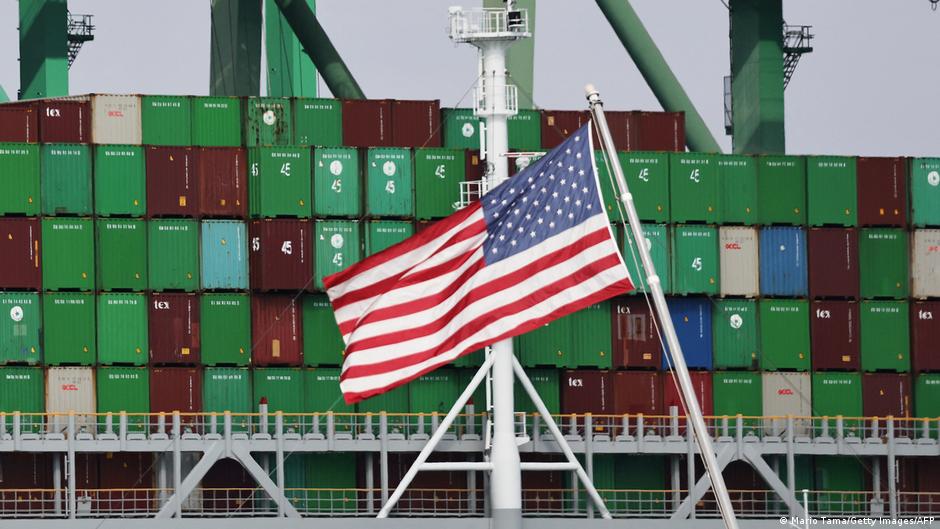
This regulatory stability played a significant role in stimulating a substantial increase in intra-North American trade, elevating Mexico and Canada above China as the United States' primary trading partners. The integration of supply chains and the heightened exchange of goods and services across North America contributed to a trade volume nearing $2 trillion in 2024.
However, in his second term, President Trump has adopted a less favorable view of the agreement, labeling it “irrelevant” and criticizing what he perceives as loopholes that could allow non-member countries, such as China, to benefit from zero tariffs. The U.S. has articulated a desire to increase domestic automobile production and resolve ongoing disputes, such as Canada's protectionist policies within its dairy industry. Critics, however, warn that such changes could potentially lead to higher vehicle costs for consumers.
Furthermore, President Trump has previously imposed substantial tariffs on goods from Canada and Mexico, even while making specific exemptions for items covered under the USMCA.
Upcoming Negotiations and Anticipated Outcomes
U.S. Trade Representative Greer announced that the three nations are scheduled to hold a third round of discussions in Mexico City on July 20. A senior official within the Trump administration, speaking to Reuters news agency, indicated that these talks are likely to focus on strengthening North American rules of origin for automobiles and other manufactured goods.
Mexican Secretary of Economy Marcelo Ebrard expressed optimism regarding the upcoming negotiations, stating in a press conference, “There isn’t any difference I can see that is too substantial for us to not resolve it.” He added, “We’re in no rush, but we also don’t want any uncertainty, which is why we need to try to reach an agreement on many issues we’ve been working on for months — issues that could change one day to the next.” Ebrard participated in a virtual meeting with Greer and Dominic LeBlanc, the Canadian minister responsible for U.S.-Canada trade, prior to these statements.
Conversely, Canadian Prime Minister Mark Carney, speaking ahead of the virtual meeting, expressed a more cautious outlook, stating he did not anticipate an agreement to be reached immediately. “I’m not looking for my pen,” he remarked, further emphasizing that his primary objective is to modernize the existing deal rather than seeking a hasty resolution.
Source: Original Article