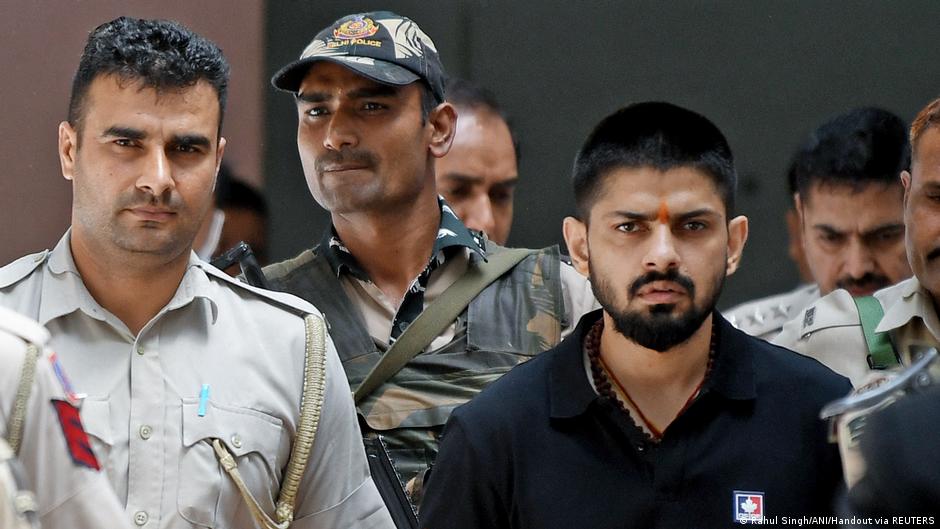
Overview of the Indictment
In a significant development, authorities in the United States have formally charged Lawrence Bishnoi, an individual currently incarcerated in India, for his alleged involvement in the murder of Hardeep Singh Nijjar. Nijjar, a prominent Sikh separatist figure, was assassinated in June 2023 in Surrey, British Columbia, Canada. This indictment underscores the international dimension of the investigation into Nijjar's death, which has previously been a source of considerable diplomatic tension between India and Canada.
Background of the Assassination
Hardeep Singh Nijjar, a Canadian citizen born in India, was a vocal advocate for an independent Sikh state, Khalistan, in India. He served as the president of the Guru Nanak Sikh Gurdwara in Surrey and was a leader within the Sikh community in Canada. Indian authorities had designated Nijjar as a terrorist, alleging his involvement in various militant activities. His assassination sent shockwaves through the Sikh diaspora and led to immediate accusations from Canadian Prime Minister Justin Trudeau, who publicly stated that there were credible allegations linking agents of the Indian government to Nijjar's killing. India vehemently denied these allegations, describing them as "absurd" and "motivated."
Diplomatic Fallout Between India and Canada
The accusations made by Canada triggered an unprecedented diplomatic crisis between the two nations. Both countries expelled senior diplomats, and Canada temporarily withdrew some of its diplomatic staff from India, citing safety concerns. Trade negotiations, which had been ongoing, were also significantly impacted. The incident highlighted the complexities of international relations and the sensitivities surrounding issues of national security, sovereignty, and the rights of diaspora communities. The lack of a clear, publicly accepted resolution to the allegations has continued to cast a shadow over bilateral ties.
Lawrence Bishnoi's Alleged Role
Lawrence Bishnoi is a well-known figure in India's criminal underworld, facing numerous charges related to extortion, murder, and organized crime. He is currently imprisoned in India. The US indictment suggests that Bishnoi, despite his incarceration, maintained the capacity to orchestrate criminal activities, including the alleged plot against Nijjar. Details surrounding the specific nature of his alleged involvement in Nijjar's assassination are expected to emerge as the legal proceedings in the US unfold. The US Department of Justice has not yet released comprehensive details of the evidence linking Bishnoi to the murder, but the indictment itself represents a formal accusation that will necessitate a legal response.
International Cooperation in the Investigation
The involvement of US authorities in this case points to a broader international effort to investigate Nijjar's killing. While Canada has been conducting its own investigation, the US indictment suggests that intelligence and law enforcement agencies across multiple countries may be collaborating or sharing information. This cross-border cooperation is often crucial in cases involving transnational crime and alleged state-sponsored activities. The indictment in the US could potentially provide new avenues for evidence and witness testimony that might shed further light on the circumstances of Nijjar's death and the identities of all those involved.
Implications for India-US Relations
While the immediate diplomatic fallout was between India and Canada, the US indictment introduces a new dynamic. The United States maintains significant strategic partnerships with both India and Canada. How this indictment progresses and the level of cooperation between the US and India on this matter will be closely watched. The US has previously expressed concerns about allegations of foreign interference on its soil, and this case could potentially touch upon similar themes. The situation could test the strength of these alliances and the commitment of all parties to upholding international legal norms.
Looking Ahead
The legal process following an indictment can be lengthy and complex, especially when it involves individuals in foreign jurisdictions. It remains to be seen whether Bishnoi will be extradited to the United States to face these charges, a process that would involve intricate legal and diplomatic negotiations between the US and India. The outcome of this case holds significant implications, not only for the individuals involved but also for the diplomatic relations between several key international players and the global understanding of transnational crime and alleged state-sponsored violence. The world will be observing closely as further details emerge and the legal process unfolds.
Source: Original Article