Diplomatic Overtures Amidst Geopolitical Friction
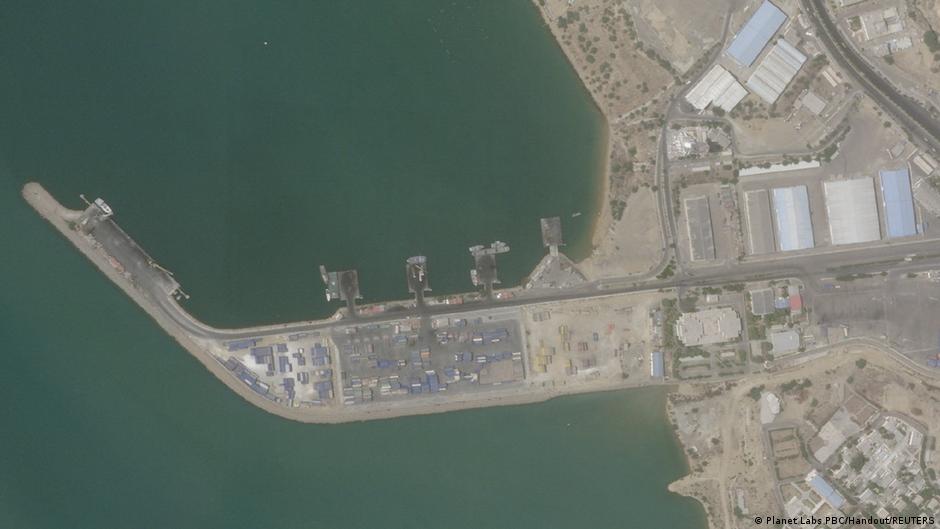
In a significant diplomatic maneuver, the United States is reportedly seeking a public assurance from Iran that it will cease all aggressive actions against vessels navigating the Strait of Hormuz. This demand comes as international attention remains fixed on the strategic waterway, which is vital for global energy supplies. The Strait of Hormuz, a narrow passage connecting the Persian Gulf with the Arabian Sea, sees a substantial portion of the world's seaborne oil pass through it daily, making its security a paramount concern for numerous nations.
The push for such a commitment from Tehran underscores ongoing efforts to de-escalate tensions in the Middle East, a region frequently characterized by intricate geopolitical dynamics. While the specifics of these diplomatic discussions remain largely undisclosed, the objective appears to be the establishment of a more stable and predictable environment for international shipping. The security of maritime routes is not merely an economic issue but also a matter of international law and the freedom of navigation, principles that many global powers uphold.
Historical Context of Strait of Hormuz Tensions
The Strait of Hormuz has historically been a flashpoint in the relationship between Iran and Western powers, particularly the United States. Incidents involving vessel seizures, attacks on tankers, and military exercises have periodically raised concerns about the free flow of commerce and the potential for broader regional conflict. These events often lead to spikes in global oil prices and increased insurance premiums for ships operating in the area, illustrating the direct economic impact of instability in the strait.
For Iran, the Strait of Hormuz represents a strategic choke point that it has, at various times, indicated a willingness to influence or even close in response to perceived threats or economic pressures, such as sanctions. This perspective often contrasts sharply with the international community's insistence on unimpeded navigation, creating a persistent source of friction. Understanding this historical context is crucial for interpreting current diplomatic initiatives and the broader strategic landscape.
Broader Geopolitical Landscape and US-Iran Relations
The reported request for a pledge from Iran occurs within a complex and often adversarial relationship between Washington and Tehran. This relationship has been marked by periods of intense confrontation, including economic sanctions imposed by the U.S. and regional proxy conflicts. The rhetoric surrounding these interactions has frequently been sharp, reflecting deep-seated disagreements on various policy issues, ranging from Iran's nuclear program to its regional influence.
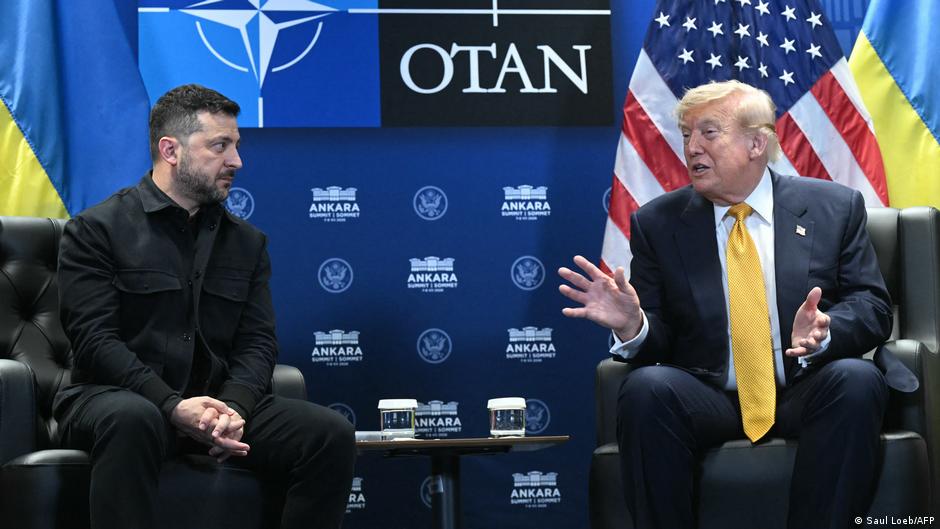
Adding to this intricate situation are statements from prominent U.S. political figures, which can further complicate diplomatic efforts. For instance, former President Donald Trump has previously issued strong warnings to Iran, including a threat to 'completely decimate' the nation should it attempt to assassinate him. Such pronouncements, whether intended as deterrents or reflections of policy, contribute to an atmosphere of uncertainty and can potentially hinder pathways for de-escalation or constructive dialogue. The interplay of direct diplomatic overtures, historical grievances, and high-level political rhetoric forms the backdrop against which any potential agreement regarding the Strait of Hormuz would be forged.
Implications for International Shipping and Regional Stability
Should Iran agree to publicly commit to halting attacks in the Strait of Hormuz, the implications for international shipping and regional stability could be substantial. Such a commitment would likely reduce the risk premium associated with maritime transport through the strait, potentially leading to lower operational costs for shipping companies and a more stable global energy market. Furthermore, it could pave the way for broader confidence-building measures between Iran and other nations, contributing to a more secure environment in the Persian Gulf region.
Conversely, a refusal or a continuation of hostile actions would likely perpetuate the current state of tension, necessitating continued naval presence by international forces and maintaining the risk of escalation. The outcome of these reported diplomatic efforts will undoubtedly be closely watched by international observers, as it holds significant weight for both economic stability and geopolitical security in one of the world's most critical maritime passages.
Source: DW