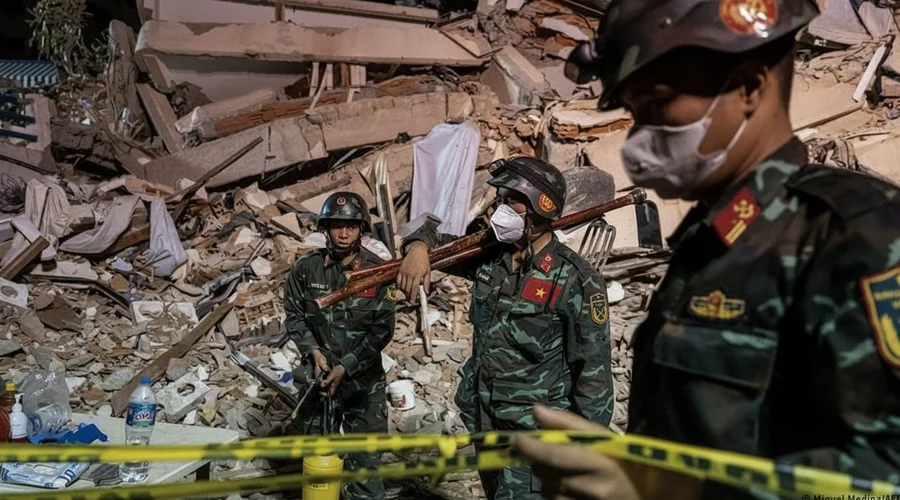
Rescue Operations Wind Down in Venezuela
International rescue teams are concluding their operations in Venezuela as the death toll from the devastating earthquakes nears 3,000. Despite efforts, the probability of finding additional survivors has significantly decreased with the critical 72-hour rescue window having passed.
As of the latest reports, at least 2,954 people have died due to the consecutive earthquakes that struck Venezuela on June 24. The quakes, measuring magnitudes of 7.2 and 7.5, hit the coastal La Guaira area, north of the capital Caracas, causing widespread destruction.
Authorities have also reported over 16,500 injuries and thousands of individuals remain unaccounted for. The United Nations estimates that as many as 50,000 people are missing.
Challenges Faced by Rescue Teams
International teams from the United States and other South American countries have begun to withdraw, with groups from Florida, Virginia, and the Los Angeles County fire department ending their missions. These teams have been acknowledged by Venezuela's acting President Delcy Rodriguez, who awarded medals to them and their rescue dogs.
Rodriguez highlighted the nation's grief, stating, "Families still hold out hope of finding loved ones alive, people who have lost everything." However, the continuation of rescue efforts has become increasingly challenging.
Government's Response Under Scrutiny
The Venezuelan government has faced criticism from citizens regarding the speed and effectiveness of its response. Many locals expressed frustration that they had to begin rescue efforts themselves in the immediate aftermath of the quakes. Concerns were raised about delays in food and medical supplies and a shortage of heavy machinery to manage the debris.
Rodriguez defended the government's actions, noting that thousands of troops and officials were deployed rapidly. Despite this, the situation remains dire, with ongoing efforts to clear collapsed structures in La Guaira.
One volunteer, Francisco Sasquia, shared, "We're still working, still searching for bodies. We found two bodies that have already been released to their families."
Continuing Humanitarian Needs
Official reports indicate that over 16,000 people are currently homeless, with many residing in official shelters or temporary tent camps. The disaster has highlighted the vulnerabilities in Venezuela's infrastructure, which was ill-prepared for such a catastrophe.
As rescue operations conclude, the focus now shifts to recovery and providing sustained support to the affected communities. The long-term impacts of the earthquakes on Venezuela's people and infrastructure remain to be seen.
Source: Original Article