Initial Perceptions of World Cup Reception in the US
As the World Cup unfolded, questions arose regarding the level of engagement and excitement it would generate in the United States, a co-host nation. Early observations from various BBC Sport journalists stationed across the country indicated a slow start, with other major sporting events, particularly the NBA finals and the New York Knicks' championship run, initially overshadowing the global football tournament.
"I landed in New York on the same day as game three of the NBA finals, so in my first week in the USA covering the tournament, it was New York Knicks fever, not World Cup fever." - John Bennett, BBC World Service
Reporters like Ian Dennis and Sam Harris noted a subdued atmosphere in the initial days, particularly in cities like New York and Los Angeles, where promotional efforts for the World Cup seemed minimal compared to other local interests. Liz Conway, while cautiously optimistic, observed a stark contrast between the vibrant atmosphere in Mexico City during the opening stages and the more reserved build-up in the US, partly attributed to concerns over security and political matters.
Shifting Tides: Growing Enthusiasm as the Tournament Progresses
However, as the tournament advanced, a significant shift in public sentiment became apparent. Journalists reported a surge in interest and participation across various host cities.
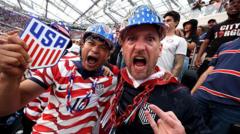
- Diaspora Communities: John Bennett highlighted the crucial role of diaspora communities, whose passionate support for their home nations brought a vibrant energy to fan events and stadiums.
- Fan Zones and City-wide Celebrations: Liz Conway, Sam Harris, and Gary Rose all remarked on the impressive fan zones and the spontaneous celebrations that erupted, particularly as the US men's team performed well. Cities like Philadelphia, Boston, and Seattle transformed into hubs of activity, with streets closing for post-game festivities and bars showing matches to eager crowds.
- Local Adoption: Alex Howell observed that Kansas City had fully embraced the World Cup, with local businesses and residents showing keen interest.
Gary Rose summarized the change, stating, "Someone told me that Americans don't really do build up to sporting events but once they are underway they go all in. That has been the case."
Varied Experiences Across Host Cities
While the overall trend pointed towards increasing enthusiasm, the intensity of the 'World Cup fever' varied by city:
- Philadelphia's Embrace: John Bennett lauded Philadelphia as one of the most welcoming and atmospheric host cities, noting the massive turnout at fan festivals and the strong support for participating nations.
- Boston's International Flavor: Ian Dennis recalled the memorable presence of Scottish and Norwegian fans in Boston, highlighting the city's ability to host diverse fan bases.
- Houston's Spread-out Vibe: Sam Harris noted that Houston, due to its expansive nature, presented a different experience, with the World Cup buzz being less readily apparent away from the stadiums.
- LA, Seattle, and Vancouver's Immersion: Gary Rose reported that Los Angeles, Seattle, and Vancouver had fully immersed themselves in the tournament, utilizing iconic locations for fan zones and creating celebratory atmospheres post-games.
Overall Atmosphere and Impact
Despite initial concerns about ticket prices and potential visa issues affecting fan attendance, the atmosphere inside stadiums was largely described as vibrant and comparable to previous World Cups. Journalists noted the significant contribution of both international traveling fans and local diaspora communities in creating a lively environment.
"The atmosphere has been fantastic. I think Americans have really embraced having so many international football fans descend on their cities." - Liz Conway, BBC Sport journalist
Neil Johnston observed full stadiums across multiple cities and highlighted the friendly interactions between rival fans. The World Cup has been characterized by its noise, color, and festive spirit, transcending initial skepticism and fostering a widespread appreciation for the sport.