The Unifying Power of Global Sport
The global spectacle of the World Cup, a quadrennial event that captivates billions, extends its influence far beyond the athletic contests on the field. While the thrill of competition and the display of athletic prowess are central, experts suggest that the tournament plays a crucial role in enhancing mental well-being by cultivating a powerful sense of community and shared experience.
Clinical psychologist Katie Wood, associated with Swinburne University in Melbourne, emphasizes the profound impact of collective moments, such as those witnessed during World Cup viewing parties. She notes, "The greatest protective factor for our mental health is connectedness—the connection to ourselves, to other people, to our community, and to our culture." According to Wood, sports, particularly an event of the World Cup's magnitude, inherently facilitate these vital connections, bringing individuals together in a unique and often spontaneous manner.
Spontaneous Bonds Across Borders
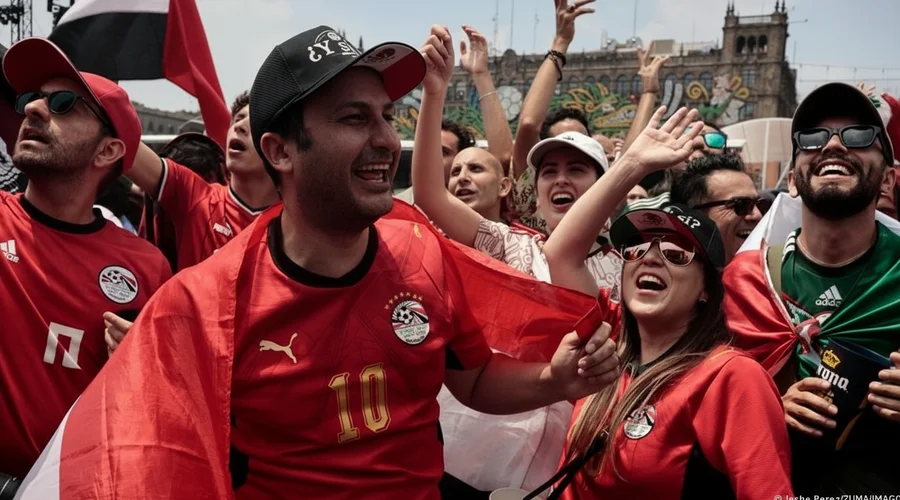
The World Cup serves as a powerful catalyst for forming unexpected bonds, transcending typical social boundaries. Instances abound where individuals from disparate backgrounds, who might otherwise never interact, find themselves united by a common passion for a team or the sport itself. This phenomenon was vividly illustrated during recent tournaments, where fans from various nations cheered alongside each other, exchanged jerseys, and formed impromptu alliances.
One compelling example occurred in Lawrence, Kansas, where the city center transformed into an impromptu public viewing area for a match involving Algeria. Due to the Algerian national team's training base in the locality, hundreds of local Americans donned Algerian jerseys, painted their faces with the national colors, and waved flags, demonstrating a remarkable embrace of a foreign team. This spontaneous display of solidarity highlights the rapid bridge-building capacity of football.
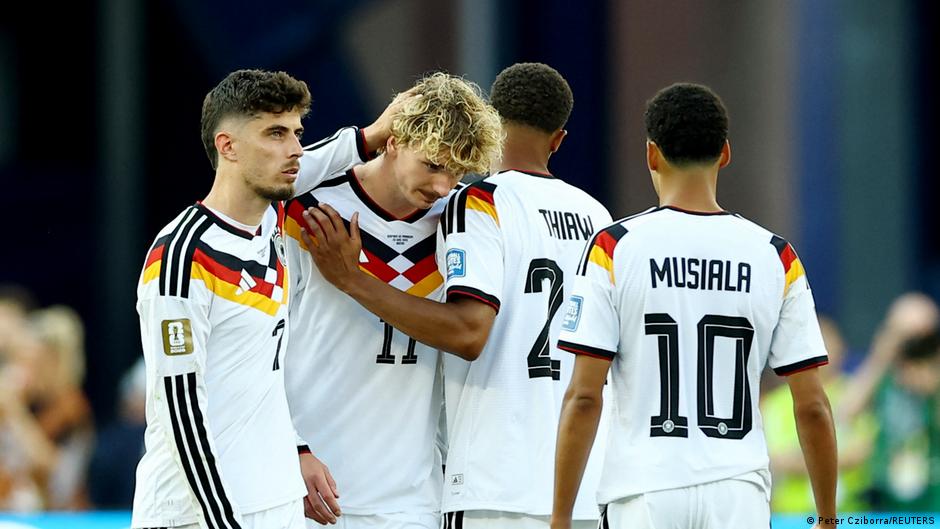
Further anecdotes reinforce this idea. Following a Round-of-16 match between Switzerland and Colombia in Vancouver, two fans were observed swapping jerseys as a memento of their shared evening. In Seattle, after the USA's elimination, a Belgian supporter was seen offering comfort to a disappointed American fan. A visitor to San Francisco recounted a particularly poignant encounter: "A man saw my jersey. He didn't know me at all. He walked up, hugged me, and simply said, 'This is the World Cup.'" These moments underscore the tournament's ability to foster immediate, empathetic connections among strangers.
Fulfilling a Fundamental Human Need
Katie Wood identifies this ability to unite diverse individuals under a common banner as the World Cup's unique strength. She explains that people from vastly different life paths can momentarily share the same emotions and goals. "You can come from vastly different walks of life. But the moment you support the same team, a collective experience with a shared goal emerges," Wood states. This collective experience taps into a fundamental human need: the desire to belong.
This sense of belonging is not exclusive to lifelong football enthusiasts. Whether someone is a seasoned fan or a first-time viewer, the shared anticipation before kickoff, the collective roar of a goal, and the mutual frustration of a defeat create a powerful communal experience. As one fan at a fan zone remarked, "No one knows what we go through as human beings day in and day out. That's why moments like these are so special." Even those without a specific allegiance often find themselves swept up in the atmosphere, as expressed by a visitor in Philadelphia: "I don't even have a team, but I've come to love watching the games."
A Healthy Escape from Daily Pressures
Beyond fostering connection, the World Cup also provides a valuable respite from the demands and stresses of everyday life. In a world often fraught with challenges, the tournament offers a healthy and engaging form of escapism. Wood explains, "When so much is happening in the world, we look for ways to escape our daily routine for a bit. And experiencing the World Cup—with all the excitement surrounding it—together with other people is a very healthy way to do that."
While the focus of the World Cup naturally gravitates towards the athletic performances and outcomes, many fans often cherish the peripheral moments and shared experiences more deeply. These interactions, the spontaneous celebrations, and the collective emotional journey frequently become the most enduring memories of the tournament, highlighting its profound impact on mental and emotional well-being.
Source: Original Article