The Evolving Threat of AI in Extremist Activities
The landscape of extremist operations is undergoing a significant transformation with the integration of Artificial Intelligence (AI) technologies. Initially, AI's primary utility for groups like the 'Islamic State' and al-Qaeda centered on generating propaganda. This included the production of videos, memes, podcasts, and various forms of disinformation, aimed at radicalizing new followers and reinforcing existing adherents' beliefs. However, recent analyses suggest a shift, with AI increasingly being leveraged for more direct operational planning and research related to potential attacks.
A report published by Tech Against Terrorism, an online watchdog supported by the United Nations counter-terrorism directorate, highlights this emerging concern. Researchers conducted over 2,300 inquiries simulating 'real terrorist use cases' across 27 different AI models. The findings revealed that 32% of these queries yielded 'genuinely usable' information. When the same questions were rephrased as being for 'research purposes,' the success rate climbed to 42%. This phenomenon, known as 'jailbreaking,' involves framing questions in a way that bypasses AI models' built-in safeguards, leading them to provide content they are programmed to disallow.
From Propaganda to Planning: AI's Expanding Role
For the past three to four years, the primary application of AI for extremist organizations has been in the realm of propaganda. This has included the creation of a wide array of digital content, from visually engaging videos and memes to informative podcasts and sophisticated disinformation campaigns. These materials are crucial for radicalization, recruitment, and maintaining group cohesion. However, experts are now noting a distinct change in how these groups are attempting to utilize AI.
According to an analysis by Militant Wire, 'The year 2025 has witnessed a notable rise in incidents where terrorists and violent extremists have leveraged AI tools to plan, research and prepare attacks.' This shift is evidenced by various incidents, including both successful attacks and foiled plots across multiple countries such as the US, Canada, Israel, Finland, France, and Austria. While specific details of AI's involvement are often withheld by security agencies, court filings and forensic reports are increasingly documenting instances where suspects have used language models to obtain bomb-making instructions, validate ideological stances, or justify planned attacks.
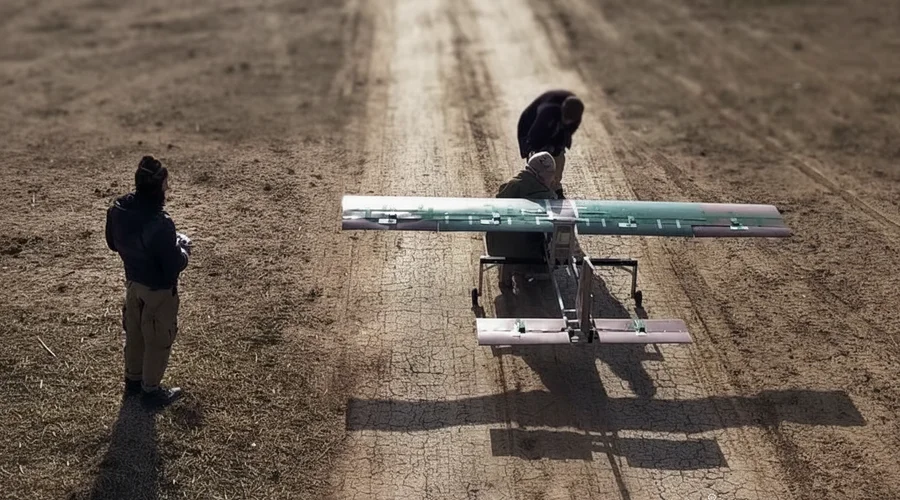
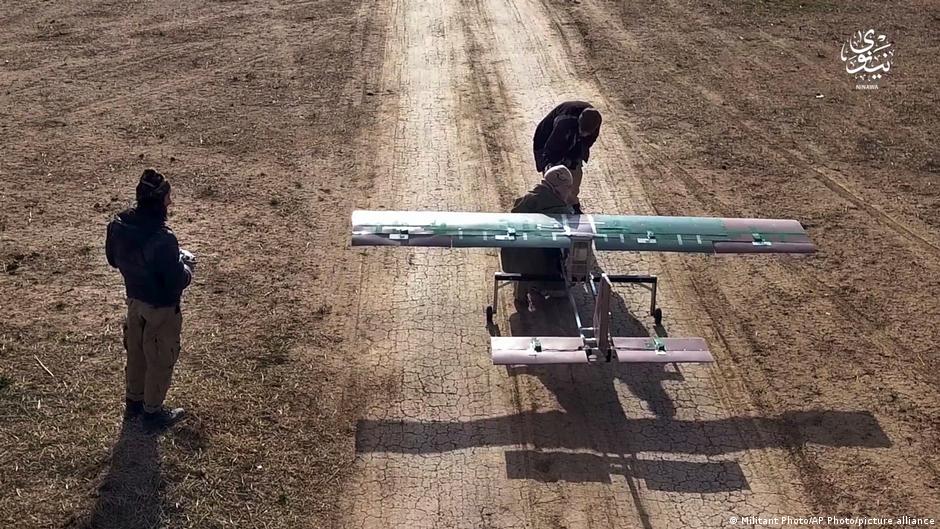
Beyond individual actors, extremist groups themselves are integrating AI into their operations. For instance, researchers observing Jama'at Nusrat al-Islam wal-Muslimin (JNIM), an al-Qaeda affiliate in Mali, believe the group has used AI to assist in modifying drones. Furthermore, security researchers Yuri Neves and Emily Klein of Moonshot, an organization dedicated to combating online threats, have observed discussions within extremist messaging channels, particularly on platforms like Telegram, regarding the strategic use of AI. These discussions include sharing AI prompts, coordinating strategies to extract desired responses from chatbots, and even cost-sharing for ChatGPT subscriptions, indicating a concerted effort to exploit these technologies.
The 'Bomb-Making Coach' and the Challenge of Regulation
The conversational nature of AI chatbots introduces a new dimension to the threat. As Adam Hadley, director of Tech Against Terrorism, points out, 'It's one thing to find a bomb-making manual, it is quite another to have a bomb-making coach.' While information on topics like bomb-making or 3D-printed guns is already available on the internet, AI models offer unparalleled speed, ease, and comprehensiveness in acquiring such knowledge. This accessibility could empower individuals who previously lacked the resources or ability to plan complex attacks, enabling them to progress much faster.
Recent research from Cambridge University, based on interviews with Boko Haram members in Nigeria, details how the group has utilized AI models such as ChatGPT, Claude, Gemini, and Grok for various operational aspects. These include planning attacks, designing explosive devices, servicing and troubleshooting weapons, and enhancing operational security. This demonstrates a sophisticated and practical application of AI by extremist organizations.
Rueben Dass, an associate research fellow at the S. Rajaratnam School of International Studies, highlights how AI chatbots are increasingly serving as 'virtual planners' for 'lone wolf' terrorists, a role previously filled by human recruiters in conflict zones. While AI may not fully replace human interaction, it provides a readily available source of support and information for these individuals. The 'Islamic State' media outlet, Voice of Khorasan, has even published guidance on using AI, illustrating the widespread adoption and integration of these tools within the jihadist ecosystem for tasks ranging from creating propaganda to supporting operational planning.
Assessing the Danger: Speed, Ease, and the Path to Violence
The exact extent of the danger posed by extremist use of AI remains a subject of ongoing evaluation. Experts like Neves question whether AI systems provide information that is otherwise unobtainable, and if this qualitatively changes the threat landscape. Emily Klein of Moonshot views large language models (LLMs) as a continuation of disruptive technologies, akin to the internet or encrypted messaging apps, which were also adopted by extremist actors. She emphasizes that there's no definitive evidence that AI is directly causing an increase in terrorism but rather influencing how individuals progress along the pathway to violence. AI's ability to validate grievances and encourage existing beliefs can compress the stages leading to violent action.
Hadley acknowledges that a determined individual will eventually find most information. However, the critical difference with AI models lies in their ability to accelerate and simplify this process. The conversational nature of these chatbots is particularly concerning, transforming a passive search for information into an interactive learning experience. This ease of access and the interactive nature of AI raise significant concerns, especially given that a substantial portion of individuals being radicalized in Europe, the UK, and the US are teenagers or children. Experts fear that, much like the internet and social media, chatbots are poised to become a significant factor in youth radicalization.
While AI may not necessarily lead to more 'successful' terror acts in a multidimensional sense, Dass predicts a rise in attacks that incorporate AI in some capacity. The trajectory suggests that AI will continue to play an increasingly integral role in extremist activities, from propaganda dissemination to operational planning, posing complex challenges for counter-terrorism efforts worldwide.
Source: Original Article