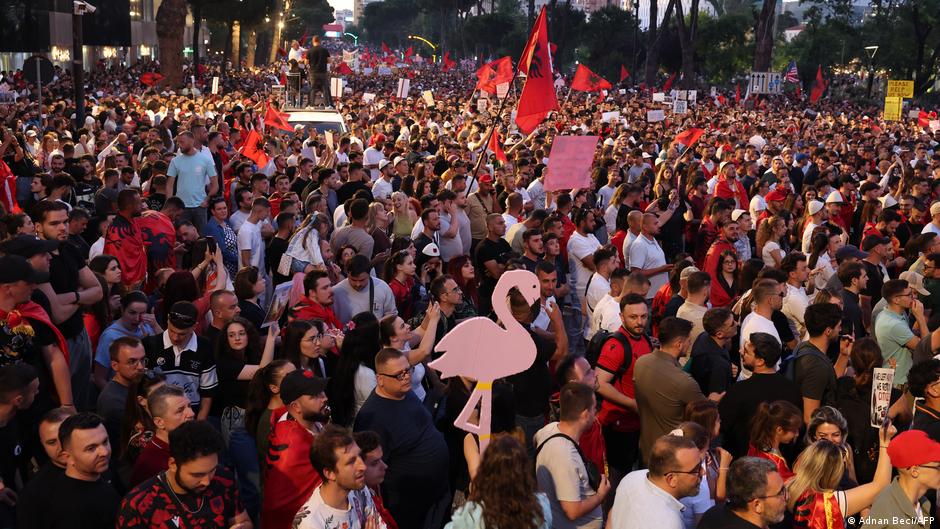
Albania's Development Path Under Scrutiny
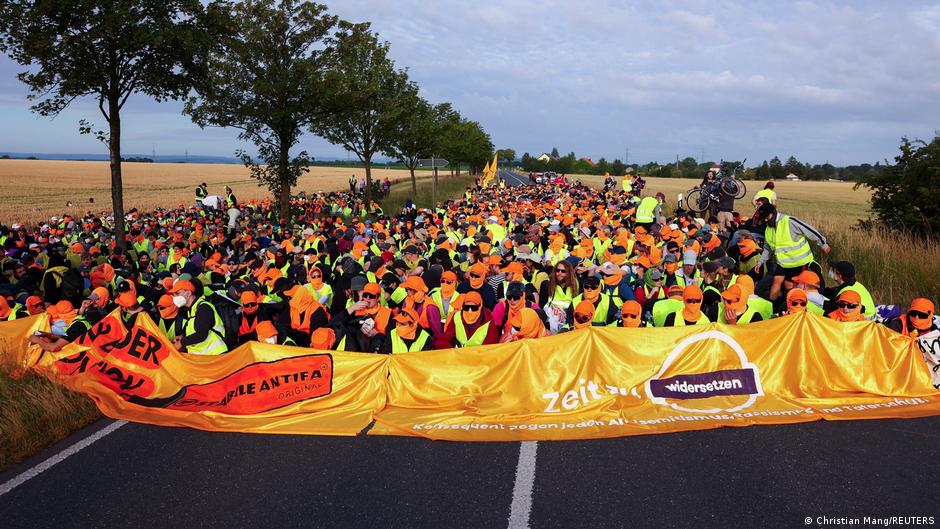
Albania has recently become the scene of significant public discontent, as citizens voice their opposition to the government's policies regarding foreign investment and large-scale luxury developments. These protests, which have gained momentum across the nation, reflect a growing apprehension among the populace about the potential long-term environmental and social consequences of such projects. Critics argue that these initiatives are leading to the exploitation of Albania's natural resources and unique landscapes, benefiting external entities and a select few at the expense of the wider public and the nation's ecological heritage.
The demonstrations highlight a fundamental tension between the government's vision for economic growth and development, often reliant on foreign capital, and the public's desire to preserve national assets and ensure sustainable practices. Protesters have specifically pointed to instances where they believe natural areas are being compromised for the sake of profit-driven ventures, raising questions about transparency, accountability, and the long-term strategic direction of the country's development.
Prime Minister Rama's Perspective on the Unrest
In response to the escalating protests, Albanian Prime Minister Edi Rama has offered a nuanced perspective, suggesting that the motivations behind the demonstrations extend beyond purely domestic concerns. Speaking to DW, Rama indicated his belief that the protests are not merely an organic expression of local grievances but may also serve as a platform for broader international political agendas. Specifically, he alluded to the possibility that these gatherings are being utilized by 'anti-Trump forces,' implying a connection to global political currents rather than solely internal Albanian issues.
This interpretation by the Prime Minister introduces an additional layer of complexity to the ongoing situation. It suggests that while local concerns about environmental protection and development practices are certainly present, Rama perceives an underlying external influence or a strategic co-option of these movements for different, perhaps international, political objectives. Such a viewpoint could shape the government's approach to addressing the protests, potentially leading to a focus on identifying and neutralizing external factors rather than solely concentrating on the immediate demands of the local demonstrators.
The Role of Foreign Investment in Albania
Albania, like many developing nations, has actively sought foreign investment as a catalyst for economic growth and modernization. The government's strategy often involves attracting international capital for infrastructure projects, tourism, and real estate development. Proponents of this approach argue that foreign investment brings much-needed capital, technology, and expertise, creating jobs and stimulating the economy. They contend that these projects are essential for integrating Albania into the global economy and improving the living standards of its citizens.
However, the rapid influx of foreign capital and the scale of some proposed developments have raised alarms among environmental groups and local communities. Concerns include the potential for irreversible damage to pristine natural habitats, the displacement of local populations, and the perceived lack of equitable distribution of benefits. Critics also question the long-term sustainability of a development model heavily reliant on luxury tourism and real estate, fearing it might lead to a 'boom and bust' cycle and make the country vulnerable to external economic shocks.
Balancing Development and Environmental Protection
The core challenge facing Albania, as underscored by the protests, is finding a sustainable balance between economic development and environmental protection. The country is endowed with rich natural beauty, including untouched coastlines, mountains, and rivers, which are significant assets for tourism but also vulnerable to overdevelopment. The debate centers on how to harness these resources for economic gain without compromising their ecological integrity for future generations.
This often involves complex decisions about land use, regulatory frameworks, and the enforcement of environmental standards. The public's demand for greater transparency and participation in these decision-making processes is a recurring theme in the protests. They seek assurance that development projects undergo rigorous environmental impact assessments and that their voices are heard and considered before irreversible decisions are made.
The Broader Political Context
Prime Minister Rama's comments about 'anti-Trump forces' also place the Albanian protests within a broader international political context. This perspective suggests that national events can sometimes be influenced or framed by global political narratives, even if the initial impetus for protest is local. Understanding the interplay between domestic grievances and international political currents is crucial for a comprehensive analysis of the situation in Albania.
It highlights how leaders might interpret dissent through a lens that incorporates both internal and external factors, potentially leading to differing strategies for conflict resolution. The government's challenge will be to address the legitimate concerns of its citizens regarding environmental protection and sustainable development, while also navigating any perceived external influences that it believes are shaping the public discourse.
The ongoing situation in Albania serves as a case study in the complexities of modern nation-building, where the pursuit of economic prosperity must be carefully balanced with the preservation of natural heritage and the democratic right of citizens to voice their concerns.
Source: Original Article