
The Impact of High Temperatures on Antidepressant Users
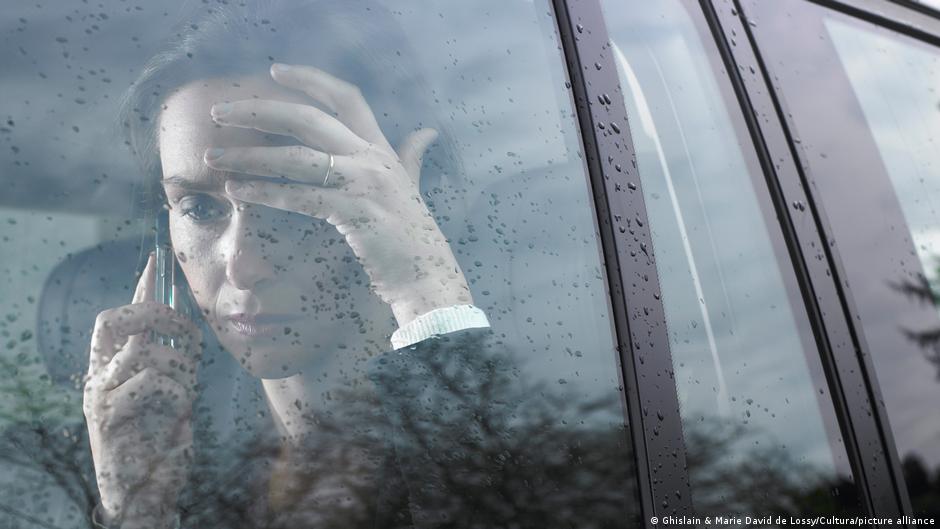
As global temperatures continue to rise, particularly in regions like the Northern Hemisphere, individuals undergoing antidepressant treatment face unique challenges. High heat, often exceeding 40 degrees Celsius (104 F), can intensify the side effects of these medications, leading to increased discomfort and potential health risks. Symptoms such as dizziness, dehydration, exhaustion, and headaches are more prevalent, making summer months particularly arduous for those affected.
Dr. Victoria Tzortziou Brown, president of the British Royal College of General Practitioners, highlights that certain antidepressants can disrupt the body's natural temperature regulation and sweating mechanisms. This can manifest as debilitating symptoms, even in moderate heat. For some, the experience of managing chronic conditions with medications like sertraline or amitriptyline is complicated by an amplified sensitivity to heat, making routine activities challenging and often confining them indoors during peak temperatures.
Understanding Increased Heat Sensitivity
The human body's ability to maintain a stable core temperature relies on a sophisticated network of physiological processes. These mechanisms work in concert to counteract temperature fluctuations caused by metabolic activity, physical exertion, and environmental factors. However, as Michael Paulzen, deputy head of the psychopharmacology division at the German Society for Psychiatry, Psychotherapy and Psychosomatics and chief physician at Aachen's Alexianer hospital, explains, this thermoregulatory process can be compromised by thermal stress, heat, or specific medications.
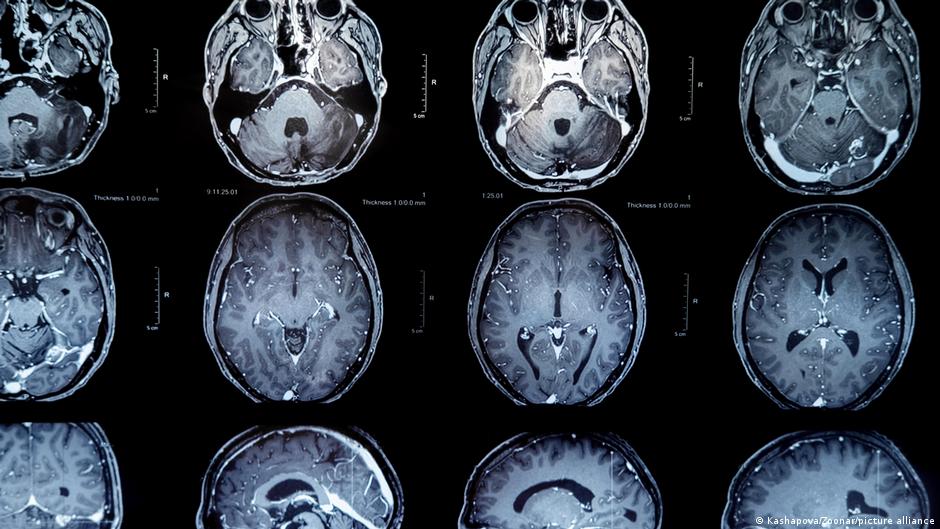
Antidepressants, including selective serotonin reuptake inhibitors (SSRIs) like sertraline and tricyclic antidepressants such as amitriptyline, are among the medications that can interfere with this vital bodily function. These drugs can influence the hypothalamus, a crucial brain gland responsible for regulating body temperature. Consequently, the body may struggle to cool itself effectively, increasing the risk of muscle cramps, fainting, heat exhaustion, and even heat stroke. Additionally, some antidepressants can diminish the sensation of thirst, potentially leading to dehydration before an individual recognizes the need for fluids. Furthermore, these medications can increase the skin's vulnerability to sun damage.
Daniel Harwood, from Britain's Royal College of Psychiatrists, emphasizes the importance of staying hydrated and avoiding direct heat. He notes that dehydration can exacerbate the effects of certain medications, making individuals even more susceptible to heat-related issues.
Sweating and Antidepressants: A Complex Relationship
Online forums and personal accounts frequently detail the profound impact of antidepressants on sweating. Users of medications like sertraline often report excessive sweating, describing it as a significant and uncomfortable side effect during warmer weather. One user on Reddit, for instance, remarked, "I sweat like an unsheltered farm animal," while another stated, "since starting sertraline earlier this year, it's so much worse, it feels like I am melting no matter what I do or wear."
Medical explanations support these anecdotal observations. Paulzen clarifies that tricyclic antidepressants, such as amitriptyline, can inhibit sweating, thereby impeding the body's evaporative cooling process. Conversely, other antidepressants can heighten sweating by increasing the activity of the sympathetic nervous system, which is responsible for activating bodily functions. Sertraline, in particular, is frequently cited for its tendency to increase perspiration. This varied impact on sweating mechanisms means that managing heat can be a highly individual experience for those on antidepressant therapy.
Essential Precautions and Medical Consultation
Given the increasing frequency of high temperatures due to climate change, particularly in continents like Europe, individuals on antidepressants must adopt proactive measures to protect their health. The most critical advice is to never discontinue or alter medication dosages without consulting a healthcare professional. Dr. Brown warns that abruptly stopping antidepressants can trigger withdrawal symptoms and negatively impact mental health and overall well-being.
Instead, the recommended heat-health advice for the general population applies equally, if not more so, to those taking antidepressants: consume plenty of fluids, and seek shade or stay indoors during the hottest parts of the day. Paulzen suggests that by adhering to these precautions, individuals can continue their antidepressant treatment without experiencing an undue increase in side effects. However, it is crucial to seek medical or therapeutic assistance if severe physical symptoms or new mental health issues emerge. Prioritizing communication with healthcare providers ensures that individuals can navigate the challenges of heat sensitivity while maintaining their treatment regimen effectively.
Source: DW.com