Iran's Strategic Position
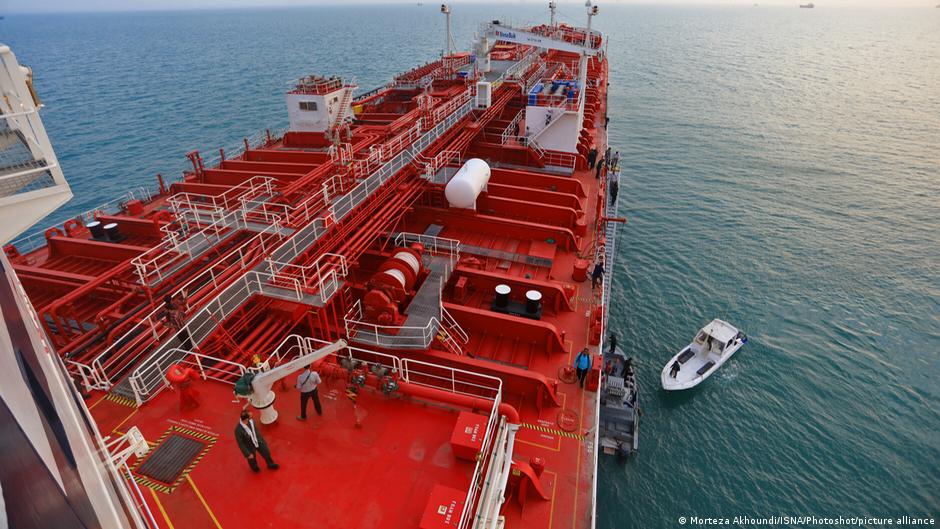
The Strait of Hormuz remains a critical maritime chokepoint, with Iran holding a significant geographic advantage. This narrow passage is vital for the global transport of oil, as a substantial percentage of the world's petroleum passes through this route. Iran's ability to control or disrupt this passage grants it considerable leverage over international energy markets and political dynamics.
Potential for Disruption
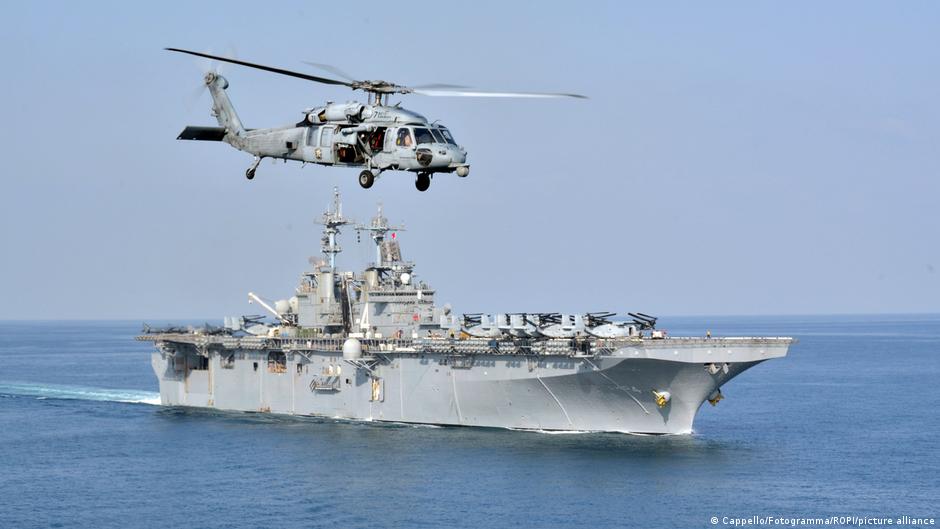
Recent activities have underscored Iran's capability to interfere with shipping lanes and impact energy markets. Such moves not only affect global oil prices but also have the potential to prompt military responses from Gulf countries and Western powers. The strategic significance of the Strait of Hormuz cannot be understated, as any disruption here has far-reaching implications.
Leverage Over Washington
Tehran's control over the Strait of Hormuz offers it a unique form of leverage against the United States and its allies. By threatening shipping routes, Iran can influence international negotiations and pressure Western nations. However, this strategy is fraught with risks, as it might provoke stronger military or economic responses from the affected nations.
High-Risk Strategy
While Iran's position gives it significant power, the approach of using the Strait of Hormuz as a bargaining chip is inherently risky. Escalations could lead to severe consequences, including potential military conflicts or intensified sanctions that could further isolate Iran economically and politically. As such, Tehran must carefully balance its actions to maintain its strategic advantage without triggering adverse outcomes.
Source: Original Article