Introduction to the Controversy
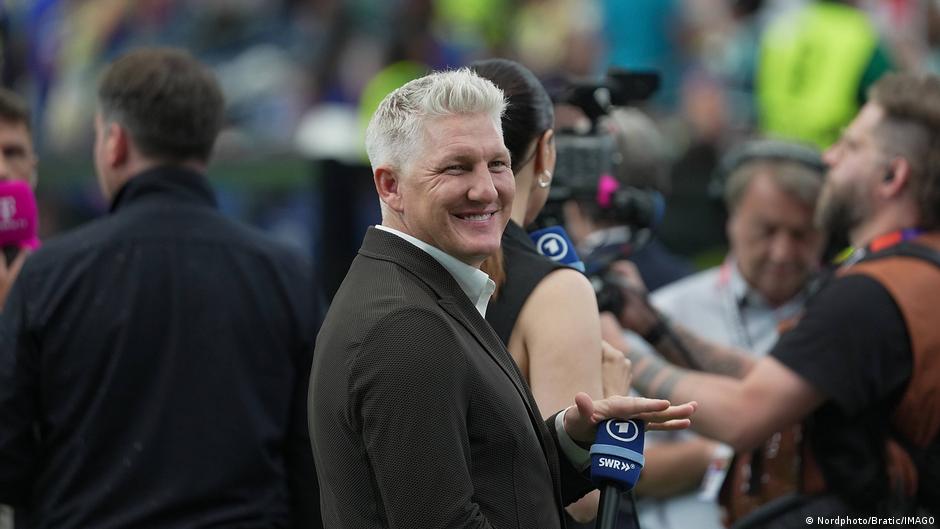
Former German international Bastian Schweinsteiger, now a sports commentator, found himself at the center of a public debate following remarks he made about the Ivory Coast national football team during his analysis of Germany's opponents in the World Cup. His comments, delivered during a broadcast, were perceived by numerous observers as invoking racial stereotypes, leading to widespread criticism and prompting a broader discussion on the prevalence of such tropes within football commentary and beyond.
The Nature of the Comments
During his analytical segment, Schweinsteiger discussed the Ivory Coast team's playing style and characteristics. While the specific phrasing that drew criticism has been widely reported, the core of the controversy stemmed from his portrayal of the team in a manner that some interpreted as relying on pre-existing, often negative, generalizations about African athletes. Critics argued that his language inadvertently, or perhaps explicitly, reinforced long-standing stereotypes that have historically been used to describe and often diminish the capabilities and intellect of Black players, focusing on physical attributes over tactical acumen or discipline.
Public Reaction and Social Media Outcry
Immediately following the broadcast, social media platforms became a hub for discussion, with many users expressing their dismay and condemnation of Schweinsteiger's remarks. Football fans, anti-racism activists, and sports journalists alike weighed in, highlighting how such comments, even if not intentionally malicious, contribute to a culture where racial biases can persist unchallenged. The swift and strong public reaction underscored a growing intolerance for any form of commentary that appears to perpetuate stereotypes, particularly in a global sport like football, which prides itself on diversity and inclusion.
Historical Context of Stereotypes in Football
The debate surrounding Schweinsteiger's comments is not isolated but rather fits into a longer history of racial stereotyping in football. For decades, Black players have been subjected to analyses that disproportionately emphasize their physical prowess, speed, and strength, often at the expense of acknowledging their intelligence, tactical understanding, or technical skill. This narrative, critics argue, has its roots in colonial-era attitudes and has been perpetuated through media representations and commentary. Such stereotypes can limit perceptions of players' potential and contribute to systemic biases in areas like coaching appointments or leadership roles within teams.
The Role of Commentators and Media
Sports commentators and media personalities hold a significant position in shaping public perception and understanding of the game. Their choice of words, analytical frameworks, and overall narrative can either challenge or reinforce existing biases. In this context, the scrutiny of Schweinsteiger's comments highlights the responsibility that comes with such a platform. There is an expectation for commentators to be not only knowledgeable about the sport but also acutely aware of the social and cultural implications of their language, ensuring that their analysis is fair, objective, and free from prejudiced undertones.
Implications for Anti-Racism Efforts in Sport
The incident involving Bastian Schweinsteiger serves as a stark reminder that despite significant efforts to combat racism in football, the issue remains deeply embedded in various forms. While overt acts of racism, such as monkey chants or discriminatory banners, receive widespread condemnation, subtle forms of bias, often expressed through commentary or casual remarks, can be equally damaging. These 'microaggressions' contribute to an environment where racial prejudice, even if unintended, is normalized. This incident underscores the ongoing need for education, sensitivity training, and critical self-reflection within sports media and organizations to ensure that such stereotypes are actively dismantled.
Moving Forward: A Call for Greater Awareness
The controversy surrounding Schweinsteiger's remarks should serve as a catalyst for greater awareness and accountability within the football community. It emphasizes the importance of fostering an inclusive environment where all participants, regardless of their background, are judged solely on their merits and contributions to the sport. As football continues to be a global phenomenon, the responsibility to uphold principles of equality and respect falls on everyone involved, from players and coaches to commentators and fans. Continuous vigilance and a commitment to challenging all forms of prejudice are essential in the ongoing fight against racism in sport.
Source: Original Article