China's Naval Exercise in the South Pacific
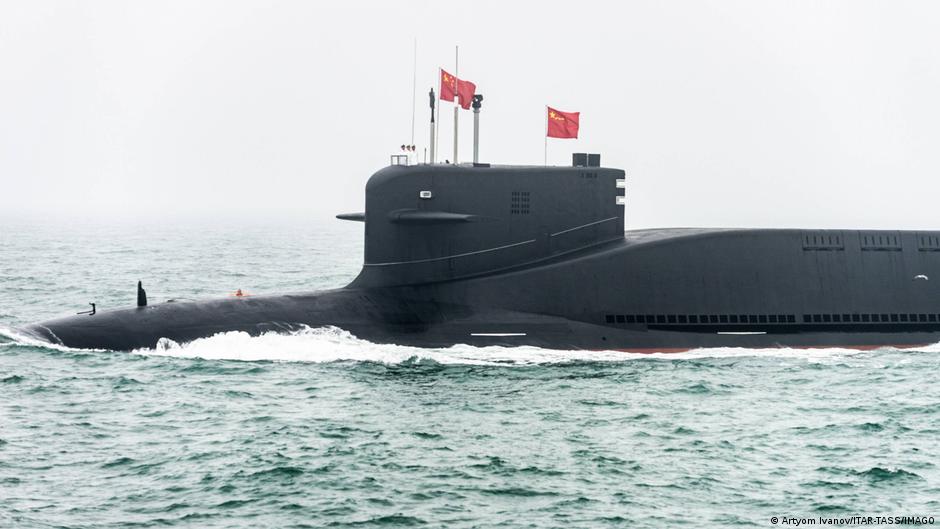
On Monday, the Chinese Navy conducted a test launch of a long-range ballistic missile from a nuclear submarine in the South Pacific. This action has drawn considerable attention and criticism from other regional powers, who view it as another demonstration of Beijing's growing military capabilities and assertiveness. The official Xinhua news agency confirmed the launch, noting its origin from a submarine.
The location of the test is particularly significant. The South Pacific is formally recognized as a nuclear-free zone, a status established by the 1986 Treaty of Rarotonga. This treaty, which China ratified in 1987, prohibits the testing of nuclear warheads within its designated area. The recent missile launch, regardless of whether it carried a live warhead, has been interpreted by some as a challenge to the spirit of this long-standing agreement.
International Reactions and Regional Stability
The missile test quickly elicited strong reactions from nations in the Indo-Pacific region. Australian Foreign Minister Penny Wong, during a visit to Fiji focused on strengthening defense ties, accused Beijing of contributing to the 'destabilization' of the region. Her comments underscore a broader concern among several nations about China's increasing military presence and activities in an area traditionally considered strategically sensitive.
New Zealand's top diplomat, Winston Peters, also voiced his country's dismay. He noted that China proceeded with the test within hours of informing New Zealand of its intention, despite prior and ongoing concerns regarding such military exercises. Peters' remarks highlight a perceived lack of regard for regional sensitivities and international dialogue concerning these activities.
In response to the international outcry, China has characterized the missile launch as a 'routine' military drill. This explanation, however, has not fully assuaged the anxieties of its neighbors, who point to a pattern of escalating military exercises. Notably, two years prior, China conducted a similar missile test in the same area, which reportedly involved a dummy warhead. These recurrent drills, increasing in both scale and frequency, contribute to a perception of heightened military posturing by Beijing across the South Pacific.
Context of China's Military Modernization
The recent missile test is part of a broader trend of China's military modernization, particularly its naval capabilities. Beijing has been investing significantly in bolstering its arsenal of nuclear submarines and developing advanced ballistic missile technology. This strategic enhancement is seen by many analysts as an effort to project power further afield and secure its interests in contested maritime territories.
The South Pacific holds strategic importance due to its vast ocean expanses and proximity to key international shipping lanes. For decades, the region has been a focal point for geopolitical competition, with various global powers seeking influence. China's growing military activities here are therefore viewed within this larger geopolitical context, raising questions about the future balance of power and regional security architecture.
The Treaty of Rarotonga, signed by numerous South Pacific nations, was a landmark agreement aimed at preventing the proliferation of nuclear weapons and testing in the region. China's ratification of this treaty in 1987 was seen as a commitment to these principles. The recent missile test, even if not directly involving a nuclear warhead, has reignited discussions about the treaty's implications and the broader responsibilities of signatory nations to uphold its spirit.
The ongoing military exercises and the development of long-range missile capabilities by China continue to be a subject of international scrutiny. As Beijing asserts its role on the global stage, its military actions in regions like the South Pacific will likely remain a key point of discussion for international relations and regional stability.
Source: Original Article