A Groundbreaking Appointment in Men's Football
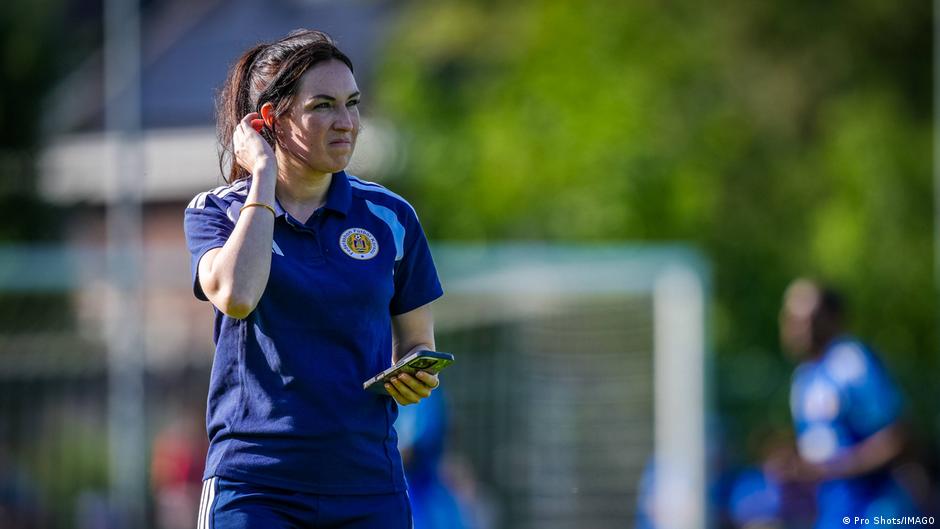
The 2026 FIFA World Cup marks a significant milestone with the appointment of Dr. Suzanne Huurman as the chief medical officer for the national team of Curaçao. At 36 years old, the Dutch physician stands as the only woman to hold this leading medical position across all participating nations in the tournament. Her presence underscores a gradual, albeit slow, shift within the traditionally male-dominated world of elite football, particularly in the medical support staff.
Curaçao, representing one of the smallest nations ever to qualify for the World Cup, will face Germany in the initial group stages. Dr. Huurman's role is particularly notable given the scarcity of female medical professionals in men's football. While Dr. Silja Schwarz has served as a team doctor for Germany's men's squad for three years, she does not hold the lead position. Historically, Dr. Huurman is only the third woman in the competition's history to serve in any medical capacity for a World Cup team, highlighting the pervasive gender imbalance within the sport.
Navigating a Male-Dominated Environment
Dr. Huurman candidly discussed the systemic challenges faced by women in sports medicine, especially within men's football. She points out a striking disparity between the high percentage of women in medical school—often 70% to 80%—and their significantly reduced representation in elite sports medicine, particularly in male sports. "It's a real male-dominated culture still," she observed, noting the additional hurdles women face in gaining acceptance and proving their competence.
Her professional journey, which includes stints at the Dutch club Go Ahead Eagles Deventer, several years at Real Madrid, and holding head of medical positions in professional sports since 2015, has equipped her with extensive experience. Despite her impressive curriculum vitae, Dr. Huurman frequently encountered resistance at higher management levels. She recounted instances where her gender was cited as a reason for not being hired, hearing variations of, "No, you cannot work here because you are a female and we don't want a female in a male squad." She emphasizes the necessity of persistence and unwavering commitment to one's abilities in the face of such prejudice.
"You really have to prove yourself. It takes more time before they accept you, before they see. It's all about proving your quality, showing you're there to do everything the best you can to support them and their health. But it is difficult because there are a lot of barriers you have to face, a lot of prejudices." - Dr. Suzanne Huurman
Focusing on Professional Excellence
Despite the unique pressures of her position, Dr. Huurman chooses to concentrate on her professional duties rather than the gender aspect. "Being the only female in the whole squad, I try not to focus on it," she stated. Her priority remains delivering the highest standard of medical care, ensuring everything is meticulously prepared for the team. She acknowledges the inherent unfairness but believes the most effective response is to demonstrate one's capabilities and worth through exceptional performance.
This year, FIFA implemented new regulations for women's teams competing in tournaments, mandating the inclusion of at least two female staff members, one of whom must be a head or assistant coach. However, no equivalent policy has been introduced for men's football, where male staff members overwhelmingly outnumber females. Dr. Huurman describes the initial challenge for female doctors as simply gaining entry into the male-dominated football world, even with stellar qualifications. Subsequently, it takes additional time for their competence to be fully recognized and accepted.
Prospects for Greater Gender Parity
While complete gender parity in sports medicine remains a distant goal, there are encouraging developments in other athletic fields. Data from ISAKOS (the International Society of Arthroscopy, Knee Surgery and Orthopaedic Sports) indicates a substantial increase in female physicians within the American Olympic team. The percentage of female physicians rose from 19% at the 2012 London Games to 32% at the 2024 Paris Games, suggesting a positive trend.
Dr. Huurman expresses optimism for the future, hoping that the next World Cup will feature a significantly higher number of female doctors. She observes that while other sports are showing progress, football continues to lag in this regard. "Hopefully in four years it's way better," she remarked. The pioneering efforts of individuals like Dr. Huurman and Dr. Schwarz are crucial in challenging existing norms and paving the way for future generations of women in elite sports. Their resilience and dedication serve as an inspiration, helping to dismantle barriers and foster a more inclusive environment in professional football.