Magnitude of the Outbreak
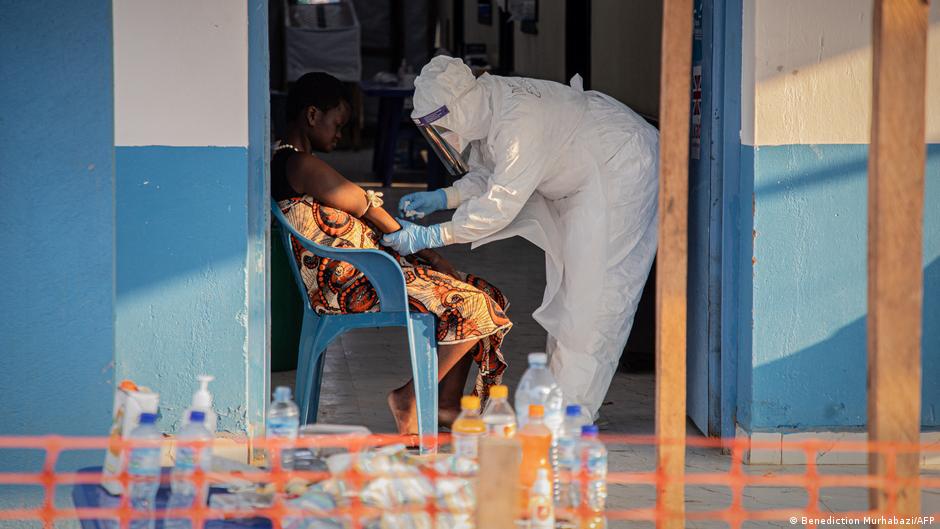
The World Health Organization (WHO) has issued a cautionary statement regarding the current Ebola virus disease (EVD) outbreak affecting parts of the Democratic Republic of Congo (DRC) and Uganda. According to the UN health agency, the actual number of cases and fatalities could be substantially higher than the officially reported figures. While nearly 2,000 individuals have been confirmed as infected and over 700 deaths have been recorded, the WHO estimates that the true scale of the outbreak might be two to four times greater.
This assessment by the WHO underscores the challenges inherent in monitoring and containing highly contagious diseases, especially in regions with complex socio-economic and logistical environments. The discrepancy between reported and estimated figures often arises from a combination of factors, including limited access to affected communities, underreporting due to fear or stigma, and the difficulties in tracking every potential case in areas with porous borders and migratory populations.
Challenges in Data Collection and Reporting
Accurate data collection is paramount for an effective public health response. However, several obstacles can impede the comprehensive enumeration of EVD cases. In remote or conflict-affected areas, healthcare infrastructure may be sparse or non-existent, making it difficult for health workers to reach all individuals who may have contracted the virus. Furthermore, community trust can be a significant barrier. Misinformation, historical grievances, or cultural practices may lead some individuals to avoid official health facilities, preferring traditional healers or remaining hidden, thus contributing to underreporting.
The nature of Ebola itself also presents challenges. Early symptoms can be non-specific, resembling other common illnesses, which can delay diagnosis and reporting. The highly contagious nature of the virus means that even a single unreported case can lead to a cluster of new infections, further complicating efforts to get an accurate picture of the outbreak's spread. Moreover, the rapid progression of the disease and the high fatality rate can mean that individuals may die before being officially diagnosed or before their cases are reported to central authorities.
Implications of Underestimation
An underestimation of an outbreak's size carries significant implications for public health strategies. If the reported numbers are only a fraction of the actual cases, it means that response efforts may be inadequately scaled. This could lead to insufficient allocation of resources, including medical personnel, protective equipment, diagnostic tools, and vaccine doses. Furthermore, public health messaging and community engagement initiatives might not be targeted effectively if the true geographical spread and demographic impact of the disease are not fully understood.
The WHO's warning serves as a call to action for increased vigilance and intensified efforts to reach every affected community. It highlights the need for robust surveillance systems, improved community engagement strategies to build trust, and enhanced capacity for rapid diagnosis and contact tracing. Addressing the root causes of underreporting, such as lack of access to healthcare and community mistrust, is crucial for gaining a more accurate understanding of the outbreak's trajectory and for implementing effective containment measures.
International Response and Future Outlook
The international community, in collaboration with national governments in the DRC and Uganda, continues to deploy resources to combat the outbreak. This includes providing humanitarian aid, medical supplies, and technical expertise. Vaccination campaigns have been a cornerstone of the response, utilizing investigational vaccines to protect frontline workers and contacts of confirmed cases. However, the effectiveness of these campaigns is directly linked to the ability to identify and reach all at-risk individuals.
The ongoing situation underscores the critical importance of transparent and accurate reporting in global health crises. While the challenges are substantial, continuous efforts to improve data collection, foster community trust, and scale up response activities are essential to bring the Ebola outbreak under control. The WHO's latest assessment emphasizes that the fight against Ebola is far from over and requires sustained international cooperation and local engagement to mitigate its devastating impact.
Source: Original Article