Geopolitical Dynamics in the Gulf
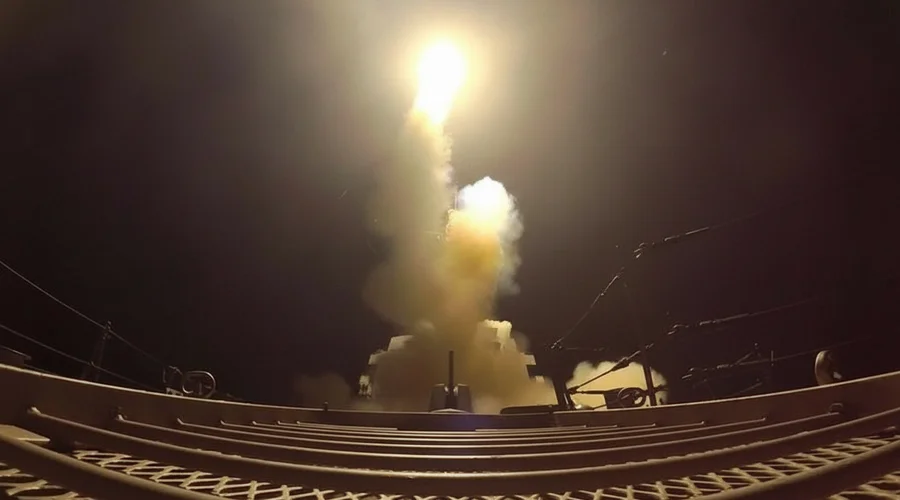
The intricate geopolitical landscape of the Middle East is once again under scrutiny as tensions between the United States and Iran intensify. Following targeted actions by the US against Iranian interests, Iran has reportedly responded by focusing its efforts on American allies within the region. While these actions may not be directly aimed at the governments or civilian populations of its Gulf neighbors, the potential for broader destabilization poses considerable risks for these nations.
The Gulf region, a critical hub for global energy and trade, finds itself in a precarious position. Decades of complex relationships, economic interdependencies, and security concerns define the interactions between these states and the larger regional powers. The current escalation introduces new layers of uncertainty, threatening to disrupt established norms and exacerbate existing fragilities.
Economic Vulnerabilities and Trade Routes
A primary concern for Gulf countries is the potential economic fallout. The Strait of Hormuz, a narrow waterway connecting the Persian Gulf to the open ocean, is a vital chokepoint for global oil shipments. Any significant disruption in this area, whether through direct conflict or increased security threats, could lead to a surge in oil prices and profound implications for international markets. Gulf economies, heavily reliant on hydrocarbon exports, would face a dual challenge: potential reductions in export volumes and increased insurance premiums for shipping, which could diminish their competitive edge.
Beyond oil, the Gulf states have diversified their economies, investing heavily in logistics, finance, and tourism. These sectors are highly sensitive to perceptions of instability. A prolonged period of heightened tension or direct conflict could deter foreign investment, reduce tourist arrivals, and complicate international trade routes, all of which are crucial for the continued growth and development of these nations. Supply chains, already strained by global events, could face further bottlenecks, leading to higher costs and potential shortages for goods and services.
Security Concerns and Regional Stability
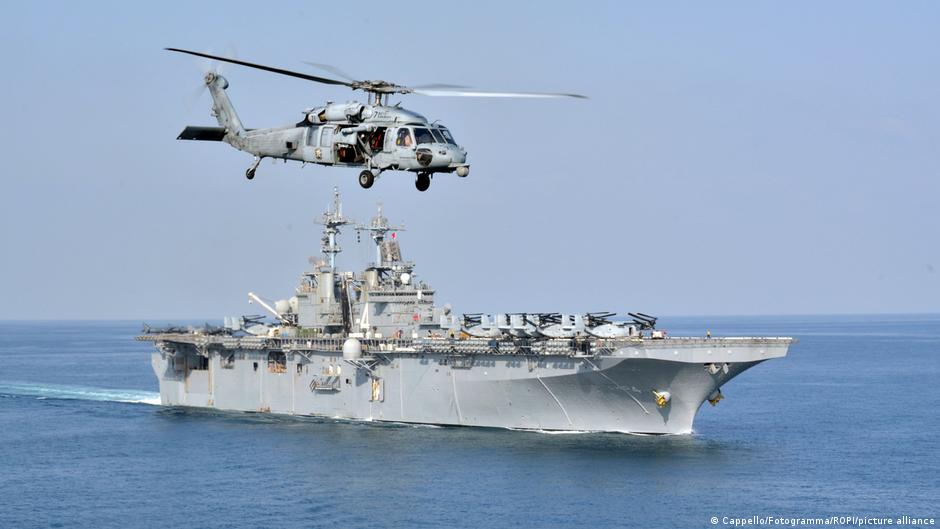
The security implications for Gulf nations are equally significant. While Iran's reported actions may not directly target their sovereign territories, the presence of US military assets and personnel in several Gulf states means these countries could inadvertently become theaters for proxy conflicts or retaliatory strikes. This proximity to potential flashpoints necessitates increased vigilance and defense spending, diverting resources that could otherwise be used for economic and social development.
Furthermore, the long-standing internal and external security challenges faced by Gulf countries could be exacerbated. The rise of non-state actors, cross-border smuggling, and the potential for increased cyber warfare all contribute to a complex security environment. An escalation between major powers could embolden or create opportunities for such groups, leading to further regional instability. The delicate balance of power within the region, maintained through a combination of diplomacy, alliances, and deterrence, risks being upset, potentially leading to unforeseen consequences.
Diplomatic Challenges and International Relations
Gulf countries face a significant diplomatic tightrope walk. Many have strong economic and security ties with the United States, while also maintaining complex, and at times contentious, relationships with Iran. The current escalation forces them to navigate these relationships with extreme caution, balancing their national interests with regional stability.
The international community will likely intensify pressure on all parties to de-escalate, but the capacity of Gulf nations to influence the primary actors may be limited. Their role could become one of mitigating the impact of external conflicts, providing humanitarian assistance if needed, and advocating for peaceful resolutions through multilateral forums. However, the risk of being drawn into a broader conflict, even indirectly, remains a palpable concern. The diplomatic efforts required to maintain neutrality while safeguarding national interests will be considerable and challenging.
In conclusion, the renewed tensions between the United States and Iran, irrespective of their direct targets, cast a long shadow over the Gulf region. The economic vulnerabilities, heightened security risks, and complex diplomatic challenges facing these nations underscore the far-reaching consequences of such geopolitical friction. The stability and prosperity of the Gulf are inextricably linked to the broader regional security environment, making any escalation a matter of profound concern for both local populations and the international community.