Overview of Recent Developments
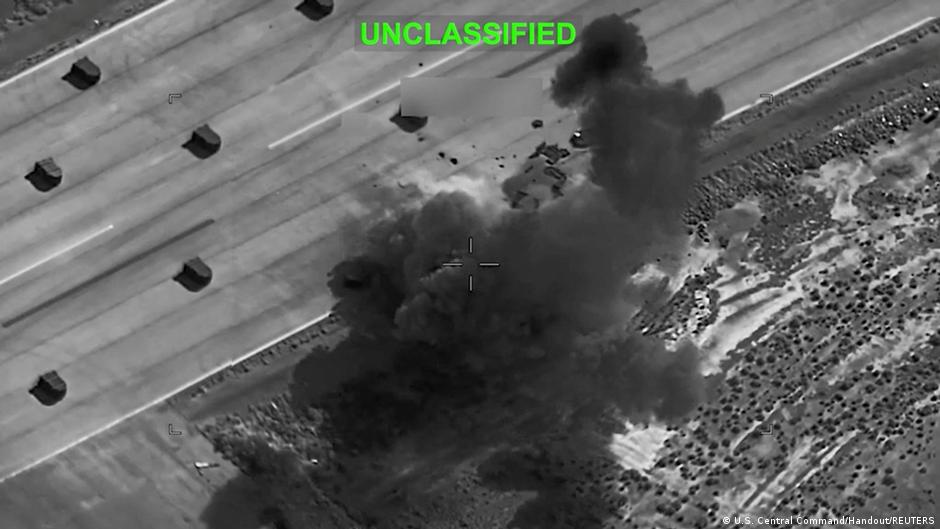
In a significant escalation of geopolitical tensions, the United States has carried out a second wave of military strikes targeting locations within Iran. These actions transpired overnight, coming swiftly after a prior round of attacks and a statement from President Trump indicating the termination of an existing ceasefire. The ongoing military engagements unfold as Iran simultaneously prepares for the funeral ceremonies of its recently deceased leader, Khamenei, a figure whose passing has added another layer of complexity to the already volatile regional landscape.
Background to the Conflict
The relationship between the United States and Iran has been characterized by decades of animosity and distrust, punctuated by periods of heightened tension and occasional direct confrontation. The recent events are not isolated incidents but rather a continuation of a long-standing geopolitical rivalry. Historically, points of contention have included Iran's nuclear program, its regional influence, support for various non-state actors, and human rights issues. The U.S., under various administrations, has imposed stringent sanctions on Iran, aiming to curb its nuclear ambitions and destabilizing activities in the Middle East.
The specific catalyst for the most recent military actions remains a subject of intense international scrutiny and speculation. While official statements from the U.S. have framed these strikes as 'retribution' for unspecified actions, the precise nature of these provocations has not been fully detailed. The declaration by President Trump of a ceasefire's conclusion suggests that previous attempts at de-escalation or informal understandings between the two nations have broken down, leading to a renewed commitment to military intervention as a means of addressing perceived threats or enforcing demands.
Details of the Strikes
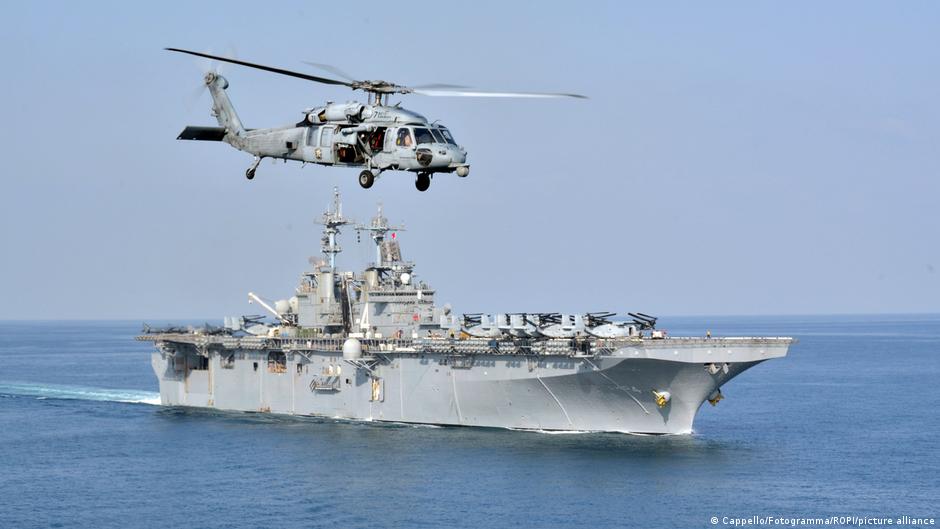
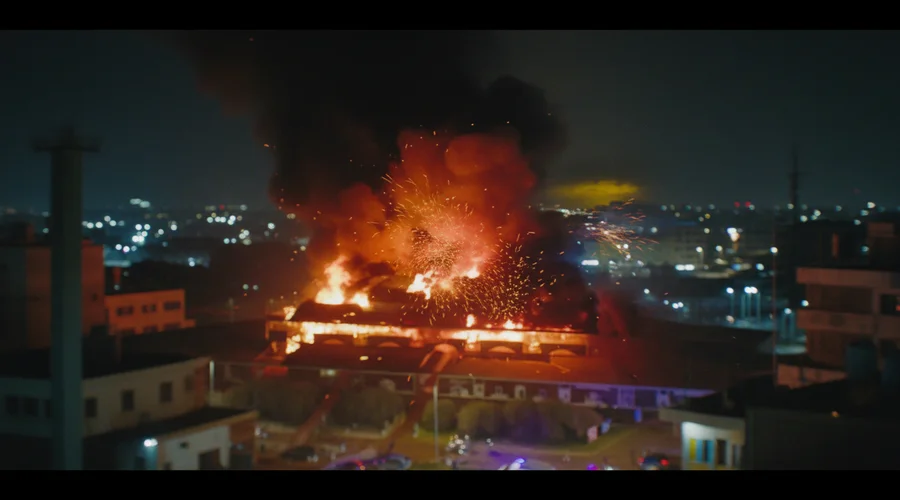
The recent U.S. military operations represent a significant kinetic response, with reports indicating that the strikes were conducted overnight. While specific targets and the extent of the damage inflicted have not been fully disclosed by official sources, the very fact of a 'second wave' within such a short timeframe underscores the intensity and deliberateness of the American response. Such actions typically involve a range of military assets, from aerial platforms to potentially naval or ground-based capabilities, aimed at strategic targets believed to be linked to Iranian military infrastructure or leadership. The immediate impact of these strikes on Iran's military capabilities and its retaliatory capacity remains to be seen.
Iran's Response and Internal Dynamics
As the U.S. executes these military maneuvers, Iran is concurrently grappling with a significant internal event: the preparations for the funeral of its leader, Khamenei. The death of a prominent national figure, especially one who has held power for an extended period, often triggers a period of national mourning and, potentially, political transition. This confluence of external military pressure and internal political ceremony creates a uniquely challenging environment for the Iranian government. How the leadership navigates this dual crisis – responding to foreign aggression while managing a sensitive internal transition – will be critical in shaping the immediate future of the region.
Initial reactions from Iranian officials have been largely condemnatory, with strong rhetoric against American aggression. However, the exact nature of any retaliatory measures from Iran is yet to be clearly defined. Historically, Iran has demonstrated a capacity for both overt military responses and more asymmetric strategies, often utilizing its network of regional allies and proxy forces. The decision-making process within Iran will undoubtedly be influenced by the need to project strength domestically and internationally, while also calculating the potential for further escalation.
International Implications and Outlook
The latest developments have sent ripples across the international community. World leaders and international organizations are closely monitoring the situation, with many calling for restraint and diplomatic solutions to prevent a full-blown regional conflict. The Strait of Hormuz, a critical chokepoint for global oil supplies, is particularly vulnerable to any further escalation, potentially impacting global energy markets. Neighboring countries, many of whom have complex relationships with both the U.S. and Iran, are also expressing concerns about regional stability and the potential for spillover effects.
The path forward is fraught with uncertainty. The U.S. administration's stated intent of 'retribution' suggests a firm stance, while Iran's historical resilience and strategic depth indicate a willingness to resist external pressure. The absence of clear communication channels or a mutually agreed-upon framework for de-escalation further complicates the situation. The coming days will be crucial in determining whether diplomatic efforts can regain traction or if the region is poised for a more significant and potentially devastating conflict.
Source: Original Article