Geopolitical Dynamics in the Gulf
The intricate geopolitical landscape of the Persian Gulf stands at a precarious juncture, with potential escalations in tensions between the United States and Iran casting a long shadow over regional stability. While direct military confrontations between these two major powers might seem distant, the ripple effects of any heightened conflict would inevitably reverberate across the neighboring Gulf states. These nations, many of whom host significant U.S. military presences and possess vital energy infrastructure, find themselves in a vulnerable position, irrespective of their direct involvement in any dispute.
Economic Vulnerabilities and Global Trade
A primary concern for Gulf countries in the event of renewed US-Iran hostilities is the severe economic fallout. The Strait of Hormuz, a narrow waterway through which a substantial portion of the world's oil supply passes, becomes an immediate flashpoint. Any disruption to shipping lanes, whether through direct military action, mining, or increased insurance premiums due to perceived risk, would send shockwaves through global energy markets. Oil prices would likely surge, impacting economies worldwide, but particularly those heavily reliant on oil exports, including Saudi Arabia, Kuwait, Qatar, and the UAE. Their national budgets, investment plans, and overall economic stability are intrinsically linked to the free flow of oil through this strategic choke point. Furthermore, foreign investment, crucial for diversification efforts in many Gulf economies, could dry up as investors shy away from a region perceived as unstable. Tourism, another growing sector, would also face significant downturns, further exacerbating economic woes.
Security Implications and Regional Stability
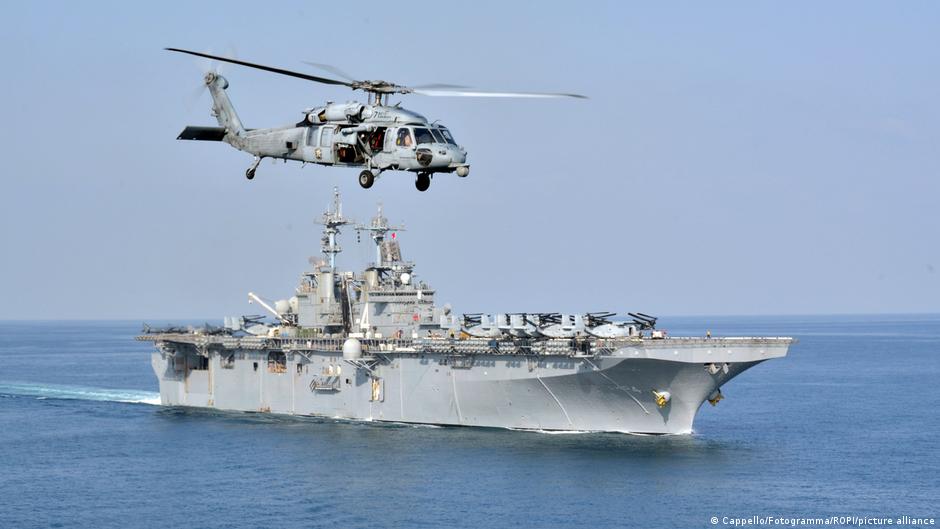
Beyond economic considerations, the security landscape for Gulf states would be profoundly altered. Several Gulf nations, such as Bahrain and Kuwait, host major U.S. military facilities, making them potential targets in a retaliatory scenario, even if Iran's primary aim isn't to directly attack their governments or populations. The presence of these bases, while providing a degree of deterrence, also acts as a magnet for hostile actions in the event of a wider conflict. The historical precedent of Iranian missile strikes targeting U.S. military sites in Iraq following U.S. actions against Iranian interests highlights this risk. Such incidents, even if not intended to inflict mass casualties on host nations, could cause significant damage, disrupt daily life, and create widespread panic, leading to internal instability and a potential exodus of foreign workers.
Humanitarian and Social Consequences
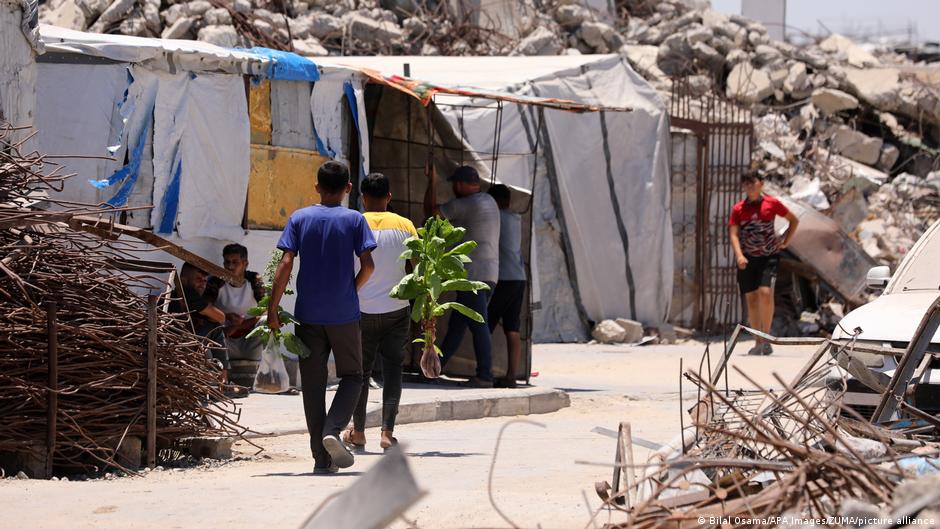
The human cost of any large-scale conflict in the region would be immense. While direct targeting of civilian populations might not be the primary goal, collateral damage is an unavoidable consequence of warfare. Displacement of populations, disruption of essential services like healthcare and food supply chains, and environmental damage would be highly probable. The psychological toll on residents, living under the constant threat of conflict, would also be significant. Many Gulf countries have large expatriate populations, and a crisis could trigger mass evacuations, further straining resources and impacting local economies. The social fabric of these diverse societies could also come under stress as communities grapple with the realities of war.
Diplomatic Challenges and Alliances
From a diplomatic perspective, Gulf states would face immense pressure to navigate a complex web of alliances and allegiances. Maintaining neutrality could prove challenging, particularly for those with close ties to the United States. The conflict could also exacerbate existing regional rivalries and sectarian divisions, potentially leading to proxy conflicts or heightened internal security concerns. The ability of regional bodies like the Gulf Cooperation Council (GCC) to present a unified front would be tested, potentially undermining efforts towards regional integration and cooperation. The long-term implications for regional power dynamics and the balance of influence would be substantial, reshaping alliances and potentially leading to new security architectures.
Conclusion
In summation, while the direct adversaries in a hypothetical US-Iran conflict would be clear, the impact on surrounding Gulf countries would be profound and multifaceted. From economic devastation and security threats to humanitarian crises and diplomatic dilemmas, these nations stand to lose a great deal. The interconnected nature of the region means that even without being direct participants, Gulf states would bear a significant burden, underscoring the urgent need for de-escalation and diplomatic solutions to prevent such a devastating scenario.