EU Sanctions Target Russian Scientists Over Navalny's Death
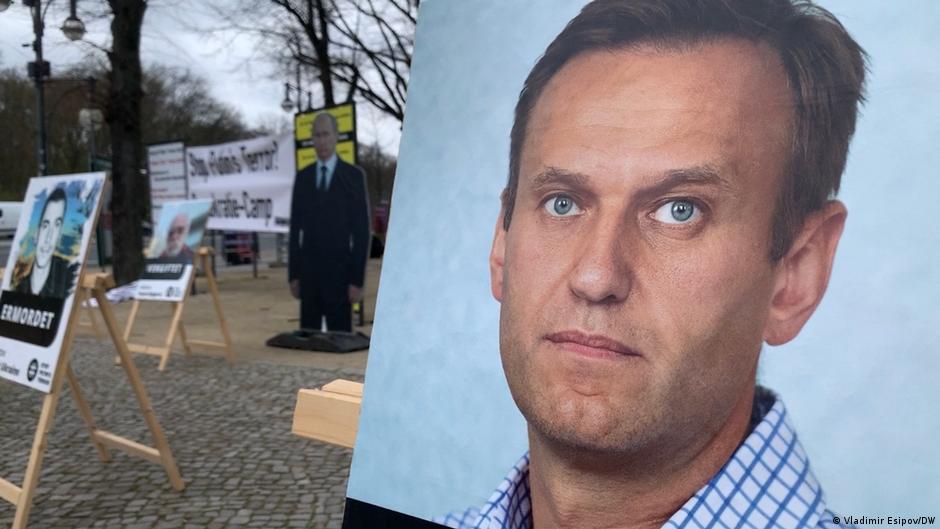
On July 3, 2026, the European Union announced sanctions against six Russian scientists connected to the development of epibatidine, a toxin linked to the death of Alexei Navalny, a prominent critic of Russian President Vladimir Putin. Navalny, who had survived multiple assassination attempts, died in a Russian penal colony in 2024.
Details of the Sanctions
The Council of the European Union stated that these individuals were involved in Russia's chemical weapons program, specifically in the production of epibatidine. This toxin, originally found in South American poison dart frogs, was identified in Navalny's body, despite claims from Russian officials that he died of natural causes. Earlier this year, five European countries, including Germany, concluded that Navalny had been poisoned with a lethal substance.
The EU's sanctions are in response to Moscow's breach of the Chemical Weapons Convention, an international treaty prohibiting the use of chemical weapons. The sanctioned scientists, described as working within the military sphere, now face travel bans to the EU, asset freezes, and a prohibition on economic engagements with EU companies and citizens.
Background on Navalny's Ordeal
Navalny, a vocal opponent of Putin's regime, encountered numerous legal challenges, attacks, and an attempted assassination before his death. In 2020, he was poisoned with a Novichok nerve agent, an attack that left him in a coma, and he was subsequently treated in Germany. This incident had already led to European officials blaming Russian authorities.
The latest sanctions are part of a broader set of measures by the EU against Russian officials, aimed at addressing the suppression of Kremlin critics and media dissent, which has intensified since the 2022 invasion of Ukraine.
International Reactions and Implications
These measures reflect ongoing international efforts to hold Russia accountable for actions that violate international norms. The sanctions underscore the EU's commitment to addressing human rights violations and safeguarding the principles of the Chemical Weapons Convention.
This development is likely to further strain relations between the European Union and Russia, as Brussels continues to respond to what it sees as aggressive actions by Moscow. The sanctions are part of a series of steps intended to pressure Russia to change its policies regarding dissent and human rights.
Source: Original Article