
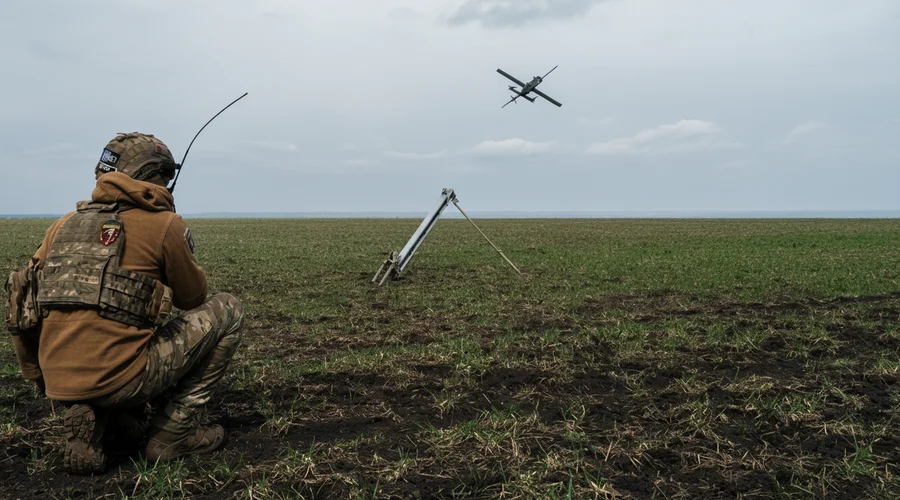
Introduction to AI-Powered Drone Technology in Conflict Zones
The landscape of modern warfare is continually evolving, with artificial intelligence (AI) playing an increasingly pivotal role in military operations. One notable development involves the deployment of AI-powered combat drones manufactured by the German defense company Helsing. These unmanned aerial vehicles (UAVs) are currently in active service with Ukrainian forces, demonstrating their capabilities in a real-world conflict scenario. The company also intends to supply these advanced systems to the German army, indicating a broader strategic shift towards integrating AI into national defense frameworks.
The Role of Helsing's Drones on the Ukrainian Front Line
Helsing's drones represent a significant technological advancement due to their integrated AI capabilities. Unlike traditional drones that often require constant human remote control for every action, these AI-driven systems can operate with a higher degree of autonomy. This includes tasks such as target identification, tracking, and even engagement, though human oversight remains a critical component in most combat applications to comply with ethical and legal frameworks governing autonomous weapons. The effectiveness of these drones on the front lines in Ukraine is a subject of intense scrutiny, as their performance provides valuable insights into the future of military technology.
The operational environment in Ukraine presents unique challenges and opportunities for such advanced systems. The conflict is characterized by a mix of conventional and unconventional tactics, making adaptable and intelligent systems highly valuable. AI-powered drones can potentially enhance situational awareness for ground troops, provide precision strike capabilities, and reduce the risk to human personnel by undertaking dangerous reconnaissance or combat missions. The data gathered from their deployment in Ukraine will undoubtedly inform future iterations of AI in defense and influence military doctrines worldwide.
Technological Advancements and Operational Impact
The core of Helsing's innovation lies in its AI algorithms, which enable the drones to process vast amounts of data from their sensors, interpret complex battlefield scenarios, and make rapid decisions. This capability is crucial in dynamic combat environments where seconds can determine the outcome of an engagement. For instance, AI can help drones differentiate between friendly and enemy forces, identify high-value targets amidst clutter, and adapt to jamming or electronic warfare attempts. Such features contribute to increased operational efficiency and potentially higher success rates for missions.
Reports from the front lines suggest that these drones are being utilized for a variety of missions, including intelligence gathering, surveillance, target acquisition (ISTAR), and direct combat support. Their ability to operate in contested airspace and provide real-time information to commanders is a significant force multiplier. The experience gained by Ukrainian operators using these systems is invaluable, offering practical feedback that can refine both the technology and the tactics for its deployment. This iterative process of development and field testing is critical for optimizing military hardware.
Ethical Considerations and Future Prospects
The increasing autonomy of AI-powered drones raises important ethical questions regarding the role of machines in warfare. Debates surrounding 'killer robots' and the extent to which AI should be permitted to make life-or-death decisions are ongoing within international legal and humanitarian communities. While current regulations often mandate human-in-the-loop or human-on-the-loop control for lethal autonomous weapons systems, the technological trajectory points towards greater autonomy. Helsing, like other defense contractors, operates within these evolving ethical and regulatory frameworks, emphasizing responsible innovation.
The decision by the German army to acquire these drones underscores a broader trend among Western militaries to invest heavily in AI and autonomous systems. This strategic shift is driven by the desire to maintain a technological edge, improve troop safety, and enhance overall combat effectiveness. As these drones become more integrated into national defense strategies, their impact on military doctrine, international relations, and the future of armed conflict will continue to be a subject of considerable interest and analysis. The ongoing conflict in Ukraine serves as a critical proving ground for these nascent technologies, providing real-world data that will shape their future development and deployment.
The deployment of German-made AI drones in Ukraine highlights a significant moment in military technology. Their performance on the battlefield offers crucial insights into the capabilities and implications of AI in modern warfare, paving the way for future advancements and ethical discussions in defense innovation.
Source: Original Article