
Introduction to the Healthcare Reform
The German Bundestag, the country's lower house of parliament, has given its approval to a contentious healthcare reform package. This legislative measure, primarily designed to curtail expenditures within the national health system, has been met with considerable public disagreement. While the government emphasizes the necessity of these changes for long-term fiscal stability, various stakeholders, including patient advocacy groups and medical professionals, have voiced concerns regarding potential impacts on healthcare access and quality. The passage of this reform marks a pivotal moment in Germany's ongoing efforts to manage its healthcare finances, a challenge faced by numerous developed nations.
Key Provisions and Objectives
Although specific details of the reform were not extensively outlined in the initial reports, the overarching objective is clearly cost containment. Germany's healthcare system, renowned for its comprehensive coverage, faces increasing financial pressures due to an aging population, advancements in medical technology, and rising pharmaceutical costs. The reform package is expected to introduce measures intended to streamline operations, optimize resource allocation, and potentially recalibrate the funding mechanisms for various healthcare services. Proponents argue that without such interventions, the sustainability of the system could be jeopardized, leading to more severe consequences in the future. The government's rationale centers on ensuring the continued viability and accessibility of healthcare services for all citizens, albeit through a more fiscally prudent framework.
Public Reaction and Anticipated Protests
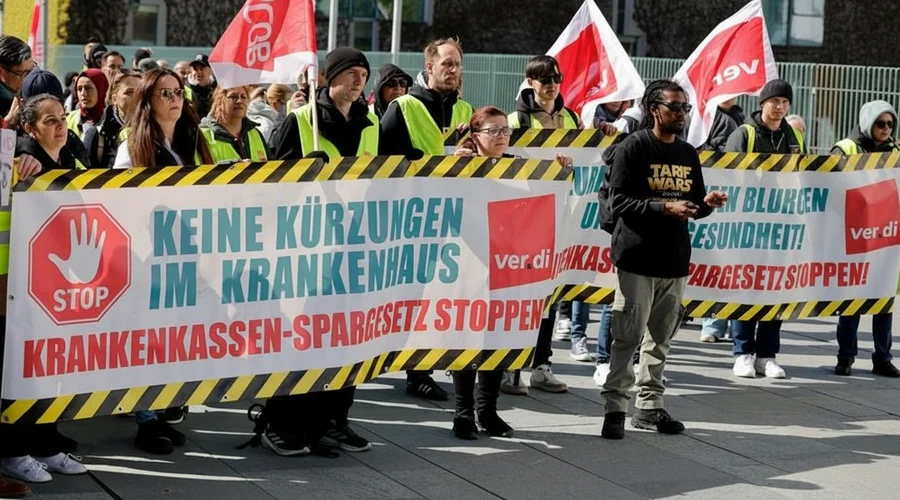
The legislative process leading to the reform's approval has been characterized by significant public debate and opposition. Reports indicate that protests are anticipated following the Bundestag's decision, reflecting the deep-seated concerns among segments of the population. These protests are likely to be driven by fears that cost-cutting measures could lead to reduced services, longer waiting times, or an overall decline in the quality of care. Medical associations have often highlighted the potential strain on hospitals and clinics, while patient groups worry about increased out-of-pocket expenses or limitations on treatment options. The government faces the challenge of implementing these reforms while simultaneously addressing public anxieties and demonstrating that the changes will ultimately benefit the healthcare system and its users.
Political Landscape and International Context
The passage of this reform also reflects the complex political dynamics within Germany. Governing coalitions often navigate difficult compromises to pass significant legislation, especially those impacting public services as fundamental as healthcare. The political parties involved in the reform's approval will now likely focus on communicating the benefits of the new measures and mitigating public backlash. Internationally, Germany's approach to healthcare reform is being observed by other countries grappling with similar fiscal challenges in their own health systems. The outcomes of these reforms, both in terms of financial sustainability and public satisfaction, could offer valuable insights for global healthcare policy discussions.
Broader Implications for German Society
Beyond the immediate financial implications, the healthcare reform has broader societal ramifications. Access to quality healthcare is a cornerstone of social welfare in Germany, and any significant alteration to the system can impact public trust and social cohesion. The government's ability to effectively manage the transition and demonstrate the long-term advantages of the reform will be crucial. This includes transparent communication about how the changes will be implemented, what safeguards are in place for vulnerable populations, and how the system will continue to evolve to meet future health challenges. The success of this reform will ultimately be measured not just by its financial impact, but also by its ability to maintain or improve the health outcomes and satisfaction of the German populace.
Foreign Minister's Diplomatic Engagement
In a separate but concurrent development, Foreign Minister Johann Wadephul is scheduled to meet with his Slovenian counterpart in Berlin. While unrelated to the healthcare reform, this meeting underscores Germany's active role in international diplomacy and its ongoing engagement with European partners. Such diplomatic exchanges are routine, serving to strengthen bilateral relations, discuss regional issues, and coordinate positions on broader international matters. These meetings are vital for maintaining stable international relations and addressing shared challenges, from economic cooperation to security concerns. The timing of this meeting alongside significant domestic legislative action highlights the multifaceted responsibilities of the German government, balancing internal reforms with external diplomatic imperatives.
Source: Original Article