The Shifting Landscape of German Football Identity
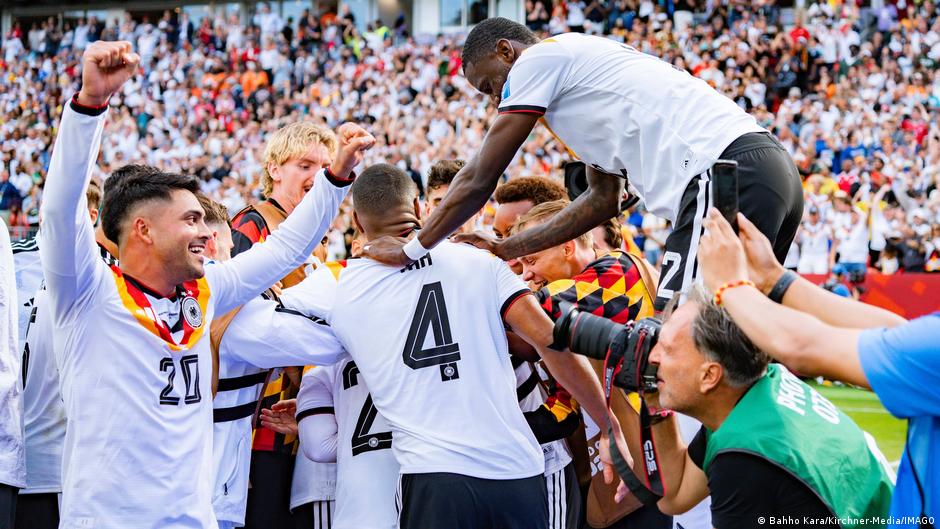
As Germany prepares for the 2026 World Cup, a notable characteristic of its national football squad has emerged: a strong representation of players with African heritage. This diversity, while not explicitly highlighted by the German Football Association (DFB), has become a significant talking point, reflecting broader societal changes within Germany.
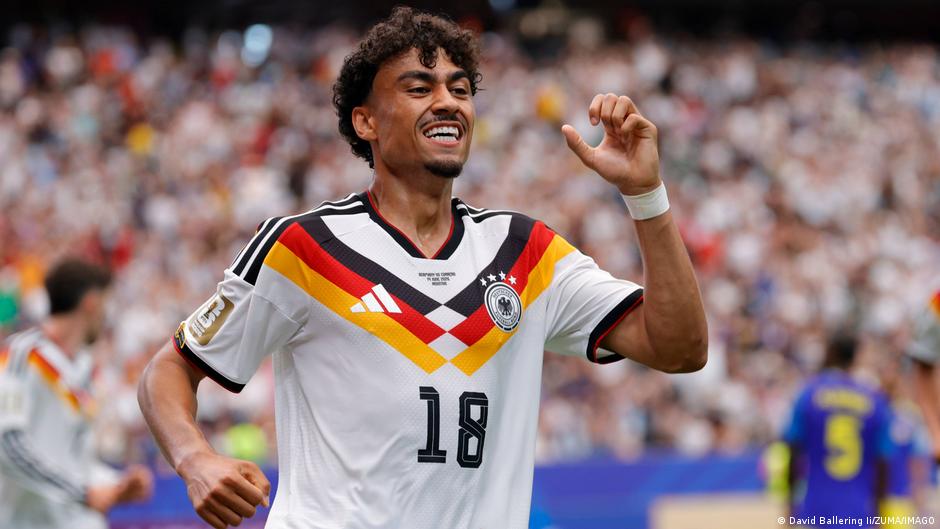
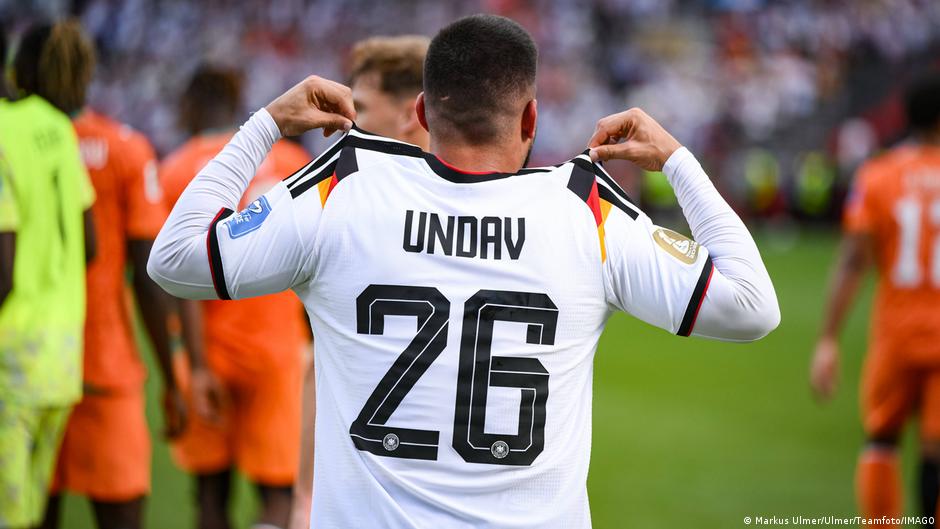
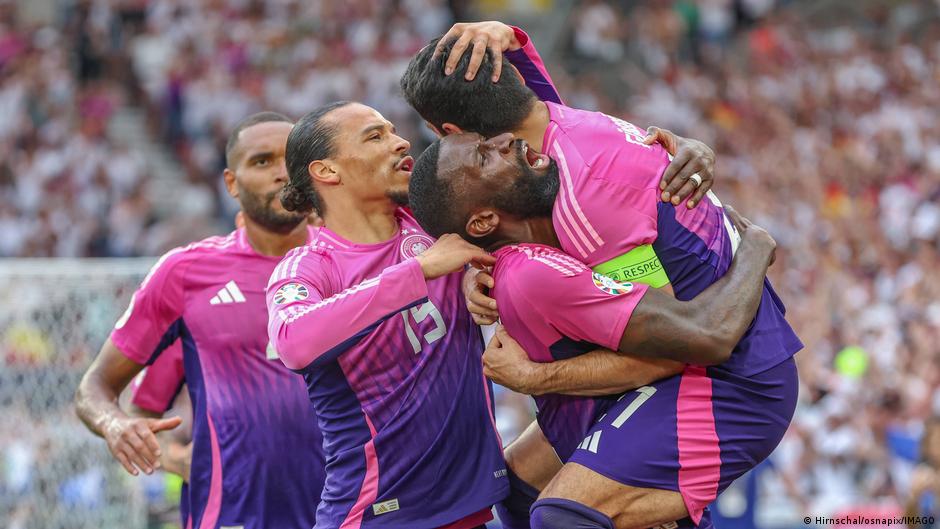
While much of the initial media attention surrounding the squad focused on the return of veteran goalkeeper Manuel Neuer, a deeper look reveals a compelling narrative. Eight of the 26 players selected for the tournament possess roots in various African nations. These include prominent figures like Jonathan Tah, whose father is Ivorian; Antonio Rüdiger, with a Sierra Leonean mother; and Leroy Sane, whose father hails from Senegal. Others such as Felix Nmecha and Jamal Musiala have Nigerian fathers, Assan Ouedraogo's parents are from Burkina Faso, Malick Thiaw has a Senegalese father, and Jamie Leweling's father is Ghanaian. This trend is not new; over the past year, as many as 17 players with African backgrounds have been called up to the national team, underscoring a consistent pattern in squad selection.
Diversity as a National Strength
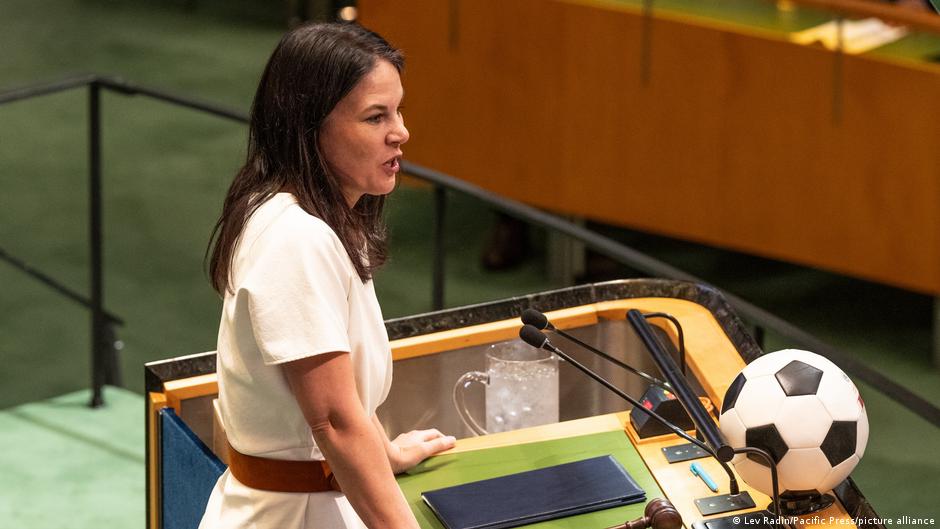
Annalena Baerbock, President of the UN General Assembly, commented on this development, stating, "Today we have great diversity in the team, which symbolizes a new generation of German players." She acknowledged that this was not always the case, emphasizing that the team's composition highlights the importance of anti-racism initiatives. Baerbock views the national team as a direct reflection of society, suggesting that its evolving makeup mirrors Germany's own demographic shifts and increasing multiculturalism.
Musa Okwonga, a Ugandan-British author and football podcaster based in Berlin, believes the timing of this diverse representation is particularly crucial. He points out that with far-right political sentiments gaining traction in Germany, the visibility of successful non-white individuals in a revered national institution like the football team sends a powerful message. "I think it's really important at this point in time, when a quarter of immigrants who arrived in Germany are thinking about leaving again, to show there are people here who are thriving within this country, who are not white, who have a heritage from elsewhere, who grew up here, who moved here, and made Germany their home," Okwonga explained.
DFB's Stance and Player Connections to Heritage
While the DFB may not overtly promote the team's diversity, it acknowledges its value. Andreas Rettig, a DFB Director, noted that the association prioritizes players' commitment to the German team. He cited Jonathan Tah's early dedication as an example that left a positive impression. Rettig also highlighted the broader advantages of diverse teams, drawing parallels with the business world where mixed groups—whether by gender, nationality, age, or background—often lead to superior outcomes. "We know it from the economy, mixed teams with men and women or different nationalities, young or old, is always advantageous to the end product so we are happy to have this diversity in the team," he added.
Many of these players actively engage with their ancestral roots. Jonathan Tah, for instance, visited Ivory Coast for the first time since childhood in early 2025, describing the experience as "extremely grounding." Similarly, Antonio Rüdiger has established a foundation in Sierra Leone. Okwonga observes that these journeys back to their countries of origin can be complex and emotionally charged, especially given Germany's colonial history in several African nations. However, he stresses the symbolic importance of these footballers proudly embracing both their heritage and their German identity, offering a powerful example of integration.
Beyond the Pitch: Societal Impact and Challenges
The influence of the national football team extends beyond sporting achievements, acting as a cultural and social barometer. Ahead of Euro 2024, Germany's head coach Julian Nagelsmann publicly criticized a survey that indicated some Germans desired more white players on the national team. Nagelsmann firmly stated that a football team should be a role model for uniting diverse cultures, religions, and skin colors, emphasizing that merit, not background, determines selection. His strong stance underscored the team's symbolic value in broader societal discussions.
Okwonga, reflecting on the German team's performance at past tournaments, praised their cohesive play and mutual support, seeing it as an ideal model for a collective. He also pointed to the positive impact of figures like Vincent Kompany, who, as head coach of Bayern Munich, has further influenced perceptions of players with African roots in German football.
Despite progress since Gerald Asamoah became the first African-born German to play in a World Cup in 2006, challenges persist. Incidents such as the racist comments directed at two German youth internationals with African roots after missing penalties in 2023 demonstrate that systemic issues remain. While a football team's actions alone cannot solve deep-seated societal problems, their symbolism is undeniable. Okwonga argues that the diversity of the team primarily serves to model the possibility of friendship and cooperation across different groups, rather than to appease those who reject it. He asserts that if the team were to lose, it would be due to superior opposition, not a failure of its multi-ethnic composition.
The Potential for Broader Influence
While the German national team may not be considered favorites for the upcoming World Cup, a victory would undoubtedly spark national jubilation, reminiscent of the 2014 triumph or the "summer fairy tale" of 2006. However, Okwonga cautions against overstating the direct political leverage of such a victory in fostering progressive change. He believes that while success from a diverse team can act as a catalyst, it requires the right political context, which he suggests may not currently be present in Germany.
Regardless of the immediate political impact, the diverse heritage of the German national football team stands as a significant and evolving aspect of the nation's identity, deserving of recognition and appreciation.
Source: Germany's 2026 World Cup squad built on African roots