Germany's World Cup Journey Hits a Snag
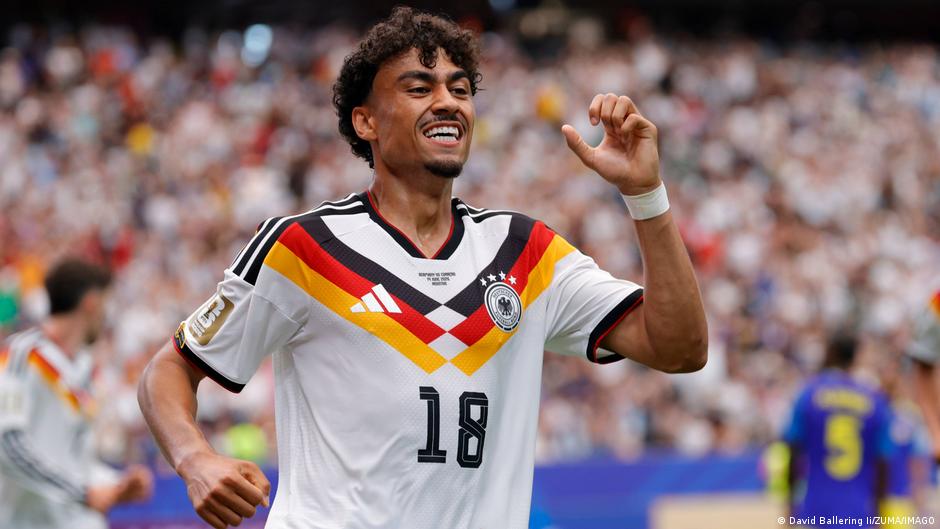
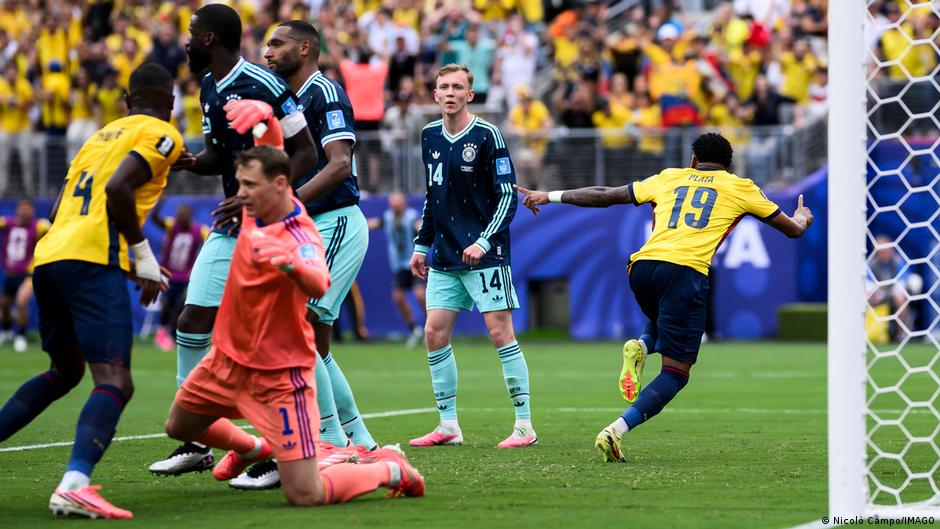
Germany, a nation with a rich footballing history, experienced an unexpected setback in the 2026 World Cup group stage, succumbing to a 2-1 defeat against Ecuador. Although the German squad had already cemented their place in the knockout rounds, the performance in East Rutherford has ignited discussions about the team's readiness and potential vulnerabilities as the competition intensifies.
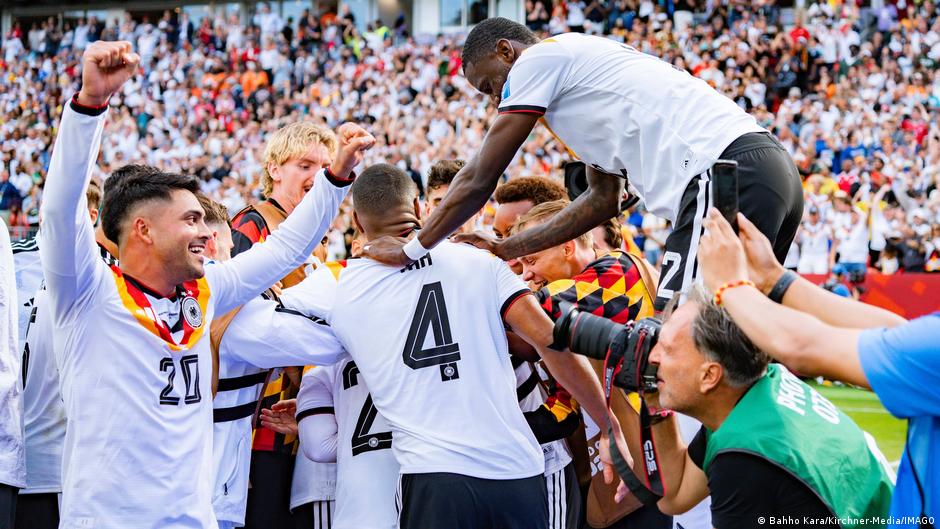
The match began promisingly for Germany, with an early goal suggesting a continuation of their strong group stage run. However, the initial momentum quickly dissipated, allowing Ecuador to mount a comeback that ultimately secured their own progression to the next phase of the tournament. The final whistle left many questioning the German side's collective focus and ability to maintain control under pressure.
Captain Kimmich's Assessment and Team Discrepancies
Following the match, Germany's captain, Joshua Kimmich, offered a candid assessment, attributing the team's struggles to unforced errors. "We keep inviting the opponent to attack by turning the ball over, which makes them stronger," Kimmich stated on MagentaTV. He emphasized the urgency for improvement, adding, "Fortunately, this doesn't change much. But we can't afford any more losses. That much is clear. We can't let in one or two goals every game. We have to minimize the number of turnovers, and then we can beat anyone."
However, the mood at the stadium after the game suggested a deeper concern than just a single loss. What had been perceived as a team exceeding expectations, riding a wave of positive results, now appeared to be a side that had lost its rhythm. The popular fan chant, "The train has no brakes," seemed ironically out of place as the team's performance suggested a sudden halt, if not a complete derailment.
Adding to the post-match discourse were conflicting views on the team's desire. Kimmich suggested, "The difference today was that the opponent wanted to win more than us." This sentiment was directly contradicted by coach Julian Nagelsmann, who dismissed it as "nonsense," indicating a potential disconnect in the team's self-perception.
Individual Struggles and Tactical Shifts
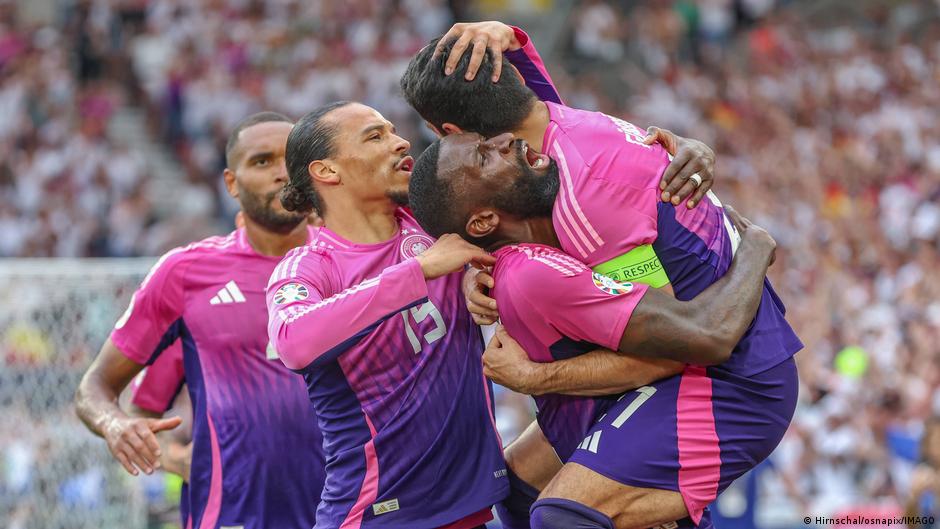
Several German players faced a challenging evening. David Raum, stepping in for the injured Nathaniel Brown, had a forgettable outing. Antonio Rüdiger, replacing Nico Schlotterbeck, started slowly before showing some improvement. Even Felix Nmecha, a standout performer in previous matches, struggled to make an impact. Aleksandar Pavlovic's performance was cut short by a booking and subsequent substitution, while Leroy Sane, despite scoring Germany's opener, saw his individual efforts overshadowed by the team's overall disappointment.
The match was also marred by controversial officiating decisions, including a German goal that arguably should not have stood due to an uncalled foul in the buildup, and a missed penalty call for Germany. These incidents, while not solely responsible for the outcome, contributed to a sense of frustration within the German camp.
Tactical adjustments were visible throughout the game. Nagelsmann introduced a raft of changes, including bringing in Malick Thiaw for Kimmich at right-back, shifting to a back three. Despite these efforts, the team struggled to find cohesion. Deniz Undav, a forward who had previously made impactful substitute appearances, was unable to replicate his heroics, despite the crowd's calls for his introduction.
Ecuador's Triumph and Germany's Path Forward
Ecuador's victory was a moment of pure jubilation for their fans. Gonzalo Plata's decisive goal, an opportunistic poke past Manuel Neuer, sealed their qualification for the knockout rounds. The scenes at full time were dominated by a sea of yellow, celebrating an historic win against a footballing giant. Ecuador's efficiency was notable, scoring two goals from just three shots on target.
For Germany, the loss has opened a Pandora's Box of questions. Doubts are emerging about the decision to recall Neuer, the overall quality of the current squad compared to initial expectations, and the potential challenges posed by upcoming opponents like Paraguay or Australia. Coach Nagelsmann, however, called for patience. "The most important lesson we can take is patience," he remarked. "When you start so well, we have to focus more on patience. If we get the lead we have to be more calm in certain situations."
As Germany prepares for the knockout stages, the coming matches will reveal whether this defeat served as a crucial wake-up call or exposed deeper issues within the team. The focus will be on how the squad and coaching staff address the deficiencies highlighted by this unexpected loss and whether they can regain the composure and form necessary to contend for the World Cup title.
Source: Original Article