Germany's Recurring World Cup Disappointments
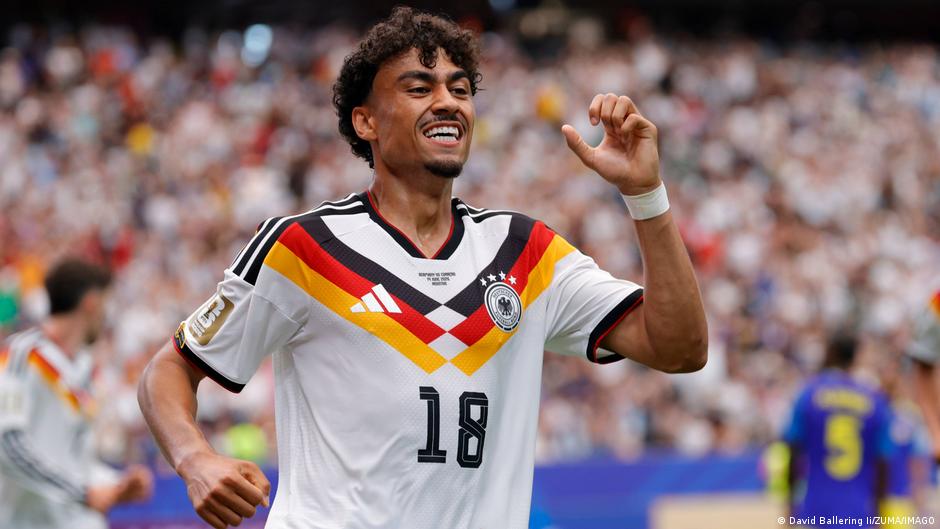
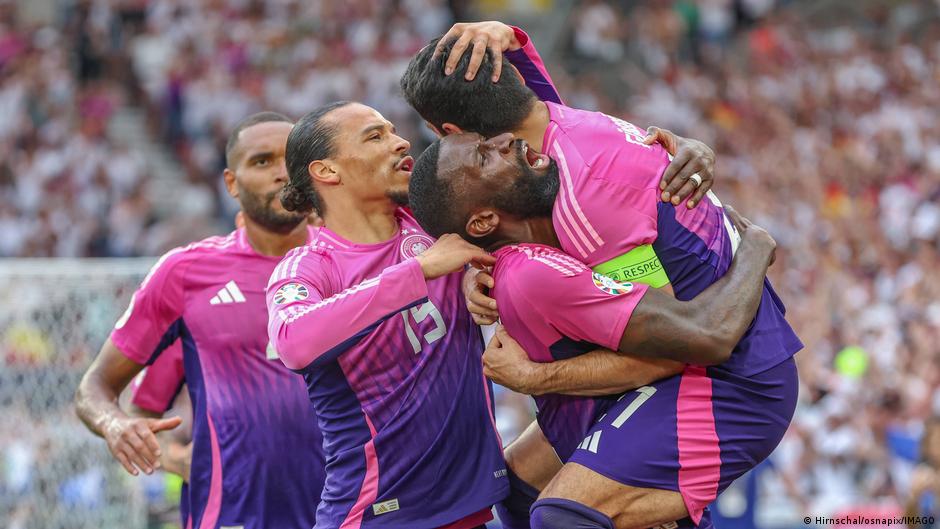
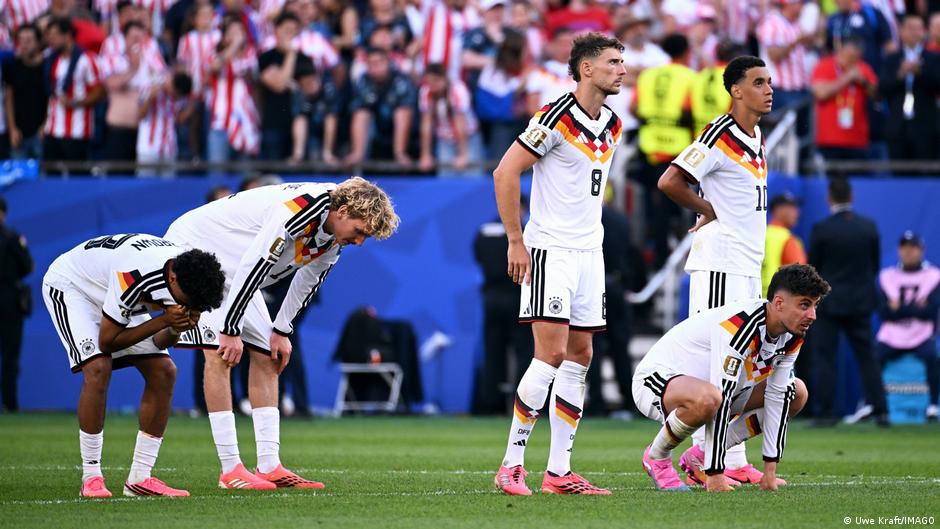
For the third consecutive FIFA World Cup tournament, the German national football team has been eliminated before reaching the round of 16. This latest early departure from the 2026 World Cup follows a 4-3 penalty shootout loss to Paraguay in the round of 32, after the match concluded with a 1-1 draw following extra time. The defeat has generated considerable discussion within Germany, with many expressing frustration over the team's inability to perform against what some have termed a 'limited opponent.'
Key Factors Contributing to the Early Exit
Several elements appear to have contributed to Germany's premature departure from the tournament. A significant concern was the underwhelming performance of several key players. Captain Joshua Kimmich, for instance, did not meet expectations, while Florian Wirtz seemed to carry his inconsistent club form into the international arena. Jamal Musiala, returning from a prolonged injury, struggled to regain his customary sharpness. Collectively, the team displayed defensive vulnerabilities throughout the competition, conceding in every match and often failing to convert promising attacking movements into decisive results, except in their game against Curacao.
Injuries also played a role in disrupting the team's preparations and on-field cohesion. The loss of Serge Gnabry before the tournament was a setback, compounded by Lennart Karl's significant injury in Chicago just days prior to the start, which curtailed the promising Bayern teenager's potential impact. Perhaps the most substantial blow was the long-term injury to Nico Schlotterbeck during the match against Ivory Coast. The Borussia Dortmund defender was integral to Germany's build-up play, a facet that coach Julian Nagelsmann later described as 'too slow' against Paraguay.
Nagelsmann's Tactical Decisions Under Scrutiny
Coach Julian Nagelsmann's decisions have also come under close examination. His choice to recall 40-year-old Manuel Neuer, despite a penalty save against Paraguay, did not ultimately prove to be the decisive factor he might have anticipated. Furthermore, Nagelsmann's substitutions during the tournament suggested a coach still experimenting with his optimal lineup. Against Ecuador, even with the group already secured, his changes reportedly disrupted the team's rhythm and momentum heading into the knockout stages. While this German squad was not widely considered a strong contender, Nagelsmann appeared to struggle in maximizing the potential of his players.
Moments of Positivity Amidst Disappointment
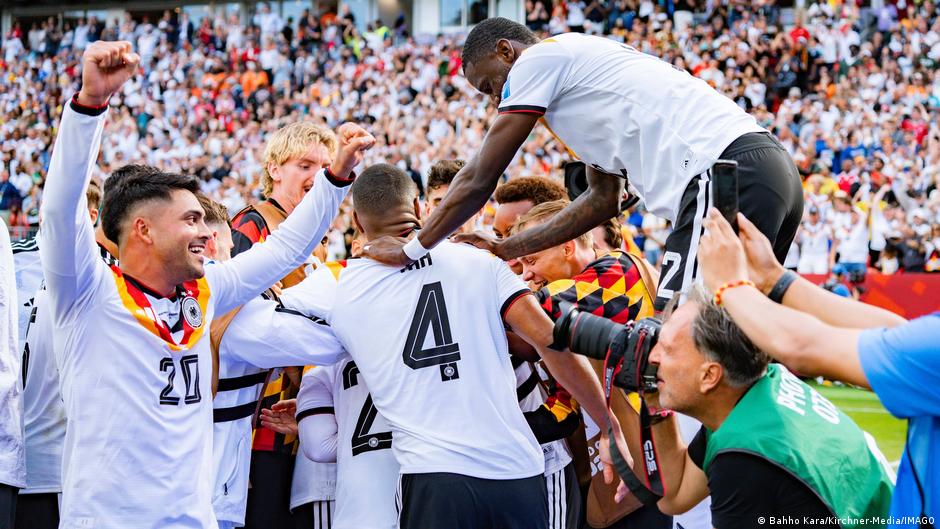
Despite the overall disappointing outcome, there were some positive aspects to Germany's campaign. Deniz Undav delivered notable performances off the bench, including a crucial last-minute winning goal against Ivory Coast in Toronto. Nathaniel Brown, Nadiem Amiri, and Jonathan Tah generally had commendable tournaments. From a coaching perspective, Nagelsmann's adjustments during the hydration break in Houston and his in-game changes in Toronto were credited with turning the tide in specific matches. Additionally, the team's training facilities at Wake Forest University were reportedly excellent and not a factor in their early exit.
The Future of the Coaching Position
The immediate question following the exit concerns Nagelsmann's future with the national team. While the team's performance places him under considerable pressure, historical precedent suggests he might retain his position, potentially for Euro 2028, as both Hansi Flick and Joachim Löw remained in their roles longer than many anticipated after similar disappointments. Nagelsmann has publicly stated his commitment: "I'm here to work and if the DFB [German Football Association] decide otherwise then they should tell me. I'm not the type of person who runs away."
Should the DFB choose to retain Nagelsmann, he will face the challenge of rebuilding trust with the fan base, particularly given past communication issues regarding player roles and selections. Conversely, dismissing him would incur significant financial costs due to his contract extension in January 2025. This financial strain, combined with another early World Cup exit, would add to the DFB's fiscal challenges, which are still recovering from previous tournament disappointments.
Speculation regarding a successor has, predictably, included Jürgen Klopp. However, the former Borussia Dortmund and Liverpool coach, currently working with Red Bull, has dismissed such rumors. Klopp, who had previously commented on Nagelsmann's team selections as a pundit, stated, "I understand that my name is being mentioned, but this is not the moment to talk about it – and especially not with me."
Player Retirements and the Road Ahead
The recent World Cup exit is likely to mark the end of several players' international careers. Manuel Neuer, at 40, confirmed his retirement from the national team following the Paraguay match. Oliver Baumann, 36, who was expected to be Germany's primary goalkeeper, is also unlikely to feature again. While captain Joshua Kimmich, 31, has faced a challenging period in his international career, he has indicated his desire to continue, stating, "I will always have the energy for a fresh start. What I will never do is give up!" Other players such as Antonio Rüdiger (33), Leon Goretzka (31), Leroy Sane (30), and Pascal Gross (35) are also expected to conclude their national team tenures. Germany's next fixture, a Nations League match against the Netherlands in late September, will signal the beginning of a new era for the squad.
Source: Original Article