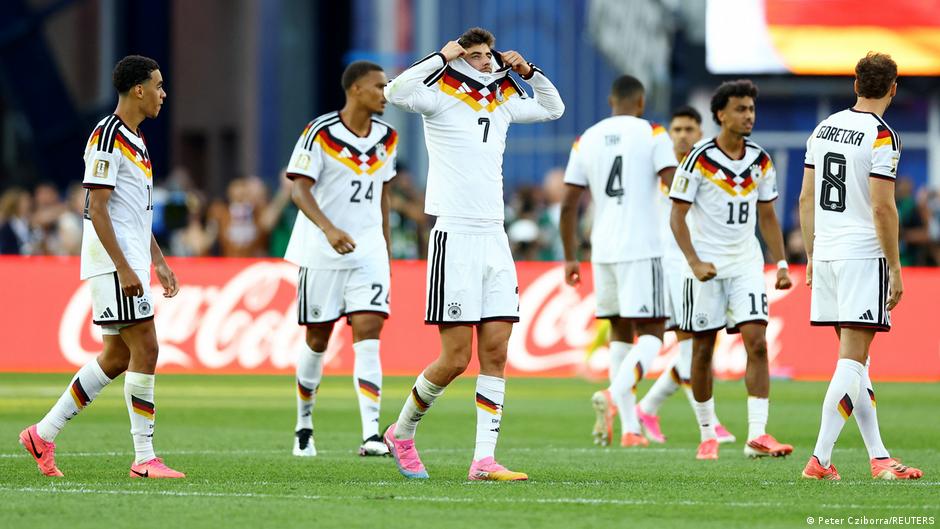
Germany's World Cup Hopes Dashed in Boston
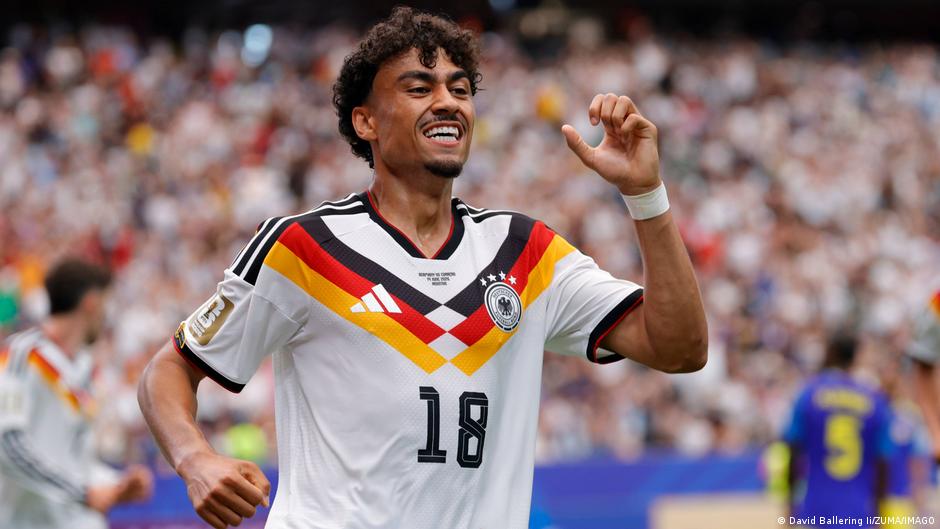
Germany's campaign in the 2026 World Cup came to an end in a dramatic fashion, losing to Paraguay on penalties in the first knockout stage in Boston. This exit marks another period of introspection for German football, following similar disappointments in previous tournaments. Despite advancing past the group stage, unlike their exits in Qatar and Russia, the sting of this elimination in the USA, Canada, and Mexico is palpable.
For the first time in their storied history, Germany succumbed to defeat in a World Cup match via a penalty shootout. This outcome follows a pattern seen earlier in the tournament, where Germany appeared to cede control to their opponents rather than dictating the pace of play. This marks the third consecutive World Cup where the German national team has fallen short of expectations.
Kai Havertz, who was one of the German players to miss a penalty in the shootout, expressed his remorse following the match. "The only thing I can say is I'm sorry. To disappoint again is not a nice feeling," Havertz told public broadcaster ZDF. He added, "We tried to [attack via] the flanks, but unfortunately it didn't really work out. And I don't think we deserved to win this time."
Despite the disappointment, German Chancellor Friedrich Merz acknowledged the team's effort on social media, stating, "Even though the elimination hurts: What a game. With your dedication and team spirit at this World Cup, you've inspired our country. We're proud of you." The team's diversity and spirit have indeed been highlighted, yet a crucial inspirational performance eluded them when it mattered most. The focus now shifts to the future of head coach Julian Nagelsmann.
Tactical Struggles and Missed Opportunities
Prior to the match, Germany's head coach, Julian Nagelsmann, emphasized the need for his team to adopt a "scumbag mentality" to progress. However, this tenacity was largely absent from Germany's play. The team often appeared hesitant and indecisive, particularly in critical moments. Despite rallying from a goal down in normal time and seeing Paraguay miss a potential winning penalty twice, Germany ultimately failed to secure victory.
The momentum lost following their defeat to Ecuador in New York New Jersey Stadium seemed to linger over the team in Boston. Even with Deniz Undav in the starting lineup, Nagelsmann's side looked ponderous. Early in the first half, Germany had completed significantly more passes than Paraguay, yet struggled to break down their opponents. Paraguay, conversely, capitalized on their first significant offensive opportunity. A recycled corner led to a header from the relatively short Julio Enciso, who, unmarked, found the back of the net. This moment not only exposed vulnerabilities in Germany's defense but also underscored the lack of potency in their attack.
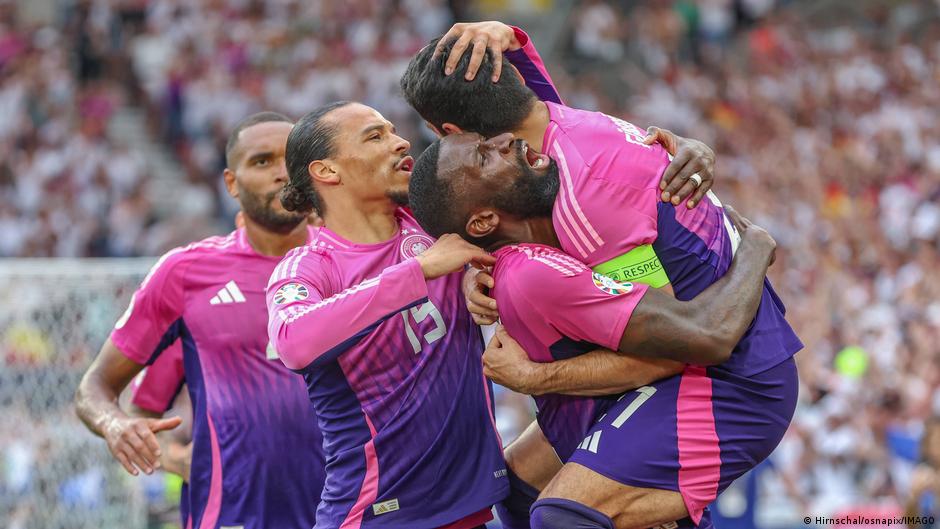
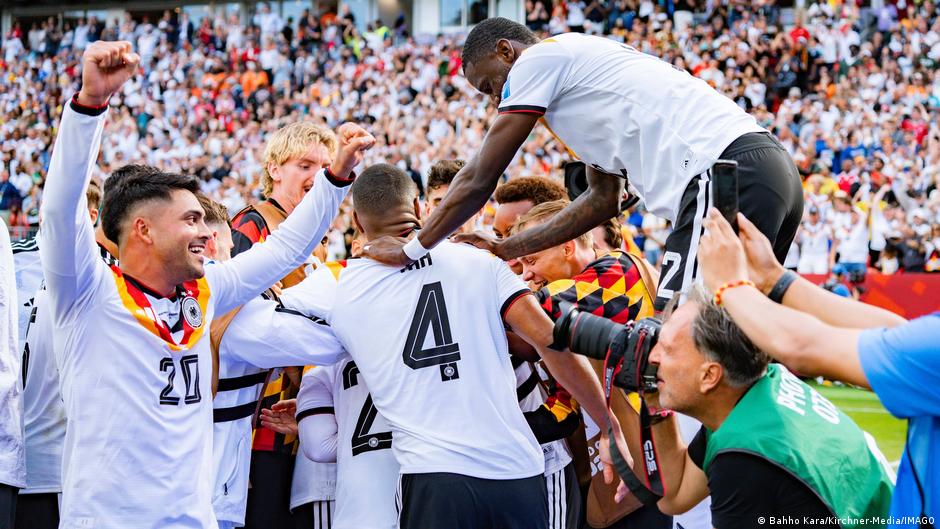
Germany continued to press, but without finding effective solutions. For the third consecutive match in the tournament, the team required a catalyst to ignite their performance. This time, a tactical adjustment involving more crosses led to the equalizer. Kai Havertz's glancing header brought Germany back into the game. Initially, this felt like a turning point, suggesting Germany might grind out a narrow 2-1 victory. However, echoing a recurring theme for Germany in recent World Cups, the equalizer proved to be a false dawn.
Similarly, Jonathan Tah's disallowed goal in extra time offered another fleeting moment of hope. The defender's header was ruled out due to a foul in the build-up, a decision Nagelsmann controversially labeled "scandalous." However, the coach also conceded that Germany should have decided the outcome of the game earlier.
Penalty Heartbreak and Future Implications
The match ultimately extended to a penalty shootout. When Kai Havertz and Nick Woltemade missed their spot-kicks, Germany's tournament appeared to be over. A glimmer of hope emerged when Antonio Sanabria fired wide, and Manuel Neuer made a crucial save against Fabian Balbuena, momentarily suggesting a miraculous escape. Yet, Jonathan Tah, participating in his first World Cup, sent his sudden-death penalty over the bar, and Jose Canale sealed Paraguay's victory on their third attempt. This defeat, characterized by a series of near misses and missed opportunities, felt like a slow, painful unraveling rather than a sudden end.
The aftermath of this 4-3 penalty shootout loss, following a 1-1 draw after extra time, will undoubtedly lead to significant scrutiny. Manuel Neuer's return to the team, while setting some records, ultimately offered little in terms of progress. Captain Joshua Kimmich's international career is increasingly marked by disappointments, and at 31, his presence at Euro 2028 is uncertain. Key players such as Antonio Rüdiger (33), Leon Goretzka (31), and Leroy Sane (30) are unlikely to be part of the national team's long-term future, signaling that substantial changes are on the horizon.
A critical question revolves around Julian Nagelsmann's position as head coach. His contract, surprisingly extended in early 2025, runs until 2028. Nagelsmann addressed his future post-match, stating, "I'm here to work and if the DFB decides otherwise then they should tell me. I'm not the type of person who runs away." Nevertheless, this Germany team is exiting the World Cup, reinforcing the perception that the nation's footballing elite status is diminishing. Another comprehensive analysis of the state of German football is inevitable, with a renewed focus on restoring the nation to the pinnacle of the sport.
Source: Original Article