
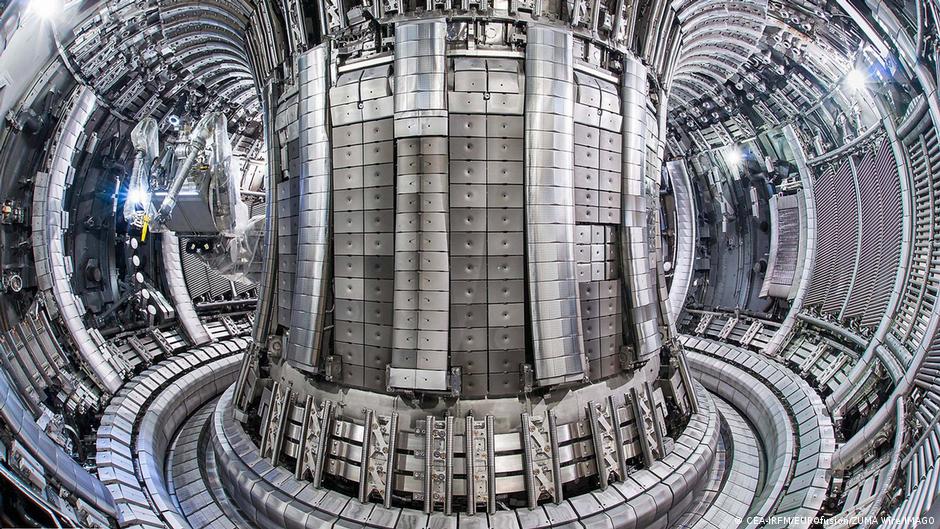
The Promise of Fusion Energy
The quest for a sustainable and virtually limitless energy source has long captivated scientists and engineers worldwide. Among the most promising avenues is nuclear fusion, a process that powers the sun and stars. Unlike nuclear fission, which involves splitting atoms, fusion combines light atomic nuclei to release immense amounts of energy. This process offers several compelling advantages: it produces no long-lived radioactive waste, carries a significantly lower risk of accidents compared to fission, and utilizes abundant fuels like hydrogen isotopes derived from water. The realization of a commercially viable fusion reactor could fundamentally reshape the global energy landscape, providing a clean, safe, and abundant power supply that addresses critical environmental and energy security concerns.
For decades, fusion research has been primarily a domain of large-scale public projects, characterized by extensive international collaboration and significant government funding. However, in recent years, the landscape has begun to shift dramatically. Private companies and startups are increasingly entering the fray, driven by advancements in technology, innovative approaches to reactor design, and a growing influx of venture capital. This commercialization trend is injecting new dynamism and a sense of urgency into the field, fostering a competitive environment aimed at accelerating the timeline for practical fusion energy.
Global Competition Intensifies
The race to construct the first operational and economically viable nuclear fusion power plant is intensifying on a global scale. Numerous entities, ranging from established energy giants to nimble startups, are dedicating substantial resources to overcome the monumental scientific and engineering challenges involved. Countries like the United States, the United Kingdom, and China are home to a burgeoning ecosystem of fusion energy companies, each pursuing distinct technological pathways. These approaches often involve different methods for heating and confining plasma—the superheated, ionized gas where fusion reactions occur—such as magnetic confinement (exemplified by tokamaks and stellarators) and inertial confinement (using high-powered lasers).
The sheer number of private companies now engaged in fusion research is a testament to the growing confidence in the technology's potential. Investment in this sector has soared, with billions of dollars pouring in from private investors, venture capitalists, and even sovereign wealth funds. This financial backing is crucial for funding the extensive research and development, construction of experimental facilities, and recruitment of top scientific talent required for such an ambitious undertaking. The competitive nature of this environment is seen by many as a positive force, driving innovation and potentially shortening the timeline for achieving net energy gain from fusion reactors.
Germany's Emergence in the Fusion Landscape
Within this global competition, Germany is emerging as a significant player, particularly through its innovative startup scene. While Germany has a long history of contributing to public fusion research, notably through institutions like the Max Planck Institute for Plasma Physics, a new generation of private enterprises is now stepping up. These German startups are leveraging cutting-edge engineering expertise, often collaborating with universities and research institutes, to develop novel solutions for fusion energy.
Several factors contribute to Germany's growing presence in this field. The country possesses a strong industrial base, a highly skilled workforce, and a robust research infrastructure. Furthermore, there is increasing recognition among German policymakers and investors of the strategic importance of fusion energy for the nation's future energy security and climate goals. This has led to growing support, both financially and institutionally, for these nascent fusion companies.
Support from Corporations and Investors
The success and growth of German fusion startups are not solely dependent on their own innovation; they are significantly bolstered by support from major corporations and private investors. Established industrial companies are beginning to see the long-term potential of fusion technology and are exploring partnerships, offering expertise in manufacturing, materials science, and project management. This collaboration provides startups with access to resources and knowledge that would otherwise be difficult to acquire.
Private investment, both from domestic and international sources, is also playing a pivotal role. Venture capital firms, high-net-worth individuals, and even corporate venture arms are increasingly allocating funds to these high-risk, high-reward ventures. This financial injection enables startups to scale their operations, build prototypes, and attract top scientific and engineering talent. The involvement of such diverse stakeholders underscores the widespread belief that fusion energy, once a distant dream, is now moving closer to becoming a tangible reality, with German innovators poised to make significant contributions to this transformative endeavor.
Source: Original Article