Hamas's Strategic Shift in Gaza
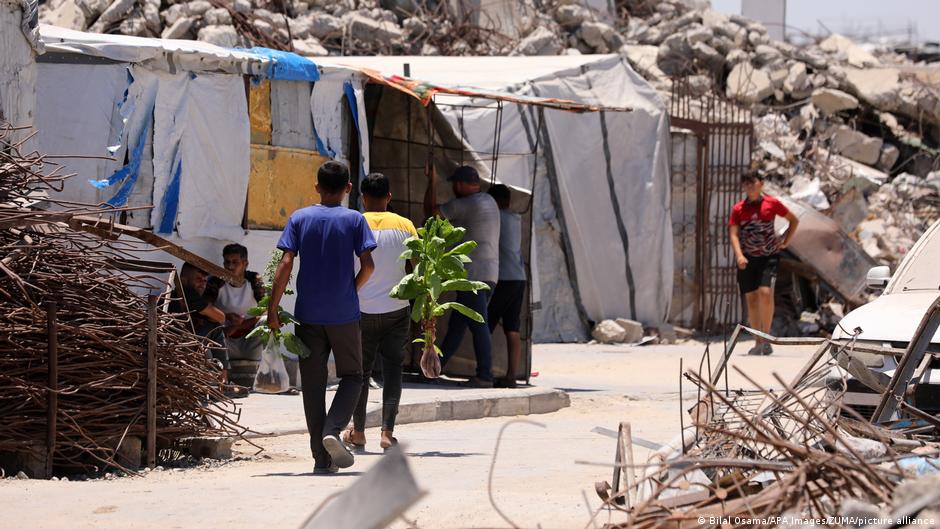
In a recent development, Hamas has declared its intention to relinquish its control over civil administration in the Gaza Strip. This move is perceived by many analysts as a potential catalyst for reviving peace initiatives in the region. However, significant hurdles remain, particularly regarding the disarmament of Hamas and the withdrawal of Israeli forces, both of which are crucial to any meaningful political progress.
Background and Context
Hamas has governed the Gaza Strip since 2007 after seizing control from the Palestinian Authority (PA). The governance of Gaza has been a long-standing issue, with Hamas and the PA often at odds. This latest announcement by Hamas could potentially pave the way for the PA to take a more active role in governing Gaza, thereby unifying Palestinian leadership under one authority.
The decision to dissolve the current government in Gaza is seen as an attempt by Hamas to ease tensions and possibly open up dialogue with Israel and the international community. However, it remains unclear whether this move will lead to substantial changes on the ground or if it is merely a strategic maneuver.
Challenges to Overcome
One of the primary obstacles to progress is the issue of disarmament. Israel and other international actors have consistently called for Hamas to disarm as a precondition for engaging in peace talks. Nevertheless, Hamas has shown little inclination to give up its weapons, which it considers essential for its defense and resistance strategy against Israel.
Furthermore, the presence of Israeli forces and the blockade of Gaza continue to be major points of contention. For any political transition to be successful, these issues would need to be addressed. Without a resolution, the status quo is likely to persist, with little hope for substantial progress in the peace process.
Potential Outcomes
Observers remain cautiously optimistic that Hamas's latest move could lead to an incremental improvement in the political situation. If managed effectively, it might result in a more unified Palestinian governance structure, which could, in theory, facilitate more effective negotiations with Israel.
However, skepticism remains high. Critics argue that without concrete steps towards disarmament and an Israeli withdrawal, the dissolution of the Gaza government may not translate into tangible progress. The international community's response and the actions of regional stakeholders will likely play a significant role in determining the outcome of this initiative.
Conclusion
Hamas's decision to dissolve its government in Gaza is a significant step that could influence the dynamics of the Israeli-Palestinian conflict. While this move holds potential, the path to lasting peace remains fraught with challenges. The situation calls for careful diplomacy and a willingness from all parties involved to make necessary compromises.
Source: Original Article