Background to the Nord Stream Incidents
The Nord Stream 1 and Nord Stream 2 natural gas pipelines, critical infrastructure connecting Russia to Germany under the Baltic Sea, experienced significant damage in September 2022. Multiple explosions led to four leaks, releasing substantial amounts of methane into the atmosphere and rendering the pipelines inoperable. These incidents immediately sparked widespread international concern and initiated numerous investigations by affected nations, including Germany, Sweden, and Denmark, into potential sabotage.
Initially, various theories emerged regarding the perpetrators, with speculation ranging from state actors to non-state groups. The geopolitical context, marked by heightened tensions following Russia's full-scale invasion of Ukraine, fueled an environment of suspicion and attribution. The pipelines, particularly Nord Stream 2, had been a focal point of debate and sanctions even before the explosions, symbolizing Europe's energy dependence on Russia.
German Investigations Point to Ukrainian Connection
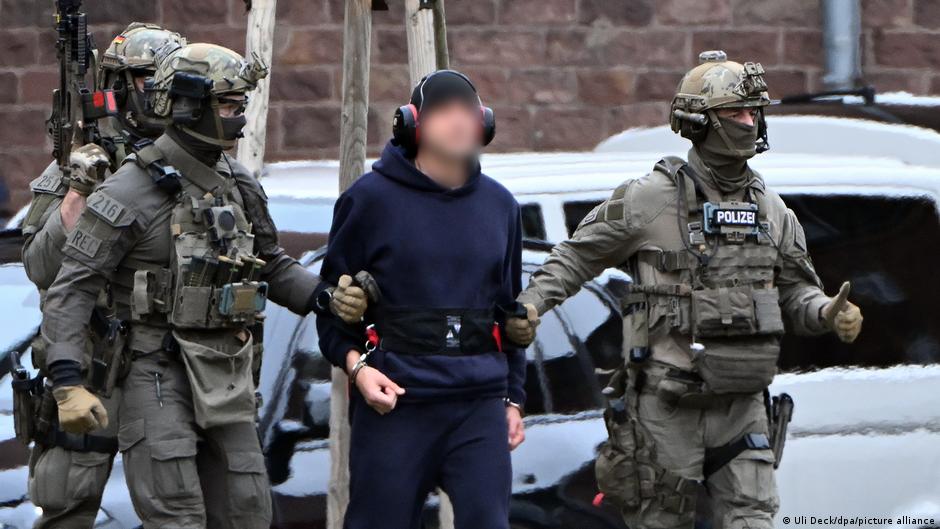
Recent developments in the German investigation have brought a specific focus to Ukrainian involvement. German prosecutors have formally indicted a former Ukrainian soldier in connection with the blasts. This individual is alleged to have acted on behalf of entities within Ukraine, suggesting a potential link between the Ukrainian state or state-affiliated groups and the Nord Stream sabotage. The specifics of the evidence leading to this indictment have not been fully disclosed, but the formal legal action indicates a significant advancement in the German inquiry.
The German Public Prosecutor General's office has been leading a comprehensive investigation, examining forensic evidence from the blast sites, analyzing maritime traffic data, and interviewing potential witnesses. The indictment of a specific individual marks a pivotal moment, moving the investigation from broad speculation to concrete legal accusations. This development has naturally prompted strong reactions and renewed scrutiny of Ukraine's possible role.
Ukraine's Official Position and Counter-Proposal
In response to the German indictments and the ongoing investigation, Ukraine has consistently denied any involvement in the Nord Stream pipeline explosions. Ukraine's Prosecutor General, Andriy Kostin, recently reiterated this stance, emphasizing that Ukraine had no role in the incidents. Furthermore, Kostin has put forward a formal proposal to Germany: the establishment of a joint investigative team. This offer signifies Ukraine's stated commitment to transparency and cooperation in clarifying the circumstances surrounding the blasts.
The proposal for a joint investigative team is a significant diplomatic and legal move. It suggests Ukraine's willingness to share information, provide access to evidence, and collaborate directly with German authorities to ascertain the truth. Such a team would likely involve prosecutors, law enforcement officials, and forensic experts from both nations, working together under a unified framework. The formation of a joint team could facilitate a more comprehensive and mutually accepted understanding of the events, potentially addressing concerns about bias or incomplete information from independent national investigations.
Implications of a Joint Investigation
Should Germany accept Ukraine's proposal, a joint investigative team could have several important implications. From a legal perspective, it could streamline the collection and exchange of evidence, potentially leading to a more robust prosecution if guilt is established. From a diplomatic standpoint, it could help alleviate tensions and foster greater trust between the two nations, particularly given the sensitive nature of the accusations.
However, challenges would also exist. Coordinating investigations between two sovereign nations, especially on a matter of such high geopolitical sensitivity, can be complex. Issues of jurisdiction, evidence admissibility, and the protection of classified information would need careful navigation. The outcome of such a joint probe would be closely watched by the international community, as it could impact perceptions of accountability for acts of sabotage against critical energy infrastructure.
Broader Geopolitical Context
The Nord Stream incidents occurred at a time of escalating energy crisis in Europe and ongoing conflict in Ukraine. The pipelines, once a symbol of energy cooperation, had become a point of contention, with some viewing them as a tool of Russian geopolitical leverage. The explosions removed a significant aspect of this energy dynamic, prompting Europe to accelerate its diversification away from Russian gas.
The investigation into the blasts, therefore, transcends a mere criminal inquiry; it is deeply intertwined with international relations, energy security, and the broader conflict in Eastern Europe. The findings of any investigation, whether unilateral or joint, will undoubtedly influence future policy decisions and diplomatic engagements across the continent. The ongoing pursuit of truth in this complex case remains a priority for all involved parties.
Source: Original Article