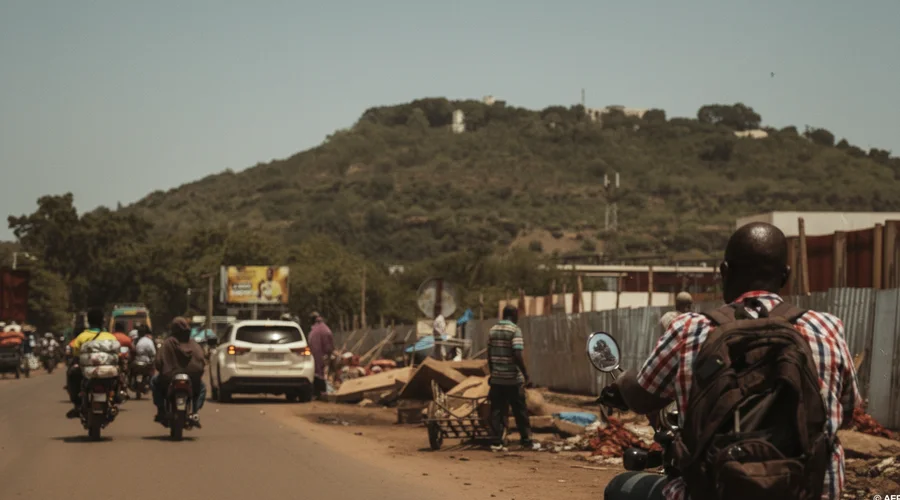
Escalating Conflict in Mali
In a concerning development, multiple towns across Mali experienced significant attacks on Saturday as Tuareg rebels and Islamist forces targeted military bases and a prison near Bamako. These assaults were orchestrated by the Tuareg separatist group FLA, which seeks to establish an independent Azawad state in northern Mali, along with JNIM, a group with aims to enforce strict Islamic rule.
The attacks come as Mali's leadership, which took control through coups in 2020 and 2021, faces mounting pressure to resolve a conflict that has persisted for over a decade.
Details of the Attacks
The military reported incidents in several strategic locations: Gao, a key city in the northeast; Aguelhoc and Anefis in the far north Kidal region; and Sevare, a central town known for its significant military base. Additionally, unrest occurred near the Kenioroba prison, situated approximately 60 kilometers southwest of the capital, Bamako.
Residents of Gao reported hearing gunfire and rocket launches near a military camp, while in Sevare, loud explosions were noted early in the day, followed by aircraft activity overhead. The FLA claimed its fighters had gained ground in Anefis, capturing military positions, although local reports indicated ongoing combat.
By afternoon, the military announced it had regained control, stating over 20 attackers were killed. However, rebel sources claimed that clashes were still ongoing in some areas. Social media posts depicted scenes of conflict, including the remains of fighters and destroyed motorcycles.
Persistent Threats from Rebel Groups
The recent attacks follow a significant offensive in April by the same groups, during which rebels captured Kidal and assassinated Defense Minister General Sadio Camara. The attack involved a coordinated assault, including a suicide car bomb targeting Camara's residence in Kati, a military town near Bamako, followed by gunfire.
JNIM has also been implicated in attacks on fuel transport to Bamako, leading to shortages in the capital. Although the FLA and JNIM have historically been at odds due to ideological differences, they have collaborated in recent joint attacks, further complicating the security landscape.
Challenges Facing Mali's Military Leadership
The ongoing violence raises concerns about the military junta's ability to maintain control over the country. Since the coups, Mali's leadership has shifted from French military assistance to Russian support, pledging to restore stability. However, analysts suggest the recent insurgent activities indicate increased coordination and boldness among the rebels.
Background on the Insurgency
Mali's conflict originated in 2012 when Tuareg rebels and jihadists seized significant northern territories. The Tuareg, a nomadic people inhabiting the Sahel region, have long sought autonomy due to perceived marginalization by the government in Bamako. Jihadist groups, affiliated with al-Qaeda and the Islamic State, have capitalized on the ensuing instability, establishing control across northern and central Mali.
The insurgency has since spread to neighboring countries such as Burkina Faso and Niger, which also have military governments and strong ties with Moscow.
Source: Original Article