Anticipation Builds for the 2026 FIFA World Cup
The global football community is keenly anticipating the 2026 FIFA World Cup, set to be co-hosted by Mexico, Canada, and the United States. Among the three host nations, Mexico has particularly captured attention, with early sentiments suggesting a strong positive reception for its role in the upcoming tournament. This enthusiasm stems from a combination of the country's rich footballing culture, its infrastructure, and the palpable excitement among its populace. The upcoming World Cup will mark a historic occasion, as it will be the first time the tournament is shared across three countries, presenting both unique opportunities and logistical challenges.
Mexico is no stranger to the pinnacle of international football, having previously hosted the World Cup in 1970 and 1986. These past events left an indelible mark on football history, featuring iconic moments and legendary players. The Estadio Azteca in Mexico City, for instance, holds the unique distinction of being the only stadium to have hosted two World Cup finals. This historical pedigree contributes significantly to the current optimism surrounding Mexico's hosting capabilities. The nation's deep-seated passion for football is evident in its vibrant domestic leagues, fervent fan bases, and numerous iconic stadiums, all of which are expected to contribute to an electrifying atmosphere during the tournament.
The Fan Experience: A Key Differentiator
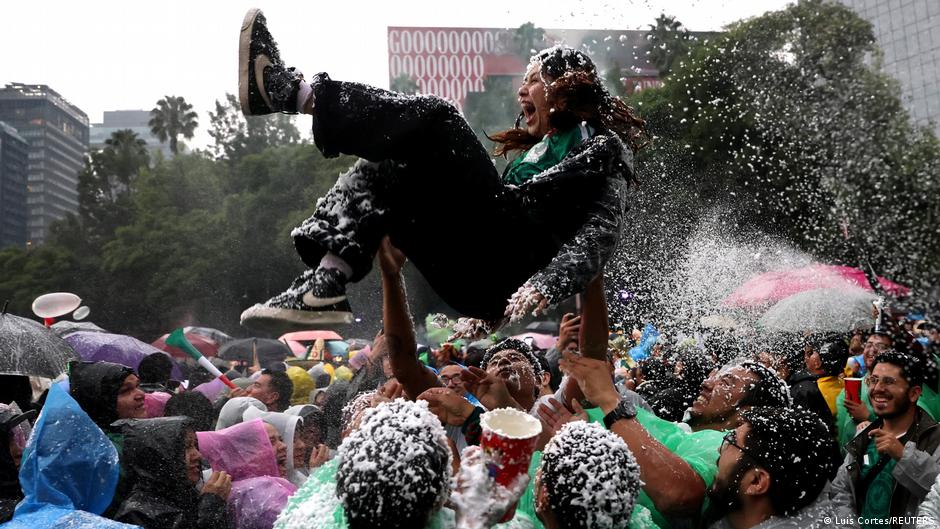
One of the recurring themes in early discussions about the 2026 World Cup is the exceptional fan experience that Mexico is poised to offer. Visitors and analysts have frequently highlighted the country's welcoming culture, lively street celebrations, and the infectious enthusiasm of its football supporters. This environment is often contrasted with other host locations, with some expressing a desire for more high-stakes matches, particularly in the knockout stages, to be allocated to Mexican venues. The atmosphere generated by Mexican fans is renowned globally, characterized by colorful displays, energetic chants, and a profound sense of national pride that permeates the stadiums and surrounding areas.
The cultural immersion available to international visitors is another significant draw. Beyond the football, Mexico offers a rich tapestry of history, cuisine, and art, providing an all-encompassing experience for those attending the matches. This blend of world-class sporting events and vibrant cultural exploration is seen as a major advantage, potentially enhancing the overall enjoyment for fans traveling from across the globe. The affordability of travel and accommodation in Mexico, compared to some other host nations, may also contribute to its appeal, making the World Cup more accessible to a broader range of supporters.
Infrastructure and Logistics: Ready for the Global Stage
While the cultural and atmospheric elements are crucial, the practicalities of hosting a global event like the World Cup are equally important. Mexico's preparations include upgrading existing stadiums and ensuring robust logistical frameworks are in place. The chosen host cities and their respective venues are undergoing necessary enhancements to meet FIFA's stringent requirements for capacity, safety, and modern amenities. This includes improvements in transportation networks, accommodation options, and security measures to ensure a smooth and enjoyable experience for both participants and spectators.
Despite being one of three co-hosts, Mexico's contribution is expected to be substantial. The allocation of matches across the three nations will be a complex process, but the early feedback regarding Mexico's readiness and the palpable excitement on the ground suggests it is well-prepared to handle its share of the tournament. The experience gained from previous World Cups, coupled with ongoing modernization efforts, positions Mexico as a highly competent and enthusiastic host. The nation's ability to manage large-scale events is well-established, and its commitment to delivering a memorable World Cup experience is evident.
Comparing Host Perspectives
The multi-nation hosting model for 2026 introduces an interesting dynamic, allowing for comparisons between the different host countries. While Canada and the United States also bring unique strengths to the table, Mexico's distinct footballing heritage and passionate fan base often emerge as focal points of discussion. Some commentators have expressed that the energy and traditional footballing culture found in Mexico might offer a more quintessential World Cup experience compared to some locations in the United States, where football, while growing, does not possess the same historical dominance in the sporting landscape.
"The passion for football in Mexico is unparalleled, and that translates directly into an incredible atmosphere for any major tournament. Fans are genuinely excited about the prospect of the World Cup returning, and their enthusiasm is contagious. It's a key factor in why many hope to see more significant matches played there." – An unnamed football analyst.
Ultimately, the success of the 2026 World Cup will depend on the collaborative efforts of all three host nations. However, Mexico's distinct advantages, particularly its deeply ingrained football culture and the anticipated vibrant fan experience, position it as a standout contributor to what promises to be a memorable global event. The nation's history with the tournament, combined with its current preparations, underscores its enduring appeal as a premier World Cup destination.
Source: Original Article